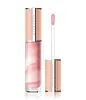
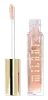
Givenchy Rose Perfecto Tinted Liquid Lip Balm Versus Milani Keep It Full Maxxx Balmshell Plumping Lip Balm
This barrier-repair lip moisturizer is formulated around Butyrospermum Parkii Butter and Ascorbyl Tetraisopalmitate to strengthen the lip barrier and hydrate lips.


What's inside
What's inside
 Key Ingredients
Benefits
Concerns
Ingredients Side-by-side
C10-30 Cholesterol/Lanosterol Esters
Emulsifying

Isononyl Isononanoate
EmollientPolyglyceryl-2 Triisostearate
Emulsifying
Hydrogenated Polyisobutene
EmollientPentaerythrityl Tetraisostearate
Emollient
Copernicia Cerifera Wax
Ethylene/Propylene/Styrene Copolymer
Glyceryl Behenate/Eicosadioate
Emollient
Ethylhexyl Palmitate
Emollient


Butyrospermum Parkii Butter
Skin Conditioning

Butyrospermum Parkii Butter Unsaponifiables
Skin Conditioning
Menthoxypropanediol
Masking
Parfum
Masking

Butylene/Ethylene/Styrene Copolymer
Diisostearyl Malate
EmollientAscorbyl Tetraisopalmitate
Antioxidant


Trimethylolpropane Triisostearate
Emollient
Pentaerythrityl Tetra-Di-T-Butyl Hydroxyhydrocinnamate
Antioxidant
Trihydroxystearin
Skin Conditioning
Schinus Terebinthifolia Seed Extract
AstringentTocopherol
Antioxidant



Sodium Hyaluronate
Humectant
Propyl Gallate
Antioxidant
CI 77499
Cosmetic ColorantCI 77891
Cosmetic ColorantCI 45410
Cosmetic ColorantCI 15850
Cosmetic ColorantC10-30 Cholesterol/Lanosterol Esters, Isononyl Isononanoate, Polyglyceryl-2 Triisostearate, Hydrogenated Polyisobutene, Pentaerythrityl Tetraisostearate, Copernicia Cerifera Wax, Ethylene/Propylene/Styrene Copolymer, Glyceryl Behenate/Eicosadioate, Ethylhexyl Palmitate, Butyrospermum Parkii Butter, Butyrospermum Parkii Butter Unsaponifiables, Menthoxypropanediol, Parfum, Butylene/Ethylene/Styrene Copolymer, Diisostearyl Malate, Ascorbyl Tetraisopalmitate, Trimethylolpropane Triisostearate, Pentaerythrityl Tetra-Di-T-Butyl Hydroxyhydrocinnamate, Trihydroxystearin, Schinus Terebinthifolia Seed Extract, Tocopherol, Sodium Hyaluronate, Propyl Gallate, CI 77499, CI 77891, CI 45410, CI 15850
Hydrogenated Poly(C6-14 Olefin)
EmollientEthylene/Propylene/Styrene Copolymer
Pentaerythrityl Tetraisostearate
Emollient
Persea Gratissima Oil
Skin Conditioning
Menthone Glycerin Acetal
Refreshing
Simmondsia Chinensis Seed Oil
Emollient
Ethylhexyl Palmitate
Emollient
Palmitoyl Tripeptide-38
Skin Conditioning

Camellia Japonica Seed Oil
Emollient
Tocopheryl Acetate
Antioxidant
Capsicum Frutescens Resin
CleansingPalmitoyl Tripeptide-1
Skin Conditioning
Sodium Hyaluronate
Humectant
Helianthus Annuus Seed Oil
Emollient
Portulaca Pilosa Extract
Skin ConditioningCetearyl Ethylhexanoate
Emollient
Tribehenin
Emollient
Sorbitan Isostearate
Emulsifying
Lactic Acid
Buffering


Collagen
Moisturising
Mangifera Indica Seed Butter
Skin Conditioning
Aroma
Linalool
Perfuming
Limonene
Perfuming
Sucrose Cocoate
Emulsifying

Alcohol
Antimicrobial
Water
Skin ConditioningPentaerythrityl Tetra-Di-T-Butyl Hydroxyhydrocinnamate
Antioxidant
Butylene/Ethylene/Styrene Copolymer
Glyceryl Oleate
Emollient
Silica Dimethyl Silylate
EmollientButylene Glycol
Humectant
Caprylyl Glycol
Emollient
Hexylene Glycol
EmulsifyingPhenoxyethanol
Preservative
CI 77120
Cosmetic ColorantRosin
CI 15850
Cosmetic ColorantHydrogenated Poly(C6-14 Olefin), Ethylene/Propylene/Styrene Copolymer, Pentaerythrityl Tetraisostearate, Persea Gratissima Oil, Menthone Glycerin Acetal, Simmondsia Chinensis Seed Oil, Ethylhexyl Palmitate, Palmitoyl Tripeptide-38, Camellia Japonica Seed Oil, Tocopheryl Acetate, Capsicum Frutescens Resin, Palmitoyl Tripeptide-1, Sodium Hyaluronate, Helianthus Annuus Seed Oil, Portulaca Pilosa Extract, Cetearyl Ethylhexanoate, Tribehenin, Sorbitan Isostearate, Lactic Acid, Collagen, Mangifera Indica Seed Butter, Aroma, Linalool, Limonene, Sucrose Cocoate, Alcohol, Water, Pentaerythrityl Tetra-Di-T-Butyl Hydroxyhydrocinnamate, Butylene/Ethylene/Styrene Copolymer, Glyceryl Oleate, Silica Dimethyl Silylate, Butylene Glycol, Caprylyl Glycol, Hexylene Glycol, Phenoxyethanol, CI 77120, Rosin, CI 15850
Ingredients Explained
These ingredients are found in both products.
Ingredients higher up in an ingredient list are typically present in a larger amount.
This ingredient is a high-molecular weight synthetic polymer. It is used to modify the viscosity of a formula, improve slip, and create a more "cushiony" texture.
Due to its large molecular size, this ingredient is not absorbed into the skin.
Ci 15850 is the pigment color red. It is an azo dye and created synthetically.
Azo dyes need to be thoroughly purified before use. This allows them to be more stable and longer-lasting.
This ingredient is common in foundations, lipsticks, and blushes. This color is described as brown/orangey red.
It has many secondary names such as Red 6 and Red 7. According to a manufacturer, Red 6 usually contains aluminum.
Learn more about CI 15850This is a synthetic polymer used to thicken formulas, improve texture, and enhance spreadability.
Due to its large molecule size, this ingredient does not penetrate the skin and is considered well-tolerated.
Ethylhexyl Palmitate, also known as octyl palmitate, is created from 2-ethylhexyl alcohol and palmitic acid.
In cosmetics, it plays many roles:
One thing worth noting: a controlled study found this ingredient applied under occlusion to acne-prone subjects increased microcomedones. Just keep in mind this was under occlusive conditions and don't reflect how most products are used day-to-day.
For most people, this is a well-tolerated and lightweight ingredient.
This ingredient may not be fungal acne safe because it is an ester of palmitic acid, a C16 fatty acid that falls within the C11-24 range that Malassezia can metabolize.
Learn more about Ethylhexyl PalmitatePentaerythrityl Tetra-Di-T-Butyl Hydroxyhydrocinnamate (long name, huh?) is a synthetic antioxidant.
It is used to help stabilize other antioxidants or prevent the color from changing in a product.
As an antioxidant, it helps fight free-radical molecules. Free-radical molecules are capable of damaging our cells and other genetic material. Thus, antioxidants may reduce the signs of aging.
This ingredient is oil-soluble.
Learn more about Pentaerythrityl Tetra-Di-T-Butyl HydroxyhydrocinnamatePentaerythrityl Tetraisostearate is a synthetic emollient and "skin-feel" ingredient that spreads well and leaves a non-sticky finish with high gloss.
In makeup, it also doubles as a pigment-wetting agent for better color payoff.
It's a well-vetted ingredient for safety and does not penetrate into skin due to its large molecule size.
Because it's a long-chain fatty acid ester, this ingredient may not be fungal acne or Malassezia safe.
Learn more about Pentaerythrityl TetraisostearateSodium Hyaluronate is the salt form of hyaluronic acid. It is a long sugar chain that is naturally found in your skin, joints, and connective tissue that maintains hydration and elasticity.
In skincare, it works as a humectant. It pulls water from the environment and deeper layers of skin and binds it to the surface.
Interestingly, the size of the molecule affects its behavior:
Some clinical evidence links low molecular weight versions to improved wrinkle depth, elasticity, anti-inflammatory effects, and barrier repair.
Many serums use a blend of both weights so you can get surface hydration plus longer-lasting and deeper effects.
You'll typically see concentrations between 0.1-2% for this ingredient.
Learn more about Sodium Hyaluronate

