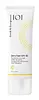
This chemical sunscreen covers the full UV range and blocks ~98% of UVB at SPF 50.
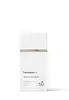
This mineral sunscreen covers the full UV range and blocks ~98% of UVB at SPF 50.


What's inside
What's inside
 Key Ingredients
Benefits
Concerns
Ingredients Side-by-side
Water
Skin ConditioningDibutyl Adipate
EmollientDiethylamino Hydroxybenzoyl Hexyl Benzoate
UV Filter
C12-15 Alkyl Benzoate
AntimicrobialEthylhexyl Triazone
UV Absorber
Bis-Ethylhexyloxyphenol Methoxyphenyl Triazine
Skin Conditioning
Silica
Abrasive


Glyceryl Stearate Citrate
Emollient

Phenylbenzimidazole Sulfonic Acid
UV Absorber
Butylene Glycol Dicaprylate/Dicaprate
EmollientTapioca Starch
Glycerin
Humectant


Poly C10-30 Alkyl Acrylate
Emulsion StabilisingDimethicone
Emollient
Copernicia Cerifera Wax
Behenyl Alcohol
Emollient
Cetearyl Alcohol
Emollient



Xanthan Gum
EmulsifyingCarbomer
Emulsion StabilisingSodium Hydroxide
BufferingTocopheryl Acetate
Antioxidant


Disodium EDTA
Hydroxyacetophenone
Antioxidant
Ethylhexylglycerin
Skin ConditioningPhenoxyethanol
Preservative
Water, Dibutyl Adipate, Diethylamino Hydroxybenzoyl Hexyl Benzoate, C12-15 Alkyl Benzoate, Ethylhexyl Triazone, Bis-Ethylhexyloxyphenol Methoxyphenyl Triazine, Silica, Glyceryl Stearate Citrate, Phenylbenzimidazole Sulfonic Acid, Butylene Glycol Dicaprylate/Dicaprate, Tapioca Starch, Glycerin, Poly C10-30 Alkyl Acrylate, Dimethicone, Copernicia Cerifera Wax, Behenyl Alcohol, Cetearyl Alcohol, Xanthan Gum, Carbomer, Sodium Hydroxide, Tocopheryl Acetate, Disodium EDTA, Hydroxyacetophenone, Ethylhexylglycerin, Phenoxyethanol
Zinc Oxide
Cosmetic Colorant
Water
Skin ConditioningCoconut Alkanes
Emollient
Dimethicone
Emollient
Diethylhexyl Carbonate
EmollientButylene Glycol Dicaprylate/Dicaprate
EmollientIsododecane
EmollientSilica
Abrasive
Dibutyl Adipate
EmollientLauryl Polyglyceryl-3 Polydimethylsiloxyethyl Dimethicone
Skin Conditioning
PEG-Crosspolymer
Magnesium Sulfate
Acetyl Tetrapeptide-2
Skin Conditioning
Nonapeptide-1
Skin Conditioning
Nicotiana Benthamiana Hexapeptide-40 Sh-Polypeptide-47

Collagen Amino Acids
Moisturising
Pongamia Pinnata Seed Extract
Skin ConditioningGossypium Herbaceum Callus Culture
Skin ConditioningGlycyrrhiza Glabra Root Extract
Bleaching


Nelumbo Nucifera Flower Extract
Skin ConditioningCoco-Caprylate/Caprate
Emollient
Hydrogenated Vegetable Oil
Emollient
Disteardimonium Hectorite
StabilisingDiglycerin
Humectant
Caprylyl Glycol
Emollient
Silica Dimethyl Silylate
EmollientPropylene Carbonate
SolventButylene Glycol
Humectant
Pentylene Glycol
Skin Conditioning
Ethylene/Propylene Copolymer
Abrasive
Dextran
Aluminum Hydroxide
EmollientCitric Acid
Buffering
Tocopherol
Antioxidant
Polyhydroxystearic Acid
Emulsifying
Disodium EDTA
Ethylhexylglycerin
Skin ConditioningPhenoxyethanol
Preservative
CI 77891
Cosmetic ColorantCI 77492
Cosmetic ColorantCI 77491
Cosmetic ColorantCI 77266
Cosmetic ColorantZinc Oxide, Water, Coconut Alkanes, Dimethicone, Diethylhexyl Carbonate, Butylene Glycol Dicaprylate/Dicaprate, Isododecane, Silica, Dibutyl Adipate, Lauryl Polyglyceryl-3 Polydimethylsiloxyethyl Dimethicone, PEG-Crosspolymer, Magnesium Sulfate, Acetyl Tetrapeptide-2, Nonapeptide-1, Nicotiana Benthamiana Hexapeptide-40 Sh-Polypeptide-47, Collagen Amino Acids, Pongamia Pinnata Seed Extract, Gossypium Herbaceum Callus Culture, Glycyrrhiza Glabra Root Extract, Nelumbo Nucifera Flower Extract, Coco-Caprylate/Caprate, Hydrogenated Vegetable Oil, Disteardimonium Hectorite, Diglycerin, Caprylyl Glycol, Silica Dimethyl Silylate, Propylene Carbonate, Butylene Glycol, Pentylene Glycol, Ethylene/Propylene Copolymer, Dextran, Aluminum Hydroxide, Citric Acid, Tocopherol, Polyhydroxystearic Acid, Disodium EDTA, Ethylhexylglycerin, Phenoxyethanol, CI 77891, CI 77492, CI 77491, CI 77266
Reviews
Ingredients Explained
These ingredients are found in both products.
Ingredients higher up in an ingredient list are typically present in a larger amount.
This is a lightweight diester (caprylic/capric acid + butylene glycol) with emollient and skin conditioning properties.
According to a manufacturer, this ingredient can help add a "cushiony" oil phase without making it heavy.
Dibutyl Adipate is a lightweight, oil-soluble ester that acts as an emollient and solvent. It helps products spread more easily and leaves a soft, silky, dry-touch finish without being greasy.
You'll likely see this ingredient in sunscreens because it does a nice job dissolving UV filters and keeping them evenly distributed.
This ingredient has been found to be safe as used in cosmetics, wasn't a skin or eye irritant in clinical patch testing, and wasn't phototoxic.
In a clinical comedogenicity test, this ingredient tested negative so it isn't likely to clog pores.
Typical use levels are about 5-8% for sunscreens + nail products, but can range from 0.005%-8% depending on the product.
Learn more about Dibutyl AdipateDimethicone is a type of synthetic silicone created from natural materials such as quartz. It is also known as polydimethylsiloxane.
What it does:
Dimethicone comes in different viscosities:
Depending on the viscosity, dimethicone has different properties.
Ingredients lists don't always show which type is used, so we recommend reaching out to the brand if you have questions about the viscosity.
This ingredient is unlikely to cause irritation because it does not get absorbed into skin. However, people with silicone allergies should be careful about using this ingredient.
Note: Dimethicone may contribute to pilling. This is because it is not oil or water soluble, so pilling may occur when layered with products. When mixed with heavy oils in a formula, the outcome is also quite greasy.
Learn more about DimethiconeDisodium EDTA is a chelating agent. It grabs onto and deactivates metal ions that sneak into your products from water, packaging, or air.
This ingredient mainly works behind the scenes and helps with:
On top of that, this ingredient can counteract the effects of hard water by binding to the minerals in it.
One thing worth knowing is that Disodium EDTA has been shown to be a mild penetration enhancer. It can help other ingredients absorb into skin more effectively which can be a double-edged sword (great for actives, but can also make the active too strong if you have sensitive skin).
Clinical patch testing showed no significant skin irritation at typical use concentrations and minimal dermal absorption.
You'll most likely see this ingredient near the end of an ingredient list. It's typically found in concentrations less than 1%.
Learn more about Disodium EDTAEthylhexylglycerin is created from glycerin. It is a multitasker ingredient that:
The CIR Expert Panel found minimal skin absorption or sensitization of any kind in a safety assessment. Though this ingredient is considered well-tolerated, a small number of cases of allergic dermatitis have been published since 2002. Just be sure to patch test if you are unsure.
Industry-reported use ranges from 8% in rinse-off products and 2% in leave-on formulations.
Learn more about EthylhexylglycerinPhenoxyethanol is one of the most widely used preservatives in skincare (and for good reason!).
It has a large spectrum of antimicrobial activity and especially effective bacteria, yeast, and mold while only having a weak effect on your skin's natural microbiome.
On a cellular level, it disrupts the cell membranes of microbes by poking holes that make the cell leak. This shuts down the chemical reactions the microbe needs to make energy so it can no longer survive.
Another perk of this ingredient is that it stays functional across a wide pH range (3-10).
You'll often see it paired with boosters like Ethylhexylglycerin; one study showed that a 1:9 ratio of Ethylhexylglycerin to Phenoxyethanol damages bacterial membranes as effectively as doubling the Phenoxyethanol concentration on its own.
Typical use concentrations range from 0.3-1% depending on the formula, and this ingredient is capped at 1% int the EU.
Safety-wise, the fear mongering does not hold up to the evidence. The EU's Scientific Committee on Consumer Safety and FDA consider it safe as a preservative at up to 1%, including for children of all ages.
Adverse systemic effects only showed up in animal studies at exposures roughly 200x higher than what people get from cosmetics. And despite its very widespread use, this ingredient is a rare sensitizer and allergic reactions are uncommon.
Learn more about PhenoxyethanolSilica, also known as silicon dioxide, is a naturally occurring mineral. It is used as a fine, spherical, and porous powder in cosmetics.
Though it has exfoliant properties, the function of silica varies depending on the product.
The unique structure of silica enhances the spreadability and adds smoothness, making it a great texture enhancer.
It is also used as an active carrier, emulsifier, and mattifier due to its ability to absorb excess oil.
In some products, tiny microneedles called spicules are made from silica or hydrolyzed sponge. When you rub them in, they lightly polish away dead skin layers and enhance the penetration of active ingredients.
Learn more about SilicaWater. It's the most common cosmetic ingredient of all. You'll usually see it at the top of ingredient lists, meaning that it makes up the largest part of the product.
So why is it so popular? Water most often acts as a solvent - this means that it helps dissolve other ingredients into the formulation.
You'll also recognize water as that liquid we all need to stay alive. If you see this, drink a glass of water. Remember to stay hydrated!
Learn more about Water

