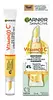
This brightening eye moisturizer is formulated around Niacinamide and Caffeine to brighten dull-looking skin and soften the look of wrinkles.
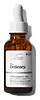
This calming eye moisturizer is formulated around Caffeine and Epigallocatechin Gallatyl Glucoside to calm redness and soften the look of wrinkles.


What's inside
What's inside
 Key Ingredients
Benefits
Concerns
Ingredients Side-by-side
Water
Skin ConditioningGlycerin
Humectant


Dimethicone
Emollient
Prunus Armeniaca Kernel Oil
Masking




Niacinamide
Smoothing









Acrylamide/Sodium Acryloyldimethyltaurate Copolymer
Emulsion StabilisingSilica
Abrasive
CI 77891
Cosmetic ColorantIsohexadecane
EmollientDimethicone/Vinyl Dimethicone Crosspolymer
Skin Conditioning
Hydroxypropyl Tetrahydropyrantriol
Skin ConditioningCaffeine
Skin Conditioning
Synthetic Fluorphlogopite
Propylene Glycol
Humectant
Phenoxyethanol
Preservative
Acrylates/C10-30 Alkyl Acrylate Crosspolymer
Emulsion StabilisingTocopherol
Antioxidant

Chlorphenesin
Antimicrobial
Polysorbate 80
Emulsifying
Ascorbyl Glucoside
Antioxidant
Triethanolamine
BufferingCI 77492
Cosmetic ColorantTrisodium Ethylenediamine Disuccinate
ChelatingMusa Sapientum Fruit Extract
Skin ConditioningAdenosine
Skin Conditioning
Hydrolyzed Hyaluronic Acid
Humectant
Hydroxyethylpiperazine Ethane Sulfonic Acid
BufferingMica
Cosmetic ColorantSorbitan Oleate
Emulsifying
Musa Paradisiaca Fruit Juice
Skin ConditioningAnanas Sativus Fruit Extract
Skin ConditioningCitric Acid
Buffering
Sodium Benzoate
Masking
Disodium Stearoyl Glutamate
CleansingLactic Acid
Buffering
Tin Oxide
Abrasive
Potassium Sorbate
Preservative
Aluminum Hydroxide
EmollientWater, Glycerin, Dimethicone, Prunus Armeniaca Kernel Oil, Niacinamide, Acrylamide/Sodium Acryloyldimethyltaurate Copolymer, Silica, CI 77891, Isohexadecane, Dimethicone/Vinyl Dimethicone Crosspolymer, Hydroxypropyl Tetrahydropyrantriol, Caffeine, Synthetic Fluorphlogopite, Propylene Glycol, Phenoxyethanol, Acrylates/C10-30 Alkyl Acrylate Crosspolymer, Tocopherol, Chlorphenesin, Polysorbate 80, Ascorbyl Glucoside, Triethanolamine, CI 77492, Trisodium Ethylenediamine Disuccinate, Musa Sapientum Fruit Extract, Adenosine, Hydrolyzed Hyaluronic Acid, Hydroxyethylpiperazine Ethane Sulfonic Acid, Mica, Sorbitan Oleate, Musa Paradisiaca Fruit Juice, Ananas Sativus Fruit Extract, Citric Acid, Sodium Benzoate, Disodium Stearoyl Glutamate, Lactic Acid, Tin Oxide, Potassium Sorbate, Aluminum Hydroxide
Water
Skin ConditioningCaffeine
Skin Conditioning
Maltodextrin
Absorbent
Glycerin
Humectant
Propanediol
Solvent
Epigallocatechin Gallatyl Glucoside
Antioxidant
Gallyl Glucoside
Antioxidant
Hyaluronic Acid
Humectant
Oxidized Glutathione
EmollientMelanin
Skin ProtectingGlycine Soja Seed Extract
Skin Conditioning
Pentylene Glycol
Skin Conditioning
Hydroxyethylcellulose
Emulsion StabilisingPolyacrylate Crosspolymer-6
Emulsion StabilisingXanthan Gum
EmulsifyingLactic Acid
Buffering
Dehydroacetic Acid
Preservative
Trisodium Ethylenediamine Disuccinate
ChelatingPropyl Gallate
Antioxidant

Dimethyl Isosorbide
SolventBenzyl Alcohol
Perfuming

1,2-Hexanediol
Skin Conditioning
Ethylhexylglycerin
Skin ConditioningPhenoxyethanol
Preservative
Caprylyl Glycol
Emollient
Water, Caffeine, Maltodextrin, Glycerin, Propanediol, Epigallocatechin Gallatyl Glucoside, Gallyl Glucoside, Hyaluronic Acid, Oxidized Glutathione, Melanin, Glycine Soja Seed Extract, Pentylene Glycol, Hydroxyethylcellulose, Polyacrylate Crosspolymer-6, Xanthan Gum, Lactic Acid, Dehydroacetic Acid, Trisodium Ethylenediamine Disuccinate, Propyl Gallate, Dimethyl Isosorbide, Benzyl Alcohol, 1,2-Hexanediol, Ethylhexylglycerin, Phenoxyethanol, Caprylyl Glycol
Reviews
Ingredients Explained
These ingredients are found in both products.
Ingredients higher up in an ingredient list are typically present in a larger amount.
Caffeine is a naturally occurring plant compound found in coffee beans, tea leaves, cocoa pods, and guarana.
As an antioxidant, caffeine protects your skin from free radical damage caused by UV exposure and envionrmnetal stressors.
Early research also shows that caffeine can help calm redness, soothe irritated skin, and support hair growth by stimulating microcirculation in the scalp.
You might have seen eye creams marketing caffeine as a depuffing ingredient. This is because it is a vasoconstrictor meaning it can temporarily constrict blood vessels, though clinical evidence for this specific use is still limited.
Most skincare products contain this ingredient at concentrations between 1-6%. It is able to penetrate skin easily regardless of skin type or thickness.
Just so you know, a very small number of case reports describe caffeine-induced allergy. This ingredient is generally well-tolerated, non-irritating, and non-sensitizing for the majority of people.
Learn more about CaffeineGlycerin (or glycerol) is a compound naturally found in your skin. It's a powerhouse humectant that pulls water into the stratum corneum.
Topically, glycerin does several things at once:
Your skin makes glycerin on its own (mostly from sebaceous oil breakdown) and shuttles it to your outermost layer of skin, or your epidermis, via aquaporin-3.
Aquaporin-3 is a transporter that is essential for normal skin hydration, elasticity, and repair. Interestingly, mice lacking in AQP3 have dry and less elastic skin that can be fully corrected with glycerin.
This ingredient is non-irritating, plays well with almost every ingredient, and works across all skin types. Typical use is anywhere between 3-10% but can go up to 79% in some leave-on products.
Just know very high concentrations (>40%) can feel tacky in low humidity.
Glycerin is the name for this ingredient in American English. British English uses Glycerol/Glycerine.
Learn more about GlycerinLactic Acid is another well-loved alpha hydroxy acid (AHA). It is gentler than glycolic acid but still highly effective.
Its main role is to exfoliate the surface of the skin by loosening the “glue” that holds dead skin cells together. Shedding those old cells leads to smoother, softer, and more even-toned skin.
Because lactic acid molecules are larger than glycolic acid, they don’t penetrate as deeply. This means they’re less likely to sting or irritate, making it a great choice for beginners or those with sensitive skin.
Like glycolic acid, it can:
Lactic acid also acts as a humectant (like hyaluronic acid). It can draw water into the skin to improve hydration and also plays a role in the skin's natural moisturizing factor (NMF) in the form of sodium lactate.
Studies show it can boost ceramide production to strengthen the skin barrier and even help balance the skin’s microbiome.
To get results, choose products with a pH between 3-4.
Lower strengths (5-12%) focus on surface exfoliation; higher strengths (12% and up) can reach deeper in the dermis (deeper, supportive layer) to improve skin texture and firmness over time.
Though it was originally derived from milk, most modern lactic acid used in skincare is vegan. It is made through non-dairy fermentation to create a bio-identical and stable form suitable for all formulations.
When lactic acid shows up near the end of an ingredient list, it usually means the brand added just a tiny amount to adjust the product’s pH.
Legend has it that Cleopatra used to bathe in sour milk to help reduce wrinkles.
Lactic acid is truly a gentle multitasker: it exfoliates, hydrates, strengthens, and brightens. It's a great ingredient for giving your skin a smooth, glowing, and healthy look without the harshness of stronger acids.
Read more about some other popular AHA's here:
Learn more about Lactic AcidPhenoxyethanol is one of the most widely used preservatives in skincare (and for good reason!).
It has a large spectrum of antimicrobial activity and especially effective bacteria, yeast, and mold while only having a weak effect on your skin's natural microbiome.
On a cellular level, it disrupts the cell membranes of microbes by poking holes that make the cell leak. This shuts down the chemical reactions the microbe needs to make energy so it can no longer survive.
Another perk of this ingredient is that it stays functional across a wide pH range (3-10).
You'll often see it paired with boosters like Ethylhexylglycerin; one study showed that a 1:9 ratio of Ethylhexylglycerin to Phenoxyethanol damages bacterial membranes as effectively as doubling the Phenoxyethanol concentration on its own.
Typical use concentrations range from 0.3-1% depending on the formula, and this ingredient is capped at 1% int the EU.
Safety-wise, the fear mongering does not hold up to the evidence. The EU's Scientific Committee on Consumer Safety and FDA consider it safe as a preservative at up to 1%, including for children of all ages.
Adverse systemic effects only showed up in animal studies at exposures roughly 200x higher than what people get from cosmetics. And despite its very widespread use, this ingredient is a rare sensitizer and allergic reactions are uncommon.
Learn more about PhenoxyethanolTrisodium Ethylenediamine Disuccinate is used to help stabilize a product.
It is a chelating agent, meaning it helps prevent metal ions from binding to other ingredients. This prevents unwanted reactions in products. Metal ions can come into a product via the water ingredient. They are found in trace amounts and are not known to be harmful.
Water. It's the most common cosmetic ingredient of all. You'll usually see it at the top of ingredient lists, meaning that it makes up the largest part of the product.
So why is it so popular? Water most often acts as a solvent - this means that it helps dissolve other ingredients into the formulation.
You'll also recognize water as that liquid we all need to stay alive. If you see this, drink a glass of water. Remember to stay hydrated!
Learn more about Water

