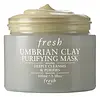
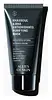
Fresh Umbrian Clay Pore Purifying Face Mask Versus Allies of Skin Rhassoul & BHA Antioxidants Purifying Mask
This wash off mask is formulated around Salicylic Acid to clear breakouts and unclog pores.

What's inside
What's inside
 Key Ingredients
Benefits
Concerns
Ingredients Side-by-side
Solum Fullonum
AbsorbentWater
Skin ConditioningGlycerin
Humectant


Butylene Glycol
Humectant
Pentylene Glycol
Skin Conditioning
Cocamidopropyl Betaine
Cleansing



Vitis Vinifera Seed Oil
Emollient


Olea Europaea Leaf Extract
Perfuming
Xanthan Gum
EmulsifyingFusanus Spicatus Wood Oil
Masking
Lavandula Angustifolia Flower Water
Skin Conditioning
Anthemis Nobilis Flower Oil
Masking

Sodium Chloride
MaskingPolyacrylamide
C13-14 Isoparaffin
Emollient
Laureth-7
EmulsifyingBHT
Antioxidant
Phenoxyethanol
Preservative
Farnesol
Perfuming
Linalool
Perfuming
Solum Fullonum, Water, Glycerin, Butylene Glycol, Pentylene Glycol, Cocamidopropyl Betaine, Vitis Vinifera Seed Oil, Olea Europaea Leaf Extract, Xanthan Gum, Fusanus Spicatus Wood Oil, Lavandula Angustifolia Flower Water, Anthemis Nobilis Flower Oil, Sodium Chloride, Polyacrylamide, C13-14 Isoparaffin, Laureth-7, BHT, Phenoxyethanol, Farnesol, Linalool
Water
Skin ConditioningBentonite
Absorbent

Pentylene Glycol
Skin Conditioning
Kaolin
Abrasive

Moroccan Lava Clay
Abrasive
Propanediol
Solvent
Glyceryl Ricinoleate
Emollient
Glycerin
Humectant
Caprylic/Capric Triglyceride
Masking
Glyceryl Stearate Se
Emulsifying
Salicylic Acid
Masking



Mandelic Acid
Antimicrobial


Honey
Humectant
Stearic Acid
Cleansing
Caprylyl Glycol
Emollient
Leuconostoc/Radish Root Ferment Filtrate
Antimicrobial
Punica Granatum Seed Oil
Emollient
Euterpe Oleracea Fruit Oil
Skin Conditioning
Vitis Vinifera Seed Oil
Emollient
Punica Granatum Extract
AstringentEuterpe Oleracea Fruit Extract
Vaccinium Angustifolium Fruit Extract
Skin Protecting
Ceramide NP
Skin Conditioning
Panthenol
Skin Conditioning
Allantoin
Skin Conditioning
Bisabolol
Antioxidant
Tocopherol
Antioxidant
Sodium Gluconate
ChelatingCocamidopropyl Hydroxysultaine
Cleansing
Sodium Hydroxide
BufferingCitric Acid
Buffering
Phenoxyethanol
Preservative
Water, Bentonite, Pentylene Glycol, Kaolin, Moroccan Lava Clay, Propanediol, Glyceryl Ricinoleate, Glycerin, Caprylic/Capric Triglyceride, Glyceryl Stearate Se, Salicylic Acid, Mandelic Acid, Honey, Stearic Acid, Caprylyl Glycol, Leuconostoc/Radish Root Ferment Filtrate, Punica Granatum Seed Oil, Euterpe Oleracea Fruit Oil, Vitis Vinifera Seed Oil, Punica Granatum Extract, Euterpe Oleracea Fruit Extract, Vaccinium Angustifolium Fruit Extract, Ceramide NP, Panthenol, Allantoin, Bisabolol, Tocopherol, Sodium Gluconate, Cocamidopropyl Hydroxysultaine, Sodium Hydroxide, Citric Acid, Phenoxyethanol
Reviews
Ingredients Explained
These ingredients are found in both products.
Ingredients higher up in an ingredient list are typically present in a larger amount.
Glycerin (or glycerol) is a compound naturally found in your skin. It's a powerhouse humectant that pulls water into the stratum corneum.
Topically, glycerin does several things at once:
Your skin makes glycerin on its own (mostly from sebaceous oil breakdown) and shuttles it to your outermost layer of skin, or your epidermis, via aquaporin-3.
Aquaporin-3 is a transporter that is essential for normal skin hydration, elasticity, and repair. Interestingly, mice lacking in AQP3 have dry and less elastic skin that can be fully corrected with glycerin.
This ingredient is non-irritating, plays well with almost every ingredient, and works across all skin types. Typical use is anywhere between 3-10% but can go up to 79% in some leave-on products.
Just know very high concentrations (>40%) can feel tacky in low humidity.
Glycerin is the name for this ingredient in American English. British English uses Glycerol/Glycerine.
Learn more about GlycerinPentylene Glycol (1,2-pentanediol) is a multitasking little diol with three main roles in a formula:
Research on alkanediols (the family pentylene glycol belongs to) show they work by disrupting microbial cell membranes. This disruption helps the primary preservative system in a product work more effectively at lower doses.
On the safety side, the Cosmetic Ingredient Review Expert Panel has concluded this ingredient to be safe as used in current cosmetic practices + concentrations.
Typical use levels in a formula run about 1-5%.
Learn more about Pentylene GlycolPhenoxyethanol is one of the most widely used preservatives in skincare (and for good reason!).
It has a large spectrum of antimicrobial activity and especially effective bacteria, yeast, and mold while only having a weak effect on your skin's natural microbiome.
On a cellular level, it disrupts the cell membranes of microbes by poking holes that make the cell leak. This shuts down the chemical reactions the microbe needs to make energy so it can no longer survive.
Another perk of this ingredient is that it stays functional across a wide pH range (3-10).
You'll often see it paired with boosters like Ethylhexylglycerin; one study showed that a 1:9 ratio of Ethylhexylglycerin to Phenoxyethanol damages bacterial membranes as effectively as doubling the Phenoxyethanol concentration on its own.
Typical use concentrations range from 0.3-1% depending on the formula, and this ingredient is capped at 1% int the EU.
Safety-wise, the fear mongering does not hold up to the evidence. The EU's Scientific Committee on Consumer Safety and FDA consider it safe as a preservative at up to 1%, including for children of all ages.
Adverse systemic effects only showed up in animal studies at exposures roughly 200x higher than what people get from cosmetics. And despite its very widespread use, this ingredient is a rare sensitizer and allergic reactions are uncommon.
Learn more about PhenoxyethanolVitis Vinifera Seed Oil comes from the grape vine. Grape seeds are a byproduct of creating grape juice or wine.
The components of grape seeds have many skin benefits. Research has found it to be antimicrobial and anti-inflammatory. It also contains many potent antioxidants such as Vitamin E , Vitamin C, proanthocyanidins, polyphenols, flavonoids, and anthocyanins. Proanthocyanidin has been shown to help even out skin tone.
Antioxidants help fight free-radical molecules. Free-radical molecules are capable of damaging our cells and other genetic material. Antioxidants help stabilize free-radicals by donating extra electrons. Grape seed extract may help reduce the signs of aging.
The antimicrobial properties of grape seed may help treat acne. However, more research is needed to support this claim.
Grape seed has also been found to help absorb UV rays. Grape seed extract should not replace your sunscreen.
The fatty acids of grape seed oil give it emollient properties. Emollients help soothe and soften your skin by creating a film. This film traps moisture within, keeping your skin hydrated.
Learn more about Vitis Vinifera Seed OilWater. It's the most common cosmetic ingredient of all. You'll usually see it at the top of ingredient lists, meaning that it makes up the largest part of the product.
So why is it so popular? Water most often acts as a solvent - this means that it helps dissolve other ingredients into the formulation.
You'll also recognize water as that liquid we all need to stay alive. If you see this, drink a glass of water. Remember to stay hydrated!
Learn more about Water

