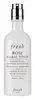
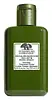
Fresh Rose Floral Toner Versus Origins Dr. Andrew Weil For Origins™ Mega-Mushroom Relief & Resilience Soothing Treatment Lotion
This calming toner is formulated around Rosa Damascena Flower Water and Anthemis Nobilis Flower Oil to calm redness.
This calming toner is formulated around Ganoderma Lucidum Extract and Ergothioneine to calm redness and strengthen the skin barrier.

What's inside
What's inside
 Key Ingredients
No key ingredients
Benefits
Concerns
Ingredients Side-by-side
Water
Skin ConditioningButylene Glycol
Humectant

PEG-4
HumectantCitrus Aurantium Dulcis Oil
Masking
Lavandula Angustifolia Oil
Masking



Pogostemon Cablin Leaf Oil
Masking
Citrus Nobilis Peel Oil
Masking
Pelargonium Graveolens Flower Oil
Masking
Boswellia Carterii Oil
Masking
Limonene
Perfuming

Linalool
Perfuming
Citronellol
Perfuming
Geraniol
Perfuming
Ganoderma Lucidum Extract
Skin Protecting
Fuscoporia Obliqua Sclerotium Extract
Skin ConditioningCordyceps Sinensis Extract
Antioxidant
Ergothioneine
Antioxidant

Camelina Sativa Seed Oil
Skin Conditioning
Lactobacillus Ferment
Skin Conditioning
Hippophae Rhamnoides Extract
MaskingZingiber Officinale Root Extract
Masking
Curcuma Longa Root Extract
Antioxidant
Ocimum Sanctum Leaf Extract
Skin ConditioningHelianthus Annuus Seed Oil
Emollient
Silybum Marianum Fruit Extract
Skin Conditioning
Saccharomyces Lysate Extract
Humectant
Centella Asiatica Extract
Cleansing

Hypnea Musciformis Extract
Skin Protecting
Caffeine
Skin Conditioning
Sucrose
Humectant
Salvia Sclarea Extract
AntiseborrhoeicSaccharomyces Ferment Filtrate
Humectant
PEG-40 Hydrogenated Castor Oil
Emulsifying
Gelidiella Acerosa Extract
Skin Protecting
Trideceth-9
EmulsifyingGlycerin
Humectant
Glycereth-26
Humectant
Polysorbate 20
Emulsifying
Sodium Hyaluronate
Humectant
Tocopheryl Acetate
Antioxidant

Maltodextrin
Absorbent
Pentylene Glycol
Skin Conditioning
Sodium Hydroxide
BufferingCitric Acid
Buffering
Potassium Sorbate
Preservative
Phenoxyethanol
Preservative
Water, Butylene Glycol, PEG-4, Citrus Aurantium Dulcis Oil, Lavandula Angustifolia Oil, Pogostemon Cablin Leaf Oil, Citrus Nobilis Peel Oil, Pelargonium Graveolens Flower Oil, Boswellia Carterii Oil, Limonene, Linalool, Citronellol, Geraniol, Ganoderma Lucidum Extract, Fuscoporia Obliqua Sclerotium Extract, Cordyceps Sinensis Extract, Ergothioneine, Camelina Sativa Seed Oil, Lactobacillus Ferment, Hippophae Rhamnoides Extract, Zingiber Officinale Root Extract, Curcuma Longa Root Extract, Ocimum Sanctum Leaf Extract, Helianthus Annuus Seed Oil, Silybum Marianum Fruit Extract, Saccharomyces Lysate Extract, Centella Asiatica Extract, Hypnea Musciformis Extract, Caffeine, Sucrose, Salvia Sclarea Extract, Saccharomyces Ferment Filtrate, PEG-40 Hydrogenated Castor Oil, Gelidiella Acerosa Extract, Trideceth-9, Glycerin, Glycereth-26, Polysorbate 20, Sodium Hyaluronate, Tocopheryl Acetate, Maltodextrin, Pentylene Glycol, Sodium Hydroxide, Citric Acid, Potassium Sorbate, Phenoxyethanol
Reviews
Ingredients Explained
These ingredients are found in both products.
Ingredients higher up in an ingredient list are typically present in a larger amount.
Citric Acid is an alpha hydroxy acid (AHA) naturally found in citrus fruits like oranges, lemons, and limes.
Like other AHAs, citric acid can exfoliate skin by breaking down the bonds that hold dead skin cells together. This helps reveal smoother and brighter skin underneath.
However, this exfoliating effect only happens at high concentrations (20%) which can be hard to find in cosmetic products.
Due to this, citric acid is usually included in small amounts as a pH adjuster. This helps keep products slightly more acidic and compatible with skin's natural pH.
In skincare formulas, citric acid can:
While it can provide some skin benefits, research shows lactic acid and glycolic acid are generally more effective and less irritating exfoliants.
Most citric acid used in skincare today is made by fermenting sugars (usually from molasses). This synthetic version is identical to the natural citrus form but easier to stabilize and use in formulations.
Rosacea skin has a lower threshold for acids generally, with 62.5% of rosacea subjects in one study reacting to lactic acid in a sting test. This is why we mark citric acid as a potential rosacea trigger.
However, this ingredient shows up as a pH adjuster or chelator at roughly 0.1-1% in many products. These low levels are unlikely to be an issue for rosacea skin and becomes a potential trigger at exfoliating concentrations (20%). Because everybody's skin is unique, we recommend a patch test if you are unsure.
Learn more about Citric AcidCitronellol is used to add fragrance/parfum to a product. It is often derived from plants such as roses. In fact, it can be found in many essential oils including geranium, lavender, neroli, and more. The scent of Citronellol is often described as "fresh, grassy, and citrus-like".
Since the Citronellol molecule is already unstable, Citronellol becomes irritating on the skin when exposed to air.
Citronellol is a modified terpene. Terpenes are unsaturated hydrocarbons found in plants. They make up the primary part of essential oils.
Citronellol is not able to be absorbed into deeper layers of the skin. It has low permeability,
Citronellol is also a natural insect repellent.
Learn more about CitronellolGeraniol is used to add fragrance/parfum to a product. It is the main component of citronellol. It is a monoterpenoid and an alcohol.
Monoterpenes are naturally found in many parts of different plants.
Geraniol can be found in many essential oils including Rose Oil and Citronella Oil. The scent of Geraniol is often described as "rose-like". Many foods also contain Geraniol for fruit flavoring.
Geraniol can irritate the skin when exposed to air. However, irritation depends on the ability of geraniol to penetrate into the skin. In general, geraniol is not able to penetrate skin easily.
Geraniol is colorless and has low water-solubility. However, it is soluble in common organic solvents.
Like citronellol, it is a natural insect repellent.
2,6-Octadien-1-ol, 3,7-dimethyl-, (2E)-
Learn more about GeraniolGlycerin (or glycerol) is a compound naturally found in your skin. It's a powerhouse humectant that pulls water into the stratum corneum.
Topically, glycerin does several things at once:
Your skin makes glycerin on its own (mostly from sebaceous oil breakdown) and shuttles it to your outermost layer of skin, or your epidermis, via aquaporin-3.
Aquaporin-3 is a transporter that is essential for normal skin hydration, elasticity, and repair. Interestingly, mice lacking in AQP3 have dry and less elastic skin that can be fully corrected with glycerin.
This ingredient is non-irritating, plays well with almost every ingredient, and works across all skin types. Typical use is anywhere between 3-10% but can go up to 79% in some leave-on products.
Just know very high concentrations (>40%) can feel tacky in low humidity.
Glycerin is the name for this ingredient in American English. British English uses Glycerol/Glycerine.
Learn more about GlycerinPentylene Glycol (1,2-pentanediol) is a multitasking little diol with three main roles in a formula:
Research on alkanediols (the family pentylene glycol belongs to) show they work by disrupting microbial cell membranes. This disruption helps the primary preservative system in a product work more effectively at lower doses.
On the safety side, the Cosmetic Ingredient Review Expert Panel has concluded this ingredient to be safe as used in current cosmetic practices + concentrations.
Typical use levels in a formula run about 1-5%.
Learn more about Pentylene GlycolPhenoxyethanol is one of the most widely used preservatives in skincare (and for good reason!).
It has a large spectrum of antimicrobial activity and especially effective bacteria, yeast, and mold while only having a weak effect on your skin's natural microbiome.
On a cellular level, it disrupts the cell membranes of microbes by poking holes that make the cell leak. This shuts down the chemical reactions the microbe needs to make energy so it can no longer survive.
Another perk of this ingredient is that it stays functional across a wide pH range (3-10).
You'll often see it paired with boosters like Ethylhexylglycerin; one study showed that a 1:9 ratio of Ethylhexylglycerin to Phenoxyethanol damages bacterial membranes as effectively as doubling the Phenoxyethanol concentration on its own.
Typical use concentrations range from 0.3-1% depending on the formula, and this ingredient is capped at 1% int the EU.
Safety-wise, the fear mongering does not hold up to the evidence. The EU's Scientific Committee on Consumer Safety and FDA consider it safe as a preservative at up to 1%, including for children of all ages.
Adverse systemic effects only showed up in animal studies at exposures roughly 200x higher than what people get from cosmetics. And despite its very widespread use, this ingredient is a rare sensitizer and allergic reactions are uncommon.
Learn more about PhenoxyethanolWater. It's the most common cosmetic ingredient of all. You'll usually see it at the top of ingredient lists, meaning that it makes up the largest part of the product.
So why is it so popular? Water most often acts as a solvent - this means that it helps dissolve other ingredients into the formulation.
You'll also recognize water as that liquid we all need to stay alive. If you see this, drink a glass of water. Remember to stay hydrated!
Learn more about Water

