Florence by Mills Dreamy Drops Hydrating Serum Versus Estée Lauder Advanced Night Repair Rescue Solution Serum With 15% Bifidus Ferment
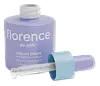
This hydrating serum is formulated around Limnanthes Alba Seed Oil and Hydrolyzed Hyaluronic Acid to hydrate skin and calm redness.
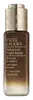
This calming serum is formulated around Bifida Ferment Filtrate and Resveratrol to calm redness and strengthen the skin barrier.


What's inside
What's inside
 Key Ingredients
Benefits
Concerns
Ingredients Side-by-side
Water
Skin ConditioningGlycerin
Humectant


Butylene Glycol
Humectant
Limnanthes Alba Seed Oil
Skin Conditioning


Hydrolyzed Hyaluronic Acid
Humectant

Anthemis Nobilis Flower Water
Masking

Cucumis Sativus Fruit Water
Skin ConditioningCitrullus Lanatus Fruit Extract
Skin Conditioning
Pyrus Malus Fruit Extract
Skin Conditioning
Rosa Gallica Flower Extract
AstringentAloe Barbadensis Leaf Juice
Skin Conditioning
Lens Esculenta Fruit Extract
Skin ConditioningCaffeine
Skin Conditioning
Propanediol
Solvent
Carbomer
Emulsion StabilisingTriheptanoin
Skin ConditioningC13-15 Alkane
SolventSodium Phytate
ChelatingEthylhexylglycerin
Skin ConditioningHydroxyacetophenone
Antioxidant
Methylglucamine
Pentylene Glycol
Skin Conditioning
Tocopheryl Acetate
Antioxidant

Xanthan Gum
EmulsifyingSodium Lactate
Buffering
Potassium Sorbate
Preservative
Sodium Benzoate
Masking
Sodium PCA
Humectant
Citric Acid
Buffering
Glyceryl Acrylate/Acrylic Acid Copolymer
HumectantPhenoxyethanol
Preservative
Water, Glycerin, Butylene Glycol, Limnanthes Alba Seed Oil, Hydrolyzed Hyaluronic Acid, Anthemis Nobilis Flower Water, Cucumis Sativus Fruit Water, Citrullus Lanatus Fruit Extract, Pyrus Malus Fruit Extract, Rosa Gallica Flower Extract, Aloe Barbadensis Leaf Juice, Lens Esculenta Fruit Extract, Caffeine, Propanediol, Carbomer, Triheptanoin, C13-15 Alkane, Sodium Phytate, Ethylhexylglycerin, Hydroxyacetophenone, Methylglucamine, Pentylene Glycol, Tocopheryl Acetate, Xanthan Gum, Sodium Lactate, Potassium Sorbate, Sodium Benzoate, Sodium PCA, Citric Acid, Glyceryl Acrylate/Acrylic Acid Copolymer, Phenoxyethanol
Water
Skin ConditioningBifida Ferment Filtrate
Skin Conditioning
PEG-8
HumectantButylene Glycol
Humectant
Glycerin
Humectant
Polysorbate 80
Emulsifying
Bis-PEG-18 Methyl Ether Dimethyl Silane
EmollientTripeptide-32
Skin Conditioning
Hydrolyzed Yeast Protein
Skin ConditioningLactobacillus Ferment
Skin Conditioning
Sodium Hyaluronate
Humectant
Caffeine
Skin Conditioning
Hypnea Musciformis Extract
Skin Protecting

Citrullus Lanatus Fruit Extract
Skin Conditioning
Lens Esculenta Fruit Extract
Skin ConditioningPyrus Malus Fruit Extract
Skin Conditioning
Magnolia Officinalis Bark Extract
Antimicrobial
Resveratrol
Antioxidant
Poria Cocos Sclerotium Extract
AstringentSilybum Marianum Fruit Extract
Skin Conditioning
Sapindus Mukorossi Fruit Extract
Skin ConditioningAnthemis Nobilis Flower Extract
Masking
Sodium Lactate
Buffering
Ethylhexylglycerin
Skin ConditioningPotassium Gluconate
ChelatingSodium PCA
Humectant
Caesalpinia Spinosa Gum
Skin ConditioningSucrose
Humectant
Caprylyl Glycol
Emollient
Hexylene Glycol
EmulsifyingCarbomer
Emulsion StabilisingXanthan Gum
EmulsifyingPPG-6-Decyltetradeceth-30
EmulsifyingPPG-5-Ceteth-20
EmulsifyingBHT
Antioxidant
Disodium EDTA
ChelatingSodium Hydroxide
BufferingPotassium Sorbate
Preservative
Phenoxyethanol
Preservative
Sodium Benzoate
Masking
CI 14700
Cosmetic ColorantCI 19140
Cosmetic ColorantWater, Bifida Ferment Filtrate, PEG-8, Butylene Glycol, Glycerin, Polysorbate 80, Bis-PEG-18 Methyl Ether Dimethyl Silane, Tripeptide-32, Hydrolyzed Yeast Protein, Lactobacillus Ferment, Sodium Hyaluronate, Caffeine, Hypnea Musciformis Extract, Citrullus Lanatus Fruit Extract, Lens Esculenta Fruit Extract, Pyrus Malus Fruit Extract, Magnolia Officinalis Bark Extract, Resveratrol, Poria Cocos Sclerotium Extract, Silybum Marianum Fruit Extract, Sapindus Mukorossi Fruit Extract, Anthemis Nobilis Flower Extract, Sodium Lactate, Ethylhexylglycerin, Potassium Gluconate, Sodium PCA, Caesalpinia Spinosa Gum, Sucrose, Caprylyl Glycol, Hexylene Glycol, Carbomer, Xanthan Gum, PPG-6-Decyltetradeceth-30, PPG-5-Ceteth-20, BHT, Disodium EDTA, Sodium Hydroxide, Potassium Sorbate, Phenoxyethanol, Sodium Benzoate, CI 14700, CI 19140
Ingredients Explained
These ingredients are found in both products.
Ingredients higher up in an ingredient list are typically present in a larger amount.
Butylene Glycol (or BG) is used within cosmetic products for a few different reasons:
Overall, Butylene Glycol is a safe and well-rounded ingredient that works well with other ingredients.
Though this ingredient works well with most skin types, some people with sensitive skin may experience a reaction such as allergic rashes, closed comedones, or itchiness.
Learn more about Butylene GlycolCaffeine is a naturally occurring plant compound found in coffee beans, tea leaves, cocoa pods, and guarana.
As an antioxidant, caffeine protects your skin from free radical damage caused by UV exposure and envionrmnetal stressors.
Early research also shows that caffeine can help calm redness, soothe irritated skin, and support hair growth by stimulating microcirculation in the scalp.
You might have seen eye creams marketing caffeine as a depuffing ingredient. This is because it is a vasoconstrictor meaning it can temporarily constrict blood vessels, though clinical evidence for this specific use is still limited.
Most skincare products contain this ingredient at concentrations between 1-6%. It is able to penetrate skin easily regardless of skin type or thickness.
Just so you know, a very small number of case reports describe caffeine-induced allergy. This ingredient is generally well-tolerated, non-irritating, and non-sensitizing for the majority of people.
Learn more about CaffeineCarbomer is a synthetic thickening and gelling agent. It's basically the ingredient that gives a lot of serums, gels, creams, and sunscreens their smooth, non-sticky texture.
Although legally permitted at very high levels, carbomers are normally used at concentrations below 1%.
It also needs to be neutralized to actually thicken, and because it is a large molecule, it doesn't really penetrate the skin barrier.
Allergy-wise, the risk is very low. Clinical studies show carbomers have low potential for skin irritation/sensitization even at concentrations up to 100%.
A 2024 UK study patch-tested 1,302 patients and found true allergy to the parent group of carbomer to be rare with no confirmed relevant reactions.
Learn more about CarbomerCitrullus Lanatus Fruit Extract comes from the watermelon. Watermelon has antioxidant and anti-inflammatory properties.
Watermelons are rich in antioxidants such as Vitamin A, Vitamin C and lycopene. It also contains sugars and amino acids, such as arginine and glutathione.
Lycopene is a potent antioxidant. Besides helping to protect your skin against free-radical molecules, it also helps soothe the skin. Lycopene gives watermelon the distinct red color.
Learn more about Citrullus Lanatus Fruit ExtractEthylhexylglycerin is created from glycerin. It is a multitasker ingredient that:
The CIR Expert Panel found minimal skin absorption or sensitization of any kind in a safety assessment. Though this ingredient is considered well-tolerated, a small number of cases of allergic dermatitis have been published since 2002. Just be sure to patch test if you are unsure.
Industry-reported use ranges from 8% in rinse-off products and 2% in leave-on formulations.
Learn more about EthylhexylglycerinGlycerin (or glycerol) is a compound naturally found in your skin. It's a powerhouse humectant that pulls water into the stratum corneum.
Topically, glycerin does several things at once:
Your skin makes glycerin on its own (mostly from sebaceous oil breakdown) and shuttles it to your outermost layer of skin, or your epidermis, via aquaporin-3.
Aquaporin-3 is a transporter that is essential for normal skin hydration, elasticity, and repair. Interestingly, mice lacking in AQP3 have dry and less elastic skin that can be fully corrected with glycerin.
This ingredient is non-irritating, plays well with almost every ingredient, and works across all skin types. Typical use is anywhere between 3-10% but can go up to 79% in some leave-on products.
Just know very high concentrations (>40%) can feel tacky in low humidity.
Glycerin is the name for this ingredient in American English. British English uses Glycerol/Glycerine.
Learn more about GlycerinWe don't have a description for Lens Esculenta Fruit Extract yet.
Phenoxyethanol is one of the most widely used preservatives in skincare (and for good reason!).
It has a large spectrum of antimicrobial activity and especially effective bacteria, yeast, and mold while only having a weak effect on your skin's natural microbiome.
On a cellular level, it disrupts the cell membranes of microbes by poking holes that make the cell leak. This shuts down the chemical reactions the microbe needs to make energy so it can no longer survive.
Another perk of this ingredient is that it stays functional across a wide pH range (3-10).
You'll often see it paired with boosters like Ethylhexylglycerin; one study showed that a 1:9 ratio of Ethylhexylglycerin to Phenoxyethanol damages bacterial membranes as effectively as doubling the Phenoxyethanol concentration on its own.
Typical use concentrations range from 0.3-1% depending on the formula, and this ingredient is capped at 1% int the EU.
Safety-wise, the fear mongering does not hold up to the evidence. The EU's Scientific Committee on Consumer Safety and FDA consider it safe as a preservative at up to 1%, including for children of all ages.
Adverse systemic effects only showed up in animal studies at exposures roughly 200x higher than what people get from cosmetics. And despite its very widespread use, this ingredient is a rare sensitizer and allergic reactions are uncommon.
Learn more about PhenoxyethanolPotassium Sorbate is a preservative used to prevent yeast and mold in products. It is commonly found in both cosmetic and food products.
This ingredient comes from potassium salt derived from sorbic acid. Sorbic acid is a natural antibiotic and effective against fungus.
Both potassium sorbate and sorbic acid can be found in baked goods, cheeses, dried meats, dried fruit, ice cream, pickles, wine, yogurt, and more.
You'll often find this ingredient used with other preservatives.
Learn more about Potassium SorbatePyrus Malus Fruit Extract is extract from Apples. Apples are rich in Vitamin C, sugars, and antioxidants.
The sugar in Apples are humectants and help hydrate the skin. On top of that, apples also contain some acids, such as malic acid. These acids may have a mild exfoliating effect.
Last, the phytochemicals found in apples are strong antioxidants. These antioxidants help with anti-aging as they protect your skin cells against oxidative damage.
Learn more about Pyrus Malus Fruit ExtractSodium Benzoate is a preservative. It's used in both cosmetic and food products to inhibit the growth of mold and bacteria. It is typically produced synthetically.
Both the US FDA and EU Health Committee have approved the use of sodium benzoate. In the US, levels of 0.1% (of the total product) are allowed.
Sodium benzoate works as a preservative by inhibiting the growth of bacteria inside of cells. It prevents the cell from fermenting a type of sugar using an enzyme called phosphofructokinase.
It is the salt of benzoic acid. Foods containing sodium benzoate include soda, salad dressings, condiments, fruit juices, wines, and snack foods.
Studies for using ascorbic acid and sodium benzoate in cosmetics are lacking, especially in skincare routines with multiple steps.
We always recommend speaking with a professional, such as a dermatologist, if you have any concerns.
Learn more about Sodium BenzoateSodium Lactate is the sodium salt of lactic acid, an AHA. It is a humectant and sometimes used to adjust the pH of a product.
This ingredient is part of our skin's NMF, or natural moisturizing factor. Our NMF is essential for the hydration of our top skin layers and plasticity of skin. NMF also influences our skin's natural acid mantle and pH, which protects our skin from harmful bacteria.
High percentages of Sodium Lactate can have an exfoliating effect.
Fun fact: Sodium Lactate is produced from fermented sugar.
Learn more about Sodium LactateSodium PCA (the salt of PCA) is one of the most well-established humectants in skincare.
Why is it so special? Your skin already makes it naturally; it's a natural component of your skin's Natural Moisturizing Factor (NMF), or the mix of water-binding compounds inside your skin cells that keeps things soft and hydrated.
As a cosmetic ingredient, it grabs water and holds it in the upper layers of skin to smooth roughness and ease dehydration.
There's some clinical support for the NMF approach with a study showing that a cream built to mimic the skin's NMF significantly boosted hydration.
Safety-wise, this ingredient non-irritating, non-comedogenic, and non-phototoxic in testing, with minimal skin absorption.
It also works really well with other hydrators like glycerin or hyaluronic acid, and typical usage is somewhere between 0.2-4%.
Learn more about Sodium PCAWater. It's the most common cosmetic ingredient of all. You'll usually see it at the top of ingredient lists, meaning that it makes up the largest part of the product.
So why is it so popular? Water most often acts as a solvent - this means that it helps dissolve other ingredients into the formulation.
You'll also recognize water as that liquid we all need to stay alive. If you see this, drink a glass of water. Remember to stay hydrated!
Learn more about WaterXanthan gum is used as a stabilizer and thickener within cosmetic products. It helps give products a sticky, thick feeling - preventing them from being too runny.
On the technical side of things, xanthan gum is a polysaccharide - a combination consisting of multiple sugar molecules bonded together.
Xanthan gum is a pretty common and great ingredient. It is a natural, non-toxic, non-irritating ingredient that is also commonly used in food products.
Learn more about Xanthan Gum

