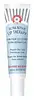
This barrier-repair lip moisturizer is formulated around Simmondsia Chinensis Seed Oil and Butyrospermum Parkii Butter to strengthen the lip barrier and hydrate lips.
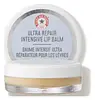
This hydrating lip mask is formulated around Butyrospermum Parkii Butter and Colloidal Oatmeal to hydrate lips and strengthen the lip barrier.

What's inside
What's inside
 Key Ingredients
Benefits
Concerns
Ingredients Side-by-side
Diisostearyl Malate
EmollientCera Microcristallina
Emulsion StabilisingSimmondsia Chinensis Seed Oil
Emollient





Butyrospermum Parkii Butter
Skin Conditioning


Vitis Vinifera Seed Oil
Emollient
Copernicia Cerifera Wax
Glyceryl Diisostearate
Emollient
Dimethicone
Emollient
Aroma


Glycerin
Humectant
Triisostearin
Skin Conditioning
Isostearyl Alcohol
Emollient
Avena Sativa Kernel Flour
Abrasive

Hyaluronic Acid
Humectant

Malic Acid
Buffering



Allantoin
Skin Conditioning
Squalane
Emollient
Tocopherol
Antioxidant

Glycine Soja Oil
Emollient
Water
Skin ConditioningChrysanthemum Parthenium Extract
Skin ConditioningGlycyrrhiza Glabra Root Extract
Bleaching
Camellia Sinensis Leaf Extract
Antimicrobial

Leuconostoc/Radish Root Ferment Filtrate
Antimicrobial
Phenoxyethanol
Preservative
EDTA
ChelatingCitral
Perfuming
Limonene
Perfuming
Diisostearyl Malate, Cera Microcristallina, Simmondsia Chinensis Seed Oil, Butyrospermum Parkii Butter, Vitis Vinifera Seed Oil, Copernicia Cerifera Wax, Glyceryl Diisostearate, Dimethicone, Aroma, Glycerin, Triisostearin, Isostearyl Alcohol, Avena Sativa Kernel Flour, Hyaluronic Acid, Malic Acid, Allantoin, Squalane, Tocopherol, Glycine Soja Oil, Water, Chrysanthemum Parthenium Extract, Glycyrrhiza Glabra Root Extract, Camellia Sinensis Leaf Extract, Leuconostoc/Radish Root Ferment Filtrate, Phenoxyethanol, EDTA, Citral, Limonene
Cera Alba
Emollient
Carthamus Tinctorius Seed Oil
Masking
Water
Skin ConditioningPrunus Amygdalus Dulcis Oil
Skin Conditioning
Butyrospermum Parkii Butter
Skin Conditioning
Lecithin
Emollient
Theobroma Cacao Seed Butter
Emollient
Caprylic/Capric Triglyceride
Masking
Glycerin
Humectant
Aroma
Triticum Vulgare Germ Oil
Emollient
Colloidal Oatmeal
Absorbent
Urea
Buffering
Honey
Humectant
Chrysanthemum Parthenium Extract
Skin ConditioningCamellia Sinensis Leaf Extract
Antimicrobial
Glycyrrhiza Glabra Root Extract
Bleaching
Propolis Extract
Skin Conditioning

Allantoin
Skin Conditioning
Vanilla Planifolia Fruit Extract
Skin Conditioning
Butylene Glycol
Humectant
Caprylyl Glycol
Emollient
Phenoxyethanol
Preservative
Leuconostoc/Radish Root Ferment Filtrate
Antimicrobial
Sodium Hydroxide
BufferingEDTA
ChelatingEugenol
Perfuming
Cera Alba, Carthamus Tinctorius Seed Oil, Water, Prunus Amygdalus Dulcis Oil, Butyrospermum Parkii Butter, Lecithin, Theobroma Cacao Seed Butter, Caprylic/Capric Triglyceride, Glycerin, Aroma, Triticum Vulgare Germ Oil, Colloidal Oatmeal, Urea, Honey, Chrysanthemum Parthenium Extract, Camellia Sinensis Leaf Extract, Glycyrrhiza Glabra Root Extract, Propolis Extract, Allantoin, Vanilla Planifolia Fruit Extract, Butylene Glycol, Caprylyl Glycol, Phenoxyethanol, Leuconostoc/Radish Root Ferment Filtrate, Sodium Hydroxide, EDTA, Eugenol
Reviews
Ingredients Explained
These ingredients are found in both products.
Ingredients higher up in an ingredient list are typically present in a larger amount.
Allantoin is a soothing ingredient known for its protective and moisturizing properties; it's basically a quiet workhorse ingredient you can find in a huge range of cosmetics.
Though it can be derived from the comfrey plant, allantoin is produced synthetically for cosmetic products to ensure purity.
Research shows it can encourage your skin cells to turn over and renew by stimulating keratinocyte and fibroblast proliferation.
It also has mild keratolytic properties to help loosen and shed dead skin cells without being harsh.
Studies also suggest allantoin can help calm inflammation by dialing down some of the chemical signals your skin sends out when it is irritated.
This ingredient is typically used in the 0.1-0.5% range, and the FDA recognizes it as a skin protectant in OTC products up to 2%.
Overall, allantoin is a wonderful addition to most routines; it is stable across a wide pH range (~4-8), works well with other ingredients, and is considered non-sensitizing/non-irritating.
Fun fact: Allantoin is naturally occurring in comfrey root, beets, chamomile, and wheat sprouts. Our bodies even produce it as a byproduct of uric acid metabolism.
Learn more about AllantoinAroma refers to an ingredient, or mixture of ingredients, that impart or mask a flavor.
The name is slightly confusing. This is because INCI associates aroma with flavor instead of smell.
Here is the official definition from the The International Cosmetic Ingredient Dictionary and Handbook:
“Aroma is a term for ingredient labeling used to identify that a product contains a material or combination of materials normally added to a cosmetic to produce or to mask a particular flavor.”
INCI shows the only purpose of aroma to be "flavouring".
However, due to regulation differences, some companies may use aroma in place of parfum.
In Canada, this ingredient only has to be listed in concentrations above 1%.
Learn more about AromaThis ingredient is also known as shea butter. It is a plant-derived extract from the nuts of the Africa shea tree and one of the most well-studied emollients.
Because it has a high concentration of fatty acids (primarily oleic, stearic, and linoleic) it is able to form a protective barrier on the skin's surface. This helps seal in moisture and prevents transepidermal water loss (TEWL).
In vitro research found an increase in skin hydration by 58% and a decrease in TEWL by 37.8% after 24 hours of applying this ingredient (pretty impressive for a single ingredient!).
Besides hydration, shea butter also contains triterpenes that have anti-inflammatory potential. In particule, lupeol cinnamate has shown the highest anti-inflammatory activity in vivo.
Shea butter also contains vitamins A and E which may contribute to antioxidant activity.
While Shea Butter has an SPF rating of about 3-4, it is not a sunscreen replacement.
This ingredient may not be fungal acne safe because its fatty acids fall within the C11-C24 range that the Malassezia yeast can metabolize.
This ingredient shows up on a lot of "pore-clogging" lists but there's no real evidence behind that. It doesn't even have a comedogenic rating from an actual study; the numbers you'll find online come from blogs citing other blogs.
Ratings for other ingredients mostly come from a 1980s rabbit ear test. This test doesn't translate well to human skin or to real products because the ingredient sits at a much lower percentage.
Some people still find it breaks them out. So if that's you, definitely trust your skin. Just know this one's based on experience and not evidence.
Learn more about Butyrospermum Parkii ButterCamellia Sinensis Leaf Extract (tea extract) is one of the most well-researched plant extracts in skincare with an impressive resume.
Black tea, green tea, and oolong tea are all harvested from the Camellia Sinensis plant.
Studies show green tea extract and its catechins (like epigallocatechin gallate (EGCG)) help your skin cells product energy more efficiently and reducing the number of free-radicals that can damage your skin from the inside.
In lab-grown skin models, this translated to younger, healthier, and stronger skin.
There's also good sun protection data; researchers saw less DNA damage and redness on human skin when green tea was applied before UVB exposure. And the more they applied, the better the protection.
Needless to say, this ingredient shouldn't replace your sunscreen. But it is a great supportive ingredient that you can already find in many sunscreens and antioxidant serums.
A 2009 study found a 2% green tea lotion was effective for mild-to-moderate acne thanks to its anti-inflammatory and mild antimicrobial activity.
The quality of the extract matters a lot here:
Good extracts contain 50-90% catechins while lower quality ones are mostly there for marketing. We recommend reaching out to the brand if you have questions about the quality or source of their ingredients.
Human Repeated Insult Patch Testing showed no irritation or sensitization at use concentrations (0.86% in leave-on products and up to 30% as leaf water).
Learn more about Camellia Sinensis Leaf ExtractWe don't have a description for Chrysanthemum Parthenium Extract yet.
EDTA is a chelating agent. This is just a fancy way of saying it grabs onto metal ions and holds them so they don't cause trouble.
Trace metals like iron, copper, and calcium sneak into products through water and raw materials. These metals make oils go rancid, cause color and texture changes, and stop preservatives and cleansers from doing their job properly.
EDTA locks them up so it's a neat little background helper ingredient.
Typical use is under 2% but numbers as high as 10-25% have been reported in hair color products.
The Cosmetic Ingredient Review panel looked at the whole family and concluded they're safe as used. At cosmetic concentrations, they have not been found to be skin irritants or sensitizers.
Clinical testing has found no absorption through skin so the scary-sounding oral toxicity numbers from animal studies aren't relevant to a face cream.
One real formulation note: this ingredient is a penetration enhancer so it can slightly increase how much of the other ingredients get through (though this is more of a thing for formulators to work around).
Allergy is genuinely rare; there are a handful of case reports so be sure to avoid if you're patch test positive to EDTA.
Learn more about EDTAGlycerin (or glycerol) is a compound naturally found in your skin. It's a powerhouse humectant that pulls water into the stratum corneum.
Topically, glycerin does several things at once:
Your skin makes glycerin on its own (mostly from sebaceous oil breakdown) and shuttles it to your outermost layer of skin, or your epidermis, via aquaporin-3.
Aquaporin-3 is a transporter that is essential for normal skin hydration, elasticity, and repair. Interestingly, mice lacking in AQP3 have dry and less elastic skin that can be fully corrected with glycerin.
This ingredient is non-irritating, plays well with almost every ingredient, and works across all skin types. Typical use is anywhere between 3-10% but can go up to 79% in some leave-on products.
Just know very high concentrations (>40%) can feel tacky in low humidity.
Glycerin is the name for this ingredient in American English. British English uses Glycerol/Glycerine.
Learn more about GlycerinGlycyrrhiza Glabra Root Extract is an extract of the roots of Licorice. It has been found to have several benefits such as skin hydrating, conditioning, and soothing.
One component, glabridin, has extra potent antioxidant and soothing properties. It has also been found to block pigmentation from UVB rays in guinea pigs.
Licorice Root also contains a flavonoid. Flavonoids are a natural substance from in plants. Flavonoids also have antioxidant properties.
Another component, glycyrrhizin, has been found to have anti-inflammatory and antimicrobial benefits. This may make licorice root extract effective at treating acne. However, more research is needed to support this.
Liquiritin is one of the flavone compounds found in licorice. It has been found to help lighten skin by preventing tyrosinase from reacting with tyrosine. When the two react, protein is converted to melanin. Melanin is the substance in your body that gives your features pigmentation.
Learn more about Glycyrrhiza Glabra Root ExtractLeuconostoc/Radish Root Ferment Filtrate is a natural preservative. It comes from fermenting radish roots with a bacteria called leuconostoc. The trade name for this ingredient is Leucidal.
Leuconostoc comes from lactic acid.
This ingredient has antimicrobial properties and helps prevent the growth of bacteria in a product.
Leuconostoc is used to make the traditional Korean side-dish, kimchi. It is also used to make sourdough bread (both incredibly yummy foods).
Learn more about Leuconostoc/Radish Root Ferment FiltratePhenoxyethanol is one of the most widely used preservatives in skincare (and for good reason!).
It has a large spectrum of antimicrobial activity and especially effective bacteria, yeast, and mold while only having a weak effect on your skin's natural microbiome.
On a cellular level, it disrupts the cell membranes of microbes by poking holes that make the cell leak. This shuts down the chemical reactions the microbe needs to make energy so it can no longer survive.
Another perk of this ingredient is that it stays functional across a wide pH range (3-10).
You'll often see it paired with boosters like Ethylhexylglycerin; one study showed that a 1:9 ratio of Ethylhexylglycerin to Phenoxyethanol damages bacterial membranes as effectively as doubling the Phenoxyethanol concentration on its own.
Typical use concentrations range from 0.3-1% depending on the formula, and this ingredient is capped at 1% int the EU.
Safety-wise, the fear mongering does not hold up to the evidence. The EU's Scientific Committee on Consumer Safety and FDA consider it safe as a preservative at up to 1%, including for children of all ages.
Adverse systemic effects only showed up in animal studies at exposures roughly 200x higher than what people get from cosmetics. And despite its very widespread use, this ingredient is a rare sensitizer and allergic reactions are uncommon.
Learn more about PhenoxyethanolWater. It's the most common cosmetic ingredient of all. You'll usually see it at the top of ingredient lists, meaning that it makes up the largest part of the product.
So why is it so popular? Water most often acts as a solvent - this means that it helps dissolve other ingredients into the formulation.
You'll also recognize water as that liquid we all need to stay alive. If you see this, drink a glass of water. Remember to stay hydrated!
Learn more about Water

