Farmacy Honey Grail Ultra-Hydrating Face Oil Versus Farmacy Filling Good Hyaluronic Acid Plumping Serum
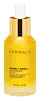
This hydrating oil is formulated around Oenothera Biennis Oil and Honey Extract to hydrate skin and strengthen the skin barrier.
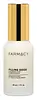
This hydrating serum is formulated around Hyaluronic Acid and Sodium Hyaluronate to hydrate skin and soften the look of wrinkles.

What's inside
What's inside
 Key Ingredients
Benefits
Concerns
Ingredients Side-by-side
Cocoglycerides
Emollient


Caprylic/Capric Triglyceride
Masking

Octyldodecanol
Emollient
Cocos Nucifera Oil
Masking




Crambe Abyssinica Seed Oil
Skin Conditioning
Ethylcellulose
Oenothera Biennis Oil
Emollient

Helianthus Annuus Seed Oil
Emollient
Hibiscus Sabdariffa Seed Oil
Emollient
Rosa Moschata Seed Oil
Emollient
Honey Extract
Humectant
Propolis Extract
Skin Conditioning


Royal Jelly Extract
Skin Conditioning
Hippophae Rhamnoides Oil
Emollient
Hippophae Rhamnoides Seed Oil
Skin Protecting
Helianthus Annuus Extract
Emollient
Citrus Aurantium Bergamia Fruit Oil
Masking

Tocopherol
Antioxidant




Oryza Sativa Bran Extract
Skin Conditioning
Water
Skin ConditioningRosmarinus Officinalis Leaf Extract
AntimicrobialAroma

Limonene
Perfuming
Linalool
Perfuming
Cocoglycerides, Caprylic/Capric Triglyceride, Octyldodecanol, Cocos Nucifera Oil, Crambe Abyssinica Seed Oil, Ethylcellulose, Oenothera Biennis Oil, Helianthus Annuus Seed Oil, Hibiscus Sabdariffa Seed Oil, Rosa Moschata Seed Oil, Honey Extract, Propolis Extract, Royal Jelly Extract, Hippophae Rhamnoides Oil, Hippophae Rhamnoides Seed Oil, Helianthus Annuus Extract, Citrus Aurantium Bergamia Fruit Oil, Tocopherol, Oryza Sativa Bran Extract, Water, Rosmarinus Officinalis Leaf Extract, Aroma, Limonene, Linalool
Water
Skin ConditioningIsoamyl Laurate
Emollient
1,2-Hexanediol
Skin Conditioning
Isopentyldiol
Humectant
Inositol
Humectant
Glycerin
Humectant
Inulin
Skin Conditioning
Arginine
Masking
Dipalmitoyl Hydroxyproline
Skin Conditioning
Hyaluronic Acid
Humectant
Sodium Hyaluronate
Humectant
Thymus Vulgaris Flower/Leaf Extract
MaskingHoney Extract
Humectant
Propolis Extract
Skin Conditioning
Royal Jelly Extract
Skin Conditioning
Sh-Polypeptide-123
Skin Protecting
Curcuma Longa Root Extract
Antioxidant
Diisostearyl Malate
EmollientMaltooligosyl Glucoside
Skin ConditioningPropanediol
Solvent
Bis-Diglyceryl Polyacyladipate-1
Emollient
Hydrogenated Starch Hydrolysate
HumectantGlycogen
HumectantCeratonia Siliqua Gum
EmollientMelia Azadirachta Leaf Extract
Skin ConditioningSodium Phytate
ChelatingMelia Azadirachta Flower Extract
Skin ConditioningCorallina Officinalis Extract
Skin Conditioning
Cellulose
Absorbent
Fructose
Humectant
Glucose
Humectant
Ocimum Basilicum Flower/Leaf Extract
TonicOrmenis Multicaulis Oil
Masking
Ocimum Sanctum Leaf Extract
Skin ConditioningAroma
Arachidyl Alcohol
Emollient
Citrus Aurantium Amara Flower Extract
RefreshingBehenyl Alcohol
Emollient
Sclerotium Gum
Emulsion StabilisingArachidyl Glucoside
EmulsifyingCellulose Gum
Emulsion StabilisingCetearyl Alcohol
Emollient
Lecithin
Emollient
Limonene
Perfuming
Linalool
Perfuming
Xanthan Gum
EmulsifyingWater, Isoamyl Laurate, 1,2-Hexanediol, Isopentyldiol, Inositol, Glycerin, Inulin, Arginine, Dipalmitoyl Hydroxyproline, Hyaluronic Acid, Sodium Hyaluronate, Thymus Vulgaris Flower/Leaf Extract, Honey Extract, Propolis Extract, Royal Jelly Extract, Sh-Polypeptide-123, Curcuma Longa Root Extract, Diisostearyl Malate, Maltooligosyl Glucoside, Propanediol, Bis-Diglyceryl Polyacyladipate-1, Hydrogenated Starch Hydrolysate, Glycogen, Ceratonia Siliqua Gum, Melia Azadirachta Leaf Extract, Sodium Phytate, Melia Azadirachta Flower Extract, Corallina Officinalis Extract, Cellulose, Fructose, Glucose, Ocimum Basilicum Flower/Leaf Extract, Ormenis Multicaulis Oil, Ocimum Sanctum Leaf Extract, Aroma, Arachidyl Alcohol, Citrus Aurantium Amara Flower Extract, Behenyl Alcohol, Sclerotium Gum, Arachidyl Glucoside, Cellulose Gum, Cetearyl Alcohol, Lecithin, Limonene, Linalool, Xanthan Gum
Reviews
Ingredients Explained
These ingredients are found in both products.
Ingredients higher up in an ingredient list are typically present in a larger amount.
Aroma refers to an ingredient, or mixture of ingredients, that impart or mask a flavor.
The name is slightly confusing. This is because INCI associates aroma with flavor instead of smell.
Here is the official definition from the The International Cosmetic Ingredient Dictionary and Handbook:
“Aroma is a term for ingredient labeling used to identify that a product contains a material or combination of materials normally added to a cosmetic to produce or to mask a particular flavor.”
INCI shows the only purpose of aroma to be "flavouring".
However, due to regulation differences, some companies may use aroma in place of parfum.
In Canada, this ingredient only has to be listed in concentrations above 1%.
Learn more about AromaThis ingredient comes from honey made by bees. It is hydrating, antibacterial, anti-aging, and skin soothing.
Honey also contains amino acids, peptides, Vitamins A, C, and E.
The humectant property of honey draws moisture from the air to your skin. This makes it great at helping to hydrate the skin.
Honey may help reduce the signs of aging due to its antioxidant properties. Fun fact: darker honey has more antioxidants than light honey. The antibacterial property of honey may make it effective at helping to treat acne by killing acne-causing bacteria.
Many people wonder if honey extract is vegan. It is technically a byproduct from bees. This is because honey is created from the digestive enzymes in a bee's stomach.
Remember to be kind to bees :) They are important for many ecosystems and are endangered.
Learn more about Honey ExtractLimonene is the compound that gives citrus peel its smell.
In skincare, it shows up as a standalone fragrance ingredient or as a natural compound of citrus and other essential oils.
You'll typically see this ingredient used in very small amounts; anything above 0.001% in a leave-on product or 0.01% in a rinse-off has to be named on the label in the EU. The citrus oils that carry it sit around 0.5-1% in a finished formula.
Fresh limonene is a weak allergen; the real issue is that it slowly reacts with air and then breaks down from oxidation to create hydroperoxides (which are strong sensitizers). This is why suppliers are required to keep the peroxide value below 20 mmol.
Positive reactions in people being investigated for eczema vary:
It's worth skipping if you have a known fragrance allergy or a compromised barrier, but the risk is low for most people.
Older or long-opened products are also more likely to bother you than fresh ones due to oxidation.
Learn more about LimoneneLinalool is a small, naturally occurring scent molecule found in plants like lavender, coriander, bergamot, and more.
It is one of the two most-used fragrance ingredients in cosmetics and added purely for smell. Since it's not used for a skin benefit, there's no "effective dose". Concentration depends on the fragrance load of the product.
The EU requires it to be named on the label above 0.001% in leave-on and 0.01% in rinse-off products.
Fresh linalool is a weak sensitizer but air exposure turns some of it into hydroperoxides, which are strong sensitizers. Those oxidation products are the actual allergy concern.
Patch-test clinics see positive reactions to linalool hydroperoxides in about 4% to 12% of dermatitis patients depending on country and test concentration.
Resassuringly, one analytical study found hydroperoxide levels in real fragranced products to be orders of magnitude below what induced sensitization in animal studies with no evidence of oxidation building up during normal storage.
The practical takeaway is that linalool is fine for most people but worth avoiding if you have a confirmed fragrance contact allergy or a badly compromised barrier.
Products stored a long time after opening are also the high-risk scenario since that is when oxidation happens.
The scent of linalool is described as floral, spicy tropical, and citrus-like.
Learn more about LinaloolPropolis Extract is a natural ingredient derived from propolis (also known as bee glue). Bees make propolis by mixing their saliva and beeswax with resins collected from tree buds and plants.
This ingredient is packed with bioactive compounds like flavonoids, phenolic acids, and amino acids that give it antioxidant and anti-inflammatory properties.
Research shows it can help:
It also pairs nicely with hydrating ingredients like niacinamide and ceramides.
Just so you know, Propolis Extract is recognized as a contact allergen. In patch tests done in the EU, roughly 1-6% of patients react to it. Be sure to steer clear of this ingredient if you have a known allergy to bee products.
Since it is an animal-derived product, this ingredient is not considered vegan. For vegan alternatives, check out Galactomyces Ferment Filtrate or Centella Asiatica Extract.
Learn more about Propolis ExtractRoyal Jelly Extract comes from a secretion made by worker honeybees. This secretion is white and described as creamy.
This compound has antibacterial, anti-aging, and anti-inflammatory properties.
Studies show Royal Jelly to contain amino acids, fatty acids, and a variety of vitamins, including Vitamin Bs. Many of these components are antioxidants, which help with anti-aging. The fatty acids in Royal Jelly make it a hydrating ingredient.
Several animal studies show Royal Jelly to boost collagen production and reduce inflammation.
The Vitamin Bs found in Royal Jelly include:
Royal Jelly is derived from honeybees. This means it is not vegan.
Learn more about Royal Jelly ExtractWater. It's the most common cosmetic ingredient of all. You'll usually see it at the top of ingredient lists, meaning that it makes up the largest part of the product.
So why is it so popular? Water most often acts as a solvent - this means that it helps dissolve other ingredients into the formulation.
You'll also recognize water as that liquid we all need to stay alive. If you see this, drink a glass of water. Remember to stay hydrated!
Learn more about Water

