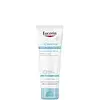
This barrier-repair moisturizer is formulated around Ceramide NP and Oenothera Biennis Oil to strengthen the skin barrier and calm redness.
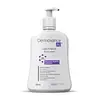
This barrier-repair moisturizer is formulated around Butyrospermum Parkii Butter and Ceramide Ng to strengthen the skin barrier and hydrate skin.


What's inside
What's inside
 Key Ingredients
Benefits
Concerns
Ingredients Side-by-side
Glycerin
Humectant


Ethylhexylglycerin
Skin Conditioning1,2-Hexanediol
Skin Conditioning
Xanthan Gum
EmulsifyingHydroxyacetophenone
Antioxidant
Sodium PCA
Humectant
Ceramide NP
Skin Conditioning


Butyrospermum Parkii Butter
Skin Conditioning




Phytosphingosine
Skin Conditioning
Oenothera Biennis Oil
Emollient
Caprylic/Capric Triglyceride
Masking
Tocopherol
Antioxidant


Sodium Hydroxide
BufferingAscorbyl Palmitate
Antioxidant
Sodium Citrate
BufferingCitric Acid
Buffering
Helianthus Annuus Seed Oil
Emollient
Phenoxyethanol
Preservative
Hydrogenated Coco-Glycerides
Emollient
Cetearyl Alcohol
Emollient
Glycyrrhiza Inflata Root Extract
Skin Conditioning
Vitis Vinifera Seed Oil
Emollient
Decylene Glycol
Skin ConditioningGlyceryl Stearate Citrate
Emollient
Glycine
Buffering
Hydroxypropyl Starch Phosphate
Oleic Acid
Emollient
Glycerin, Ethylhexylglycerin, 1,2-Hexanediol, Xanthan Gum, Hydroxyacetophenone, Sodium PCA, Ceramide NP, Butyrospermum Parkii Butter, Phytosphingosine, Oenothera Biennis Oil, Caprylic/Capric Triglyceride, Tocopherol, Sodium Hydroxide, Ascorbyl Palmitate, Sodium Citrate, Citric Acid, Helianthus Annuus Seed Oil, Phenoxyethanol, Hydrogenated Coco-Glycerides, Cetearyl Alcohol, Glycyrrhiza Inflata Root Extract, Vitis Vinifera Seed Oil, Decylene Glycol, Glyceryl Stearate Citrate, Glycine, Hydroxypropyl Starch Phosphate, Oleic Acid
1,2-Hexanediol
Skin Conditioning
Water
Skin ConditioningAscorbyl Palmitate
Antioxidant
BHT
Antioxidant
Butyrospermum Parkii Butter
Skin Conditioning
Butyrospermum Parkii Butter Unsaponifiables
Skin Conditioning
Caprylic/Capric Triglyceride
Masking
Ceramide Ng
Skin Conditioning
Citric Acid
Buffering
Disodium EDTA
ChelatingGlycerin
Humectant
Hydroxyacetophenone
Antioxidant
Lactobacillus Ferment
Skin Conditioning
Lecithin
Emollient
Maltodextrin
Absorbent
Niacinamide
Smoothing




PEG-60 Hydrogenated Castor Oil
Emulsifying
PEG-8
HumectantSaccharide Isomerate
Humectant
Sodium Citrate
BufferingSodium Polyacrylate
Absorbent
Glycine Soja Oil
Emollient
Squalane
Emollient
1,2-Hexanediol, Water, Ascorbyl Palmitate, BHT, Butyrospermum Parkii Butter, Butyrospermum Parkii Butter Unsaponifiables, Caprylic/Capric Triglyceride, Ceramide Ng, Citric Acid, Disodium EDTA, Glycerin, Hydroxyacetophenone, Lactobacillus Ferment, Lecithin, Maltodextrin, Niacinamide, PEG-60 Hydrogenated Castor Oil, PEG-8, Saccharide Isomerate, Sodium Citrate, Sodium Polyacrylate, Glycine Soja Oil, Squalane
Ingredients Explained
These ingredients are found in both products.
Ingredients higher up in an ingredient list are typically present in a larger amount.
1,2-Hexanediol is a synthetic liquid and another multi-functional powerhouse.
It is a:
- Humectant, drawing moisture into the skin
- Emollient, helping to soften skin
- Solvent, dispersing and stabilizing formulas
- Preservative booster, enhancing the antimicrobial activity of other preservatives
Ascorbyl Palmitate is a fat-soluble form of vitamin C (Ascorbic Acid) made by combining it with palmitic acid.
It is able to blend easily into creams and oil-based formulas because it dissolves in oils rather than water.
As you may know, regular vitamin C is notorious for breaking down when exposed to sunlight and air. Ascorbyl Palmitate is more stable and degrades at a slower rate.
Research on whether it converts efficiently into active vitamin C once it's applied on your skin is still limited.
Some in-vitro studies suggest it may support collagen production, but it is not considered one of the stronger vitamin C derivatives, like:
Due to the palmitic acid base, this ingredient may not be fungal acne safe. Comedogenic studies have also shown this ingredient to have a rating of 2.
It's also worth keeping in mind that comedogenic and irritancy ratings are tested on individual ingredients, not finished formulas. The final product's formulation, concentration, and other ingredients all play a role in how something actually behaves on your skin.
Learn more about Ascorbyl PalmitateThis ingredient is also known as shea butter. It is a plant-derived extract from the nuts of the Africa shea tree and one of the most well-studied emollients.
Because it has a high concentration of fatty acids (primarily oleic, stearic, and linoleic) it is able to form a protective barrier on the skin's surface. This helps seal in moisture and prevents transepidermal water loss (TEWL).
In vitro research found an increase in skin hydration by 58% and a decrease in TEWL by 37.8% after 24 hours of applying this ingredient (pretty impressive for a single ingredient!).
Besides hydration, shea butter also contains triterpenes that have anti-inflammatory potential. In particule, lupeol cinnamate has shown the highest anti-inflammatory activity in vivo.
Shea butter also contains vitamins A and E which may contribute to antioxidant activity.
While Shea Butter has an SPF rating of about 3-4, it is not a sunscreen replacement.
This ingredient may not be fungal acne safe because its fatty acids fall within the C11-C24 range that the Malassezia yeast can metabolize.
This ingredient shows up on a lot of "pore-clogging" lists but there's no real evidence behind that. It doesn't even have a comedogenic rating from an actual study; the numbers you'll find online come from blogs citing other blogs.
Ratings for other ingredients mostly come from a 1980s rabbit ear test. This test doesn't translate well to human skin or to real products because the ingredient sits at a much lower percentage.
Some people still find it breaks them out. So if that's you, definitely trust your skin. Just know this one's based on experience and not evidence.
Learn more about Butyrospermum Parkii ButterCaprylic/Capric Triglyceride (aka MCT Oil) is a lightweight emollient, solvent, and texture enhancer. It is considered a skin-softener by helping to prevent moisture loss.
Though it behaves like an oil, it is not technically one due to its chemical composition. One perk of this ingredient is that it is very stable, resistant to oxidation, and unlikely to go rancid.
In practice, that translates to a long shelf life and a consistently elegant skin feel.
While there is an assumption Caprylic Triglyceride can clog pores due to it being derived from coconut oil, there is no research supporting this. Just patch test if you have concerns.
Fractionated coconut oil and MCT Oil are both listed as Caprylic/Capric Triglyceride according to INCI. This is because INCI names are based on the ingredient’s final chemical composition and not its marketing name or source.
This ingredient is treated as the gold standard fungal acne safe oil. Even though it is coconut derived, the problematic lauric acid is stripped out.
This leaves just caprylic (C8) and capric (C10) acid. These chain lengths actually trend antifungal; a 2020 study found caprylic acid was enough to disrupt Malassezia furfur cell membrane, with a caprylic acid derivative damaging membrane structures at concentrations as low as 0.2%.
Learn more about Caprylic/Capric TriglycerideCitric Acid is an alpha hydroxy acid (AHA) naturally found in citrus fruits like oranges, lemons, and limes.
Like other AHAs, citric acid can exfoliate skin by breaking down the bonds that hold dead skin cells together. This helps reveal smoother and brighter skin underneath.
However, this exfoliating effect only happens at high concentrations (20%) which can be hard to find in cosmetic products.
Due to this, citric acid is usually included in small amounts as a pH adjuster. This helps keep products slightly more acidic and compatible with skin's natural pH.
In skincare formulas, citric acid can:
While it can provide some skin benefits, research shows lactic acid and glycolic acid are generally more effective and less irritating exfoliants.
Most citric acid used in skincare today is made by fermenting sugars (usually from molasses). This synthetic version is identical to the natural citrus form but easier to stabilize and use in formulations.
Rosacea skin has a lower threshold for acids generally, with 62.5% of rosacea subjects in one study reacting to lactic acid in a sting test. This is why we mark citric acid as a potential rosacea trigger.
However, this ingredient shows up as a pH adjuster or chelator at roughly 0.1-1% in many products. These low levels are unlikely to be an issue for rosacea skin and becomes a potential trigger at exfoliating concentrations (20%). Because everybody's skin is unique, we recommend a patch test if you are unsure.
Learn more about Citric AcidGlycerin (or glycerol) is a compound naturally found in your skin. It's a powerhouse humectant that pulls water into the stratum corneum.
Topically, glycerin does several things at once:
Your skin makes glycerin on its own (mostly from sebaceous oil breakdown) and shuttles it to your outermost layer of skin, or your epidermis, via aquaporin-3.
Aquaporin-3 is a transporter that is essential for normal skin hydration, elasticity, and repair. Interestingly, mice lacking in AQP3 have dry and less elastic skin that can be fully corrected with glycerin.
This ingredient is non-irritating, plays well with almost every ingredient, and works across all skin types. Typical use is anywhere between 3-10% but can go up to 79% in some leave-on products.
Just know very high concentrations (>40%) can feel tacky in low humidity.
Glycerin is the name for this ingredient in American English. British English uses Glycerol/Glycerine.
Learn more about GlycerinHydroxyacetophenone is a small phenolic molecule that earns its place in a formulas as an antioxidant and preservative booster.
As a phenol, it is able to neutralize free radicals to protect both the product and the skin from oxidative stress.
Though it can't kill microbes on its own, it works as a good supporting agent when combined with other preservatives like Phenoxyethanol or 1,2-Hexanediol.
This ingredient naturally occurs as piceol in Norwegian spruce needles (~0.4-1.1% dry weight and in cloudberries). Though the cosmetic-grade material is synthesized for purity and consistency.
You'll usually see it used at low levels and suppliers recommend up to 1% added to a water phase.
Safety testing was done at concentrations like 0.05% in SPF products and 0.5% in a Human Repeated Insult Patch Test. The safety evidence is assuring; this ingredient is safe for cosmetics in current use and also holds safety status as a food flavoring as well.
An honest caveat: the "soothing" and "anti-inflammatory" claims come mostly from supplier marketing rather than published clinical trials. The Cosmetic Ingredient Review's own literature search found no useful efficacy studies on this ingredient.
So the antioxidant and preservative-boosting roles are the well supported ones while the calming benefit is plausible but thinly evidenced.
Overall, this is a well-tolerated, low-irritation multitasker that quietly helps a formula stay fresh and stable.
Learn more about HydroxyacetophenoneSodium Citrate is the sodium salts of citric acid. In skincare, it is used to alter pH levels and acts as a preservative.
Its main functions are to maintain the pH of a product and neutralize metal ions.
The acidity of our skin is maintained by our glands and skin biome; normal pH level of skin is slightly acidic (~4.75-5.5).
Being slightly acidic allows our skin to create an "acid mantle". This acid mantle is a thin barrier that protects our skin from bacteria and contaminants.
Learn more about Sodium Citrate

