

What's inside
What's inside
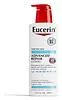 Key Ingredients
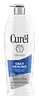
Benefits
Concerns
Ingredients Side-by-side
Glycerin
Humectant


Urea
Buffering


Cetearyl Alcohol
Emollient





Glyceryl Glucoside
Humectant
Cyclomethicone
Emollient
Sodium Lactate
Buffering
Butyrospermum Parkii Butter
Skin Conditioning
Caprylic/Capric Triglyceride
Masking
Methylpropanediol
SolventOctyldodecanol
Emollient
Dicaprylyl Ether
Emollient
Tapioca Starch
Glyceryl Stearate Se
Emulsifying
Hydrogenated Coco-Glycerides
Emollient
Arginine Hcl
Skin ConditioningSodium PCA
Humectant
Dimethiconol
Emollient
Lactic Acid
Buffering






Carnitine
Cleansing
Ceramide NP
Skin Conditioning

Mannitol
Humectant
Serine
Masking
Sucrose
Humectant
Citrulline
Skin ConditioningGlycogen
HumectantAlanine
Masking
Threonine
Glutamic Acid
Humectant
Sodium Chloride
MaskingSodium Cetearyl Sulfate
Cleansing
1,2-Hexanediol
Skin Conditioning
Glycerin, Urea, Cetearyl Alcohol, Glyceryl Glucoside, Cyclomethicone, Sodium Lactate, Butyrospermum Parkii Butter, Caprylic/Capric Triglyceride, Methylpropanediol, Octyldodecanol, Dicaprylyl Ether, Tapioca Starch, Glyceryl Stearate Se, Hydrogenated Coco-Glycerides, Arginine Hcl, Sodium PCA, Dimethiconol, Lactic Acid, Carnitine, Ceramide NP, Mannitol, Serine, Sucrose, Citrulline, Glycogen, Alanine, Threonine, Glutamic Acid, Sodium Chloride, Sodium Cetearyl Sulfate, 1,2-Hexanediol
Water
Skin ConditioningGlycerin
Humectant
Distearyldimonium Chloride
Petrolatum
Emollient
Isopropyl Palmitate
Emollient
Cetyl Alcohol
Emollient
Dimethicone
Emollient
Methylparaben
Preservative


Ethylparaben
Preservative
Parfum
Masking

Sodium Chloride
MaskingCetyl-Pg Hydroxyethyl Palmitamide
Skin ConditioningButylene Glycol
Humectant
Butyrospermum Parkii Butter
Skin Conditioning
Eucalyptus Globulus Leaf Extract
Perfuming
Sodium Lauroyl Lactylate
EmulsifyingAcacia Senegal Gum
MaskingGelatin
Ceramide NP
Skin Conditioning
Ceramide AP
Skin Conditioning
Acetylphytosphingosine
Skin ConditioningCarbomer
Emulsion StabilisingXanthan Gum
EmulsifyingCeramide EOP
Skin Conditioning
Water, Glycerin, Distearyldimonium Chloride, Petrolatum, Isopropyl Palmitate, Cetyl Alcohol, Dimethicone, Methylparaben, Ethylparaben, Parfum, Sodium Chloride, Cetyl-Pg Hydroxyethyl Palmitamide, Butylene Glycol, Butyrospermum Parkii Butter, Eucalyptus Globulus Leaf Extract, Sodium Lauroyl Lactylate, Acacia Senegal Gum, Gelatin, Ceramide NP, Ceramide AP, Acetylphytosphingosine, Carbomer, Xanthan Gum, Ceramide EOP
Reviews
Ingredients Explained
These ingredients are found in both products.
Ingredients higher up in an ingredient list are typically present in a larger amount.
This ingredient is also known as shea butter. It is a plant-derived extract from the nuts of the Africa shea tree and one of the most well-studied emollients.
Because it has a high concentration of fatty acids (primarily oleic, stearic, and linoleic) it is able to form a protective barrier on the skin's surface. This helps seal in moisture and prevents transepidermal water loss (TEWL).
In vitro research found an increase in skin hydration by 58% and a decrease in TEWL by 37.8% after 24 hours of applying this ingredient (pretty impressive for a single ingredient!).
Besides hydration, shea butter also contains triterpenes that have anti-inflammatory potential. In particule, lupeol cinnamate has shown the highest anti-inflammatory activity in vivo.
Shea butter also contains vitamins A and E which may contribute to antioxidant activity.
While Shea Butter has an SPF rating of about 3-4, it is not a sunscreen replacement.
This ingredient may not be fungal acne safe because its fatty acids fall within the C11-C24 range that the Malassezia yeast can metabolize.
This ingredient shows up on a lot of "pore-clogging" lists but there's no real evidence behind that. It doesn't even have a comedogenic rating from an actual study; the numbers you'll find online come from blogs citing other blogs.
Ratings for other ingredients mostly come from a 1980s rabbit ear test. This test doesn't translate well to human skin or to real products because the ingredient sits at a much lower percentage.
Some people still find it breaks them out. So if that's you, definitely trust your skin. Just know this one's based on experience and not evidence.
Learn more about Butyrospermum Parkii ButterCeramide NP (formerly known as Ceramide 3) is one of the skin's naturally occurring lipids.
Since ceramides are the major lipid components of the skin, they are crucial for maintaining skin barrier and hydration. Ceramide NP most closely mirrors the dominant kind in human skin amongst ceramide subtypes.
This ceramide works by slotting into gaps within the stratum corneum's lipid matrix to limit trans-epidermal water loss (TEWL) and shield the skin against external irritants.
A study with 312 patients found that using a ceramide-containing routine for 4 weeks reduced the severity of atopic dermatitis by over 61%.
Another clinical study in subjects aged 60 and older found that a ceramide body wash and moisturizer improved skin dryness and itchy skin in 15 days.
Overall, ceramides are considered non-irritating and safety tests have found little to no observable adverse effects from using this ingredient.
Ceramide NP is usually sourced from plants (like soybean or rice bran), or produced synthetically.
Learn more about Ceramide NPGlycerin (or glycerol) is a compound naturally found in your skin. It's a powerhouse humectant that pulls water into the stratum corneum.
Topically, glycerin does several things at once:
Your skin makes glycerin on its own (mostly from sebaceous oil breakdown) and shuttles it to your outermost layer of skin, or your epidermis, via aquaporin-3.
Aquaporin-3 is a transporter that is essential for normal skin hydration, elasticity, and repair. Interestingly, mice lacking in AQP3 have dry and less elastic skin that can be fully corrected with glycerin.
This ingredient is non-irritating, plays well with almost every ingredient, and works across all skin types. Typical use is anywhere between 3-10% but can go up to 79% in some leave-on products.
Just know very high concentrations (>40%) can feel tacky in low humidity.
Glycerin is the name for this ingredient in American English. British English uses Glycerol/Glycerine.
Learn more about GlycerinChances are, you eat sodium chloride every day. Sodium Chloride is also known as table salt. This ingredient has many purposes in skincare: thickener, emulsifier, and exfoliator.
You'll most likely find this ingredient in cleansers where it is used to create a gel-like texture. As an emulsifier, it also prevents ingredients from separating.
You might see people debate whether Sodium Chloride is comedogenic, but there actually haven't been any comedogenic tests done on it. Either way, the overall formulation of a product matters a lot more than any single ingredient.
You might see this ingredient used in scrubs as a primary exfoliating ingredient.
Learn more about Sodium Chloride

