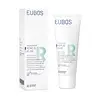
This calming day moisturizer is formulated around Ectoin and Panthenol to calm redness and strengthen the skin barrier.
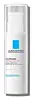
This calming moisturizer is formulated around Sphingomonas Ferment Extract and Acetyl Dipeptide-1 Cetyl Ester to calm redness.


What's inside
What's inside
 Key Ingredients
Benefits
Concerns
Ingredients Side-by-side
Water
Skin ConditioningDibutyl Adipate
EmollientC12-15 Alkyl Benzoate
AntimicrobialCetearyl Alcohol
Emollient






Silica
Abrasive


Diethylamino Hydroxybenzoyl Hexyl Benzoate
UV Filter
Glycerin
Humectant


Ethylhexyl Triazone
UV Absorber
CI 77891
Cosmetic ColorantGlyceryl Undecylenate
Emollient
Bis-Ethylhexyloxyphenol Methoxyphenyl Triazine
UV Absorber
Glyceryl Stearate
Emollient
Titanium Dioxide
Cosmetic Colorant
Cetyl Alcohol
Emollient
Cetearyl Glucoside
Emulsifying
Ectoin
Skin Conditioning



Panthenol
Skin Conditioning
Phenylbenzimidazole Sulfonic Acid
UV Absorber
Hydroxyacetophenone
Antioxidant
Sodium Stearoyl Glutamate
CleansingXanthan Gum
EmulsifyingGlyceryl Glucoside
Humectant
Sodium Hydroxide
BufferingTocopherol
Antioxidant


Bisabolol
Antioxidant
Tetrasodium Tetracarboxymethyl Naringeninchalcone
Skin ConditioningLecithin
Emollient
Sclerotium Gum
Emulsion StabilisingTetrasodium Iminodisuccinate
ChelatingPullulan
Sodium Sulfate
Helichrysum Italicum Extract
AntiseborrhoeicSodium Chloride
MaskingMica
Cosmetic ColorantTin Oxide
Abrasive
CI 42051
Cosmetic ColorantCI 77288
Cosmetic ColorantWater, Dibutyl Adipate, C12-15 Alkyl Benzoate, Cetearyl Alcohol, Silica, Diethylamino Hydroxybenzoyl Hexyl Benzoate, Glycerin, Ethylhexyl Triazone, CI 77891, Glyceryl Undecylenate, Bis-Ethylhexyloxyphenol Methoxyphenyl Triazine, Glyceryl Stearate, Titanium Dioxide, Cetyl Alcohol, Cetearyl Glucoside, Ectoin, Panthenol, Phenylbenzimidazole Sulfonic Acid, Hydroxyacetophenone, Sodium Stearoyl Glutamate, Xanthan Gum, Glyceryl Glucoside, Sodium Hydroxide, Tocopherol, Bisabolol, Tetrasodium Tetracarboxymethyl Naringeninchalcone, Lecithin, Sclerotium Gum, Tetrasodium Iminodisuccinate, Pullulan, Sodium Sulfate, Helichrysum Italicum Extract, Sodium Chloride, Mica, Tin Oxide, CI 42051, CI 77288
Water
Skin ConditioningGlycerin
Humectant
Isostearyl Neopentanoate
Emollient
Butylene Glycol
Humectant
Boron Nitride
Absorbent
Butyrospermum Parkii Butter
Skin Conditioning
CI 77891
Cosmetic ColorantPentylene Glycol
Skin Conditioning
Hydrogenated Coco-Glycerides
Emollient
Polysorbate 20
Emulsifying
Zea Mays Starch
Absorbent
Schisandra Sphenanthera Fruit Extract
Antioxidant
Tin Oxide
Abrasive
Sorbitan Oleate
Emulsifying
Glyceryl Acrylate/Acrylic Acid Copolymer
HumectantGlyceryl Stearate Citrate
Emollient
Isohexadecane
EmollientSphingomonas Ferment Extract
Skin Conditioning
Silica
Abrasive
Aluminum Hydroxide
EmollientMannitol
Humectant
Ammonium Polyacryloyldimethyl Taurate
Emulsion StabilisingHydrogenated Lecithin
Emulsifying
Caprylyl Glycol
Emollient
Citric Acid
Buffering
Trisodium Ethylenediamine Disuccinate
ChelatingAcetyl Dipeptide-1 Cetyl Ester
Skin Conditioning
Maltodextrin
Absorbent
Polysorbate 80
Emulsifying
Acrylamide/Sodium Acryloyldimethyltaurate Copolymer
Emulsion StabilisingMica
Cosmetic ColorantCI 77288
Cosmetic ColorantCI 77491
Cosmetic ColorantCI 77492
Cosmetic ColorantCI 77499
Cosmetic ColorantWater, Glycerin, Isostearyl Neopentanoate, Butylene Glycol, Boron Nitride, Butyrospermum Parkii Butter, CI 77891, Pentylene Glycol, Hydrogenated Coco-Glycerides, Polysorbate 20, Zea Mays Starch, Schisandra Sphenanthera Fruit Extract, Tin Oxide, Sorbitan Oleate, Glyceryl Acrylate/Acrylic Acid Copolymer, Glyceryl Stearate Citrate, Isohexadecane, Sphingomonas Ferment Extract, Silica, Aluminum Hydroxide, Mannitol, Ammonium Polyacryloyldimethyl Taurate, Hydrogenated Lecithin, Caprylyl Glycol, Citric Acid, Trisodium Ethylenediamine Disuccinate, Acetyl Dipeptide-1 Cetyl Ester, Maltodextrin, Polysorbate 80, Acrylamide/Sodium Acryloyldimethyltaurate Copolymer, Mica, CI 77288, CI 77491, CI 77492, CI 77499
Reviews
Ingredients Explained
These ingredients are found in both products.
Ingredients higher up in an ingredient list are typically present in a larger amount.
Ci 77288 is used to add green pigment to products.
Ci 77891 is a white pigment from Titanium dioxide. It is naturally found in minerals such as rutile and ilmenite.
It's main function is to add a white color to cosmetics. It can also be mixed with other colors to create different shades.
Ci 77891 is commonly found in sunscreens due to its ability to block UV rays.
Learn more about CI 77891Glycerin (or glycerol) is a compound naturally found in your skin. It's a powerhouse humectant that pulls water into the stratum corneum.
Topically, glycerin does several things at once:
Your skin makes glycerin on its own (mostly from sebaceous oil breakdown) and shuttles it to your outermost layer of skin, or your epidermis, via aquaporin-3.
Aquaporin-3 is a transporter that is essential for normal skin hydration, elasticity, and repair. Interestingly, mice lacking in AQP3 have dry and less elastic skin that can be fully corrected with glycerin.
This ingredient is non-irritating, plays well with almost every ingredient, and works across all skin types. Typical use is anywhere between 3-10% but can go up to 79% in some leave-on products.
Just know very high concentrations (>40%) can feel tacky in low humidity.
Glycerin is the name for this ingredient in American English. British English uses Glycerol/Glycerine.
Learn more about GlycerinMica is a naturally occurring mineral used to add shimmer and color in cosmetics. It can also help improve the texture of a product or give it an opaque, white/silver color.
Serecite is the name for very fine but ragged grains of mica.
This ingredient is often coated with metal oxides like titanium dioxide. Trace amounts of heavy metals may be found in mica, but these metals are not harmful in our personal products.
Mica has been used since prehistoric times throughout the world. Ancient Egyptian, Indian, Greek, Roman, Aztec, and Chinese civilizations have used mica.
Learn more about MicaSilica, also known as silicon dioxide, is a naturally occurring mineral. It is used as a fine, spherical, and porous powder in cosmetics.
Though it has exfoliant properties, the function of silica varies depending on the product.
The unique structure of silica enhances the spreadability and adds smoothness, making it a great texture enhancer.
It is also used as an active carrier, emulsifier, and mattifier due to its ability to absorb excess oil.
In some products, tiny microneedles called spicules are made from silica or hydrolyzed sponge. When you rub them in, they lightly polish away dead skin layers and enhance the penetration of active ingredients.
Learn more about SilicaTin Oxide is an inorganic oxide used to add opacity and volume to a product. In nature, it is already found in mineral form. The main ore of tin is an opaque and shiny mineral called casseterite.
Tin Oxide helps remove translucency in a product, or make it more opaque. Besides adding opacity, tin oxide is used for bulking to add volume.
Water. It's the most common cosmetic ingredient of all. You'll usually see it at the top of ingredient lists, meaning that it makes up the largest part of the product.
So why is it so popular? Water most often acts as a solvent - this means that it helps dissolve other ingredients into the formulation.
You'll also recognize water as that liquid we all need to stay alive. If you see this, drink a glass of water. Remember to stay hydrated!
Learn more about Water

