Etude House Soon Jung pH 6.5 Whip Cleanser Versus Etude House Soon Jung X Director's Mineral Filter Sun Cream SPF50+ PA++++
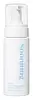
This mild foaming cleanser is made to cleanse while calming and soothing your skin.
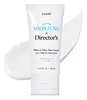
This hybrid sunscreen covers the full UV range and blocks ~98% of UVB at SPF 50.

What's inside
What's inside
 Key Ingredients
Benefits
Concerns
No concerns
Ingredients Side-by-side

Water
Skin ConditioningIsononyl Isononanoate
EmollientZinc Oxide
Cosmetic Colorant


Propanediol
Solvent

C12-15 Alkyl Benzoate
AntimicrobialButyloctyl Salicylate
Skin Conditioning
Titanium Dioxide
Cosmetic Colorant
Silica
Abrasive

Hexyl Laurate
Emollient

Acrylates Copolymer
Isotridecyl Isononanoate
EmollientPolyglyceryl-4 Diisostearate/Polyhydroxystearate/Sebacate
Emulsifying
Polyglyceryl-2 Isostearate
Emulsifying
Polyglyceryl-2 Dipolyhydroxystearate
Skin Conditioning
Magnesium Sulfate
1,2-Hexanediol
Skin Conditioning
Disteardimonium Hectorite
StabilisingDimethicone Crosspolymer
Emulsion Stabilising
Vp/Hexadecene Copolymer
Coco-Caprylate/Caprate
Emollient
Polyhydroxystearic Acid
Emulsifying
Polyglyceryl-6 Polyricinoleate
Emulsifying
Sorbitan Sesquioleate
Emulsifying
Triethoxycaprylylsilane
Centella Asiatica Extract
Cleansing




Poly C10-30 Alkyl Acrylate
Emulsion StabilisingAluminum Hydroxide
EmollientSorbitan Isostearate
Emulsifying
Stearic Acid
Cleansing
Polyglyceryl-6 Polyhydroxystearate
Emulsifying
Pvp
Emulsion StabilisingCentella Asiatica Flower/Leaf/Stem Extract
Skin Conditioning
Polyglycerin-6
HumectantEthylhexylglycerin
Skin ConditioningTocopherol
Antioxidant



Ascorbyl Palmitate
Antioxidant
Panthenol
Skin Conditioning
Madecassoside
Antioxidant
Asiaticoside
Antioxidant
Centella Asiatica Leaf Extract
Skin Conditioning
Water, Isononyl Isononanoate, Zinc Oxide, Propanediol, C12-15 Alkyl Benzoate, Butyloctyl Salicylate, Titanium Dioxide, Silica, Hexyl Laurate, Acrylates Copolymer, Isotridecyl Isononanoate, Polyglyceryl-4 Diisostearate/Polyhydroxystearate/Sebacate, Polyglyceryl-2 Isostearate, Polyglyceryl-2 Dipolyhydroxystearate, Magnesium Sulfate, 1,2-Hexanediol, Disteardimonium Hectorite, Dimethicone Crosspolymer, Vp/Hexadecene Copolymer, Coco-Caprylate/Caprate, Polyhydroxystearic Acid, Polyglyceryl-6 Polyricinoleate, Sorbitan Sesquioleate, Triethoxycaprylylsilane, Centella Asiatica Extract, Poly C10-30 Alkyl Acrylate, Aluminum Hydroxide, Sorbitan Isostearate, Stearic Acid, Polyglyceryl-6 Polyhydroxystearate, Pvp, Centella Asiatica Flower/Leaf/Stem Extract, Polyglycerin-6, Ethylhexylglycerin, Tocopherol, Ascorbyl Palmitate, Panthenol, Madecassoside, Asiaticoside, Centella Asiatica Leaf Extract
Reviews
Ingredients Explained
These ingredients are found in both products.
Ingredients higher up in an ingredient list are typically present in a larger amount.
Ethylhexylglycerin is created from glycerin. It is a multitasker ingredient that:
The CIR Expert Panel found minimal skin absorption or sensitization of any kind in a safety assessment. Though this ingredient is considered well-tolerated, a small number of cases of allergic dermatitis have been published since 2002. Just be sure to patch test if you are unsure.
Industry-reported use ranges from 8% in rinse-off products and 2% in leave-on formulations.
Learn more about EthylhexylglycerinMadecassoside is one of four active compounds found in Centella asiatica and is one of the main reasons Centella is so effective at calming irritated skin and supporting the moisture barrier.
There's a solid body of peer-reviewed research backing Madecassoside for several skin benefits. Studies have found:
Madecassoside pairs well with other hydrating or antioxidant ingredients like Ascorbic Acid or Hyaluronic Acid.
Learn more about MadecassosidePanthenol is a common ingredient that helps hydrate and soothe the skin. It is found naturally in our skin and hair.
There are two forms of panthenol: D and L.
D-panthenol is also known as dexpanthenol. Most cosmetics use dexpanthenol or a mixture of D and L-panthenol.
Panthenol is famous due to its ability to go deeper into the skin's layers. Using this ingredient has numerous pros (and no cons):
Like hyaluronic acid, panthenol is a humectant. Humectants are able to bind and hold large amounts of water to keep skin hydrated.
This ingredient works well for wound healing. It works by increasing tissue in the wound and helps close open wounds.
Once oxidized, panthenol converts to pantothenic acid. Panthothenic acid is found in all living cells.
This ingredient is also referred to as pro-vitamin B5.
Learn more about PanthenolPropanediol is an all-star ingredient. It softens, hydrates, and smooths the skin.
It’s often used to:
Propanediol is not likely to cause sensitivity and considered safe to use. It is derived from corn or petroleum with a clear color and no scent.
Learn more about PropanediolTocopherol is a fat-soluble antioxidant known as Vitamin E.
You'll find this ingredient in the vast majority of skincare (for good reason). It works to neutralize free radicals, or unstable molecules generated by UV exposure, pollution, and other environmental stressors, before they can cause oxidative damage to your skin cells.
Topically applied tocopherol has been shown to protect against UV damage by ramping up the skin's own natural defense enzymes.
It also acts as a skin conditioning agent; some studies show that regular topical use can improve the skin's water-binding capacity over 2-4 weeks.
This ingredient is especially loved for being a team player. When combined with Vitamin C, the photoprotective effect of both ingredients roughly doubles and the combo also helps reduce UV-induced DNA damage.
This ingredient has some brightening potential but it's more of a prevention ingredient than spot-fader. Cell studies show it can slow down melanin production but it's worth noting that it's not the most powerful brightener out there.
In formulations, it also serves as a stabilizer that helps protect other oxidation-prone ingredients from degrading.
Concentrations usually range from 0.1-1% in most leave-on products.
Learn more about TocopherolWater. It's the most common cosmetic ingredient of all. You'll usually see it at the top of ingredient lists, meaning that it makes up the largest part of the product.
So why is it so popular? Water most often acts as a solvent - this means that it helps dissolve other ingredients into the formulation.
You'll also recognize water as that liquid we all need to stay alive. If you see this, drink a glass of water. Remember to stay hydrated!
Learn more about Water

