
What's inside
What's inside
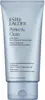 Key Ingredients
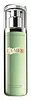
Benefits
Concerns
Ingredients Side-by-side
Water
Skin ConditioningMyristic Acid
Cleansing




Glycerin
Humectant

Behenic Acid
Cleansing
Potassium Hydroxide
BufferingPalmitic Acid
Emollient
Sodium Methyl Cocoyl Taurate
Cleansing
Lauric Acid
Cleansing
Stearic Acid
Cleansing
Sucrose
Humectant
Montmorillonite
AbsorbentSilybum Marianum Extract
Skin Conditioning
Gentiana Lutea Root Extract
Skin ConditioningAlgae Extract
EmollientSodium Hyaluronate
Humectant

Sorbitol
Humectant
Caffeine
Skin Conditioning
Zinc PCA
Humectant



PEG-3 Distearate
Emulsifying
Kaolin
Abrasive
Parfum
Masking


Disodium EDTA
Methylchloroisothiazolinone
Preservative
Methylisothiazolinone
Preservative
Water, Myristic Acid, Glycerin, Behenic Acid, Potassium Hydroxide, Palmitic Acid, Sodium Methyl Cocoyl Taurate, Lauric Acid, Stearic Acid, Sucrose, Montmorillonite, Silybum Marianum Extract, Gentiana Lutea Root Extract, Algae Extract, Sodium Hyaluronate, Sorbitol, Caffeine, Zinc PCA, PEG-3 Distearate, Kaolin, Parfum, Disodium EDTA, Methylchloroisothiazolinone, Methylisothiazolinone
Cocamidopropyl Hydroxysultaine
Cleansing
Sodium Cocoyl Sarcosinate
Cleansing
Coco-Betaine
Cleansing
Sodium Laureth Sulfate
Cleansing

Sodium Chloride
MaskingAloe Barbadensis Leaf Extract
Emollient
Avena Sativa Kernel Extract
Abrasive
Algae Extract
EmollientSesamum Indicum Seed Oil
Emollient
Medicago Sativa Seed Powder
Skin ConditioningHelianthus Annuus Seedcake
Abrasive
Prunus Amygdalus Dulcis Seed Meal
Abrasive
Eucalyptus Globulus Leaf Oil
Perfuming

Sodium Gluconate
Skin ConditioningCopper Gluconate
Skin Conditioning
Calcium Gluconate
HumectantMagnesium Gluconate
Skin ConditioningZinc Gluconate
Skin Conditioning
Tocopheryl Succinate
Antioxidant
Niacin
SmoothingSesamum Indicum Seed Powder
Skin ConditioningButylene Glycol
Humectant
Sucrose
Humectant
Caprylyl Glycol
Emollient
Sodium Bicarbonate
Abrasive
Tourmaline
Hexylene Glycol
EmulsifyingParfum
Masking
EDTA
Disodium EDTA
Methylchloroisothiazolinone
Preservative
Methylisothiazolinone
Preservative
Phenoxyethanol
Preservative
Alpha-Isomethyl Ionone
Perfuming
Geraniol
Perfuming
Butylphenyl Methylpropional
Perfuming
Linalool
Perfuming
CI 61570
Cosmetic ColorantCI 19140
Cosmetic ColorantCocamidopropyl Hydroxysultaine, Sodium Cocoyl Sarcosinate, Coco-Betaine, Sodium Laureth Sulfate, Sodium Chloride, Aloe Barbadensis Leaf Extract, Avena Sativa Kernel Extract, Algae Extract, Sesamum Indicum Seed Oil, Medicago Sativa Seed Powder, Helianthus Annuus Seedcake, Prunus Amygdalus Dulcis Seed Meal, Eucalyptus Globulus Leaf Oil, Sodium Gluconate, Copper Gluconate, Calcium Gluconate, Magnesium Gluconate, Zinc Gluconate, Tocopheryl Succinate, Niacin, Sesamum Indicum Seed Powder, Butylene Glycol, Sucrose, Caprylyl Glycol, Sodium Bicarbonate, Tourmaline, Hexylene Glycol, Parfum, EDTA, Disodium EDTA, Methylchloroisothiazolinone, Methylisothiazolinone, Phenoxyethanol, Alpha-Isomethyl Ionone, Geraniol, Butylphenyl Methylpropional, Linalool, CI 61570, CI 19140
Reviews
Ingredients Explained
These ingredients are found in both products.
Ingredients higher up in an ingredient list are typically present in a larger amount.
Algae Extract is a confusing name. This is because algae is an informal term for a group of 30,000 aquatic organisms that can photosynthesize.
The term 'algae extract' can refer to any one, or a blend of, the 30,000 types.
Algae is rich in antioxidants. Antioxidants help fight free-radicals. Free-radicals are molecules that may damage your skin cells, such as pollution.
Algae can also help with soothing and hydrating skin.
Many different types of algae have different benefits.
Learn more about Algae ExtractDisodium EDTA is a chelating agent. It grabs onto and deactivates metal ions that sneak into your products from water, packaging, or air.
This ingredient mainly works behind the scenes and helps with:
On top of that, this ingredient can counteract the effects of hard water by binding to the minerals in it.
One thing worth knowing is that Disodium EDTA has been shown to be a mild penetration enhancer. It can help other ingredients absorb into skin more effectively which can be a double-edged sword (great for actives, but can also make the active too strong if you have sensitive skin).
Clinical patch testing showed no significant skin irritation at typical use concentrations and minimal dermal absorption.
You'll most likely see this ingredient near the end of an ingredient list. It's typically found in concentrations less than 1%.
Learn more about Disodium EDTAMethylchloroisothiazolinone, or MCI, is a synthetic preservative used to protect against the growth of bacteria, yeasts, and fungi in water-based products.
MCI is commonly combined with methylisothiazolinone (MI) in a 3:1 ratio.
This ingredient is safe in cosmetics when formulated to be non-sensitizing and concentrations must not exceed 7.5 ppm in leave-on products / 15 ppm in rinse-off products.
Unfortunately, this ingredient has a well-documented sensitization story. Studies spanning several decades have shown this ingredient + MI to cause skin irritation and allergies.
The use of this ingredient varies around the world:
This just means this ingredient is most likely non-sensitizing in rinse-off products unless you've been diagnosed with a contact allergy to isothiazolinones.
Learn more about MethylchloroisothiazolinoneMI is a preservative and known skin irritant. In the past, MI was used for its ability to prevent bacteria, yeast, and fungi growth in low doses.
Nowadays, you'll most likely see MI combined with Methylchloroisothiazolinone (MCI).
Since then, numerous studies have shown this ingredient to cause contact dermatitis, or skin irritation.
The use of this ingredient varies around the world:
Learn more about MethylisothiazolinoneParfum is a catch-all term for an ingredient or more that is used to give a scent to products.
Also called "fragrance", this ingredient can be a blend of hundreds of chemicals or plant oils. This means every product with "fragrance" or "parfum" in the ingredients list is a different mixture.
For instance, Habanolide is a proprietary trade name for a specific aroma chemical. When used as a fragrance ingredient in cosmetics, most aroma chemicals fall under the broad labeling category of “FRAGRANCE” or “PARFUM” according to EU and US regulations.
The term 'parfum' or 'fragrance' is not regulated in many countries. In many cases, it is up to the brand to define this term.
For instance, many brands choose to label themselves as "fragrance-free" because they are not using synthetic fragrances. However, their products may still contain ingredients such as essential oils that are considered a fragrance by INCI standards.
One example is Calendula flower extract. Calendula is an essential oil that still imparts a scent or 'fragrance'.
Depending on the blend, the ingredients in the mixture can cause allergies and sensitivities on the skin. Some ingredients that are known EU allergens include linalool and citronellol.
Parfum can also be used to mask or cover an unpleasant scent.
The bottom line is: not all fragrances/parfum/ingredients are created equally. If you are worried about fragrances, we recommend taking a closer look at an ingredient. And of course, we always recommend speaking with a professional.
Learn more about ParfumSucrose is a natural sugar found in fruits, vegetables, and nuts. It is the main constituent of white sugar.
In skincare, sucrose is a humectant and can be a mild exfoliant.
Sucrose is hydrophilic, meaning it attracts water. This makes it an effective humectant and helps hydrate the skin.
Studies show sugars may worsen acne-prone skin due to it disrupting the skin's natural biome. We recommend speaking with a professional if you have any concerns.
In some products such as body scrubs, sucrose is used as an gentle exfoliant.
The term 'sucrose' comes from the french word for sugar, 'sucre'.
Learn more about Sucrose

