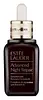
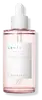
Estée Lauder Advanced Night Repair Synchronized Recovery Complex II Versus SKIN1004 Madagascar Centella Poremizing Fresh Ampoule
This barrier-repair serum is formulated around Bifida Ferment Lysate to strengthen the skin barrier.
This smoothing ampoule is formulated around Centella Asiatica Extract and Acetyl Hexapeptide-8 to refine skin texture and soften the look of wrinkles.


What's inside
What's inside
 Key Ingredients
Benefits
Concerns
No concerns
Ingredients Side-by-side
Water
Skin ConditioningBifida Ferment Lysate
Skin Conditioning



Methyl Gluceth-20
Humectant
PEG-75
HumectantBis-PEG-18 Methyl Ether Dimethyl Silane
EmollientButylene Glycol
Humectant
Propanediol
Solvent
Cola Acuminata Seed Extract
Skin ConditioningHydrolyzed Algin
Pantethine
EmollientCaffeine
Skin Conditioning
Lecithin
Emollient
Tripeptide-32
Skin Conditioning
Ethylhexylglycerin
Skin ConditioningSodium Rna
Skin ConditioningBisabolol
Antioxidant

Glycereth-26
Humectant
Squalane
Emollient
Sodium Hyaluronate
Humectant
Oleth-3 Phosphate
SurfactantCaprylyl Glycol
Emollient
Lactobacillus Ferment
Skin Conditioning
Oleth-3
Emulsifying


Oleth-5
Emulsifying
Anthemis Nobilis Flower Extract
Masking
Faex Extract
Skin ConditioningCholeth-24
EmulsifyingHydrogenated Lecithin
Emulsifying
Ceteth-24
CleansingTocopheryl Acetate
Antioxidant

Ethylhexyl Methoxycinnamate
UV Absorber


Hexylene Glycol
EmulsifyingCarbomer
Emulsion StabilisingTriethanolamine
BufferingTrisodium EDTA
BHT
Antioxidant
Xanthan Gum
EmulsifyingPhenoxyethanol
Preservative
CI 14700
Cosmetic ColorantCI 19140
Cosmetic ColorantWater, Bifida Ferment Lysate, Methyl Gluceth-20, PEG-75, Bis-PEG-18 Methyl Ether Dimethyl Silane, Butylene Glycol, Propanediol, Cola Acuminata Seed Extract, Hydrolyzed Algin, Pantethine, Caffeine, Lecithin, Tripeptide-32, Ethylhexylglycerin, Sodium Rna, Bisabolol, Glycereth-26, Squalane, Sodium Hyaluronate, Oleth-3 Phosphate, Caprylyl Glycol, Lactobacillus Ferment, Oleth-3, Oleth-5, Anthemis Nobilis Flower Extract, Faex Extract, Choleth-24, Hydrogenated Lecithin, Ceteth-24, Tocopheryl Acetate, Ethylhexyl Methoxycinnamate, Hexylene Glycol, Carbomer, Triethanolamine, Trisodium EDTA, BHT, Xanthan Gum, Phenoxyethanol, CI 14700, CI 19140
Water
Skin ConditioningButylene Glycol
Humectant
Propanediol
Solvent
1,2-Hexanediol
Skin Conditioning
Aloe Barbadensis Leaf Extract
Emollient
Centella Asiatica Extract
Cleansing
Glycereth-26
Humectant
Hydroxyacetophenone
Antioxidant
Glycerin
Humectant
Carbomer
Emulsion StabilisingTromethamine
BufferingPanthenol
Skin Conditioning
Ethylhexylglycerin
Skin ConditioningDisodium EDTA
Dipotassium Glycyrrhizate
Humectant
Ammonium Polyacryloyldimethyl Taurate
Emulsion StabilisingBiosaccharide Gum-1
Humectant
Hyaluronic Acid
Humectant
Hydrolyzed Hyaluronic Acid
Humectant
Sodium Hyaluronate
Humectant
Hydroxyethylcellulose
Emulsion StabilisingChamomilla Recutita Flower Extract
Masking
Mineral Salts
Skin ConditioningTripeptide-3
Skin Conditioning
Acetyl Hexapeptide-8
Humectant
Acetyl Octapeptide-3
Humectant
Copper Tripeptide-1
Skin Conditioning
Palmitoyl Pentapeptide-4
Skin Conditioning
Palmitoyl Tetrapeptide-7
Skin Conditioning
Palmitoyl Tripeptide-1
Skin Conditioning
Tripeptide-1
Skin Conditioning
Tripeptide-2
Skin Conditioning
Water, Butylene Glycol, Propanediol, 1,2-Hexanediol, Aloe Barbadensis Leaf Extract, Centella Asiatica Extract, Glycereth-26, Hydroxyacetophenone, Glycerin, Carbomer, Tromethamine, Panthenol, Ethylhexylglycerin, Disodium EDTA, Dipotassium Glycyrrhizate, Ammonium Polyacryloyldimethyl Taurate, Biosaccharide Gum-1, Hyaluronic Acid, Hydrolyzed Hyaluronic Acid, Sodium Hyaluronate, Hydroxyethylcellulose, Chamomilla Recutita Flower Extract, Mineral Salts, Tripeptide-3, Acetyl Hexapeptide-8, Acetyl Octapeptide-3, Copper Tripeptide-1, Palmitoyl Pentapeptide-4, Palmitoyl Tetrapeptide-7, Palmitoyl Tripeptide-1, Tripeptide-1, Tripeptide-2
Reviews
Ingredients Explained
These ingredients are found in both products.
Ingredients higher up in an ingredient list are typically present in a larger amount.
Butylene Glycol (or BG) is used within cosmetic products for a few different reasons:
Overall, Butylene Glycol is a safe and well-rounded ingredient that works well with other ingredients.
Though this ingredient works well with most skin types, some people with sensitive skin may experience a reaction such as allergic rashes, closed comedones, or itchiness.
Learn more about Butylene GlycolCarbomer is a synthetic thickening and gelling agent. It's basically the ingredient that gives a lot of serums, gels, creams, and sunscreens their smooth, non-sticky texture.
Although legally permitted at very high levels, carbomers are normally used at concentrations below 1%.
It also needs to be neutralized to actually thicken, and because it is a large molecule, it doesn't really penetrate the skin barrier.
Allergy-wise, the risk is very low. Clinical studies show carbomers have low potential for skin irritation/sensitization even at concentrations up to 100%.
A 2024 UK study patch-tested 1,302 patients and found true allergy to the parent group of carbomer to be rare with no confirmed relevant reactions.
Learn more about CarbomerEthylhexylglycerin is created from glycerin. It is a multitasker ingredient that:
The CIR Expert Panel found minimal skin absorption or sensitization of any kind in a safety assessment. Though this ingredient is considered well-tolerated, a small number of cases of allergic dermatitis have been published since 2002. Just be sure to patch test if you are unsure.
Industry-reported use ranges from 8% in rinse-off products and 2% in leave-on formulations.
Learn more about EthylhexylglycerinGlycereth-26 is a synthetic ingredient and polyethylene glycol ether of Glycerin. Glycerin is already naturally found in your skin and helps keep your skin moisturized.
It is a humectant and helps add texture to products. It can make your product thicker.
As a humectant, it helps draw moisture from the air to your skin. This helps your skin stay hydrated.
Learn more about Glycereth-26Propanediol is an all-star ingredient. It softens, hydrates, and smooths the skin.
It’s often used to:
Propanediol is not likely to cause sensitivity and considered safe to use. It is derived from corn or petroleum with a clear color and no scent.
Learn more about PropanediolSodium Hyaluronate is the salt form of hyaluronic acid. It is a long sugar chain that is naturally found in your skin, joints, and connective tissue that maintains hydration and elasticity.
In skincare, it works as a humectant. It pulls water from the environment and deeper layers of skin and binds it to the surface.
Interestingly, the size of the molecule affects its behavior:
Some clinical evidence links low molecular weight versions to improved wrinkle depth, elasticity, anti-inflammatory effects, and barrier repair.
Many serums use a blend of both weights so you can get surface hydration plus longer-lasting and deeper effects.
You'll typically see concentrations between 0.1-2% for this ingredient.
Learn more about Sodium HyaluronateWater. It's the most common cosmetic ingredient of all. You'll usually see it at the top of ingredient lists, meaning that it makes up the largest part of the product.
So why is it so popular? Water most often acts as a solvent - this means that it helps dissolve other ingredients into the formulation.
You'll also recognize water as that liquid we all need to stay alive. If you see this, drink a glass of water. Remember to stay hydrated!
Learn more about Water

