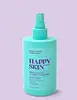
This barrier-repair toner is formulated around Niacinamide and Lactobacillus Ferment to strengthen the skin barrier.
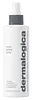
This hydrating toner is formulated around Aloe Barbadensis Leaf Extract and Arginine to hydrate skin and calm redness.

What's inside
What's inside
 Key Ingredients
Benefits
Concerns
Ingredients Side-by-side
Water
Skin ConditioningBetaine
Humectant


Niacinamide
Smoothing









Propanediol
Solvent
Pentylene Glycol
Skin Conditioning
Panicum Miliaceum Seed Extract
Skin ConditioningLactobacillus Ferment
Skin Conditioning
Sodium PCA
Humectant
Sodium Lactate
Buffering
Serine
Masking
Alanine
Masking
Glycine
Buffering
Glutamic Acid
Humectant
Lysine Hcl
Skin Conditioning
Threonine
Arginine
Masking
Proline
Skin Conditioning
PCA
Humectant
Sodium Hyaluronate Crosspolymer
Humectant
Sodium Hyaluronate
Humectant
Sodium Acetylated Hyaluronate
Humectant
Hydrolyzed Sodium Hyaluronate
Skin Conditioning
Mangifera Indica Fruit Extract
Skin ConditioningCarica Papaya Fruit Extract
Skin ConditioningAnanas Sativus Fruit Extract
Skin ConditioningSodium Phytate
ChelatingEthylhexylglycerin
Skin ConditioningSodium Citrate
BufferingCitric Acid
Buffering

Benzyl Alcohol
Perfuming






Water, Betaine, Niacinamide, Propanediol, Pentylene Glycol, Panicum Miliaceum Seed Extract, Lactobacillus Ferment, Sodium PCA, Sodium Lactate, Serine, Alanine, Glycine, Glutamic Acid, Lysine Hcl, Threonine, Arginine, Proline, PCA, Sodium Hyaluronate Crosspolymer, Sodium Hyaluronate, Sodium Acetylated Hyaluronate, Hydrolyzed Sodium Hyaluronate, Mangifera Indica Fruit Extract, Carica Papaya Fruit Extract, Ananas Sativus Fruit Extract, Sodium Phytate, Ethylhexylglycerin, Sodium Citrate, Citric Acid, Benzyl Alcohol
Water
Skin ConditioningButylene Glycol
Humectant
Aloe Barbadensis Leaf Extract
Emollient
Arginine
Masking
Lavandula Angustifolia Flower/Leaf/Stem Extract
Masking
Melissa Officinalis Leaf Extract
Skin ConditioningCitrus Limon Peel Oil
Masking


Citrus Aurantium Bergamia Fruit Oil
Masking
Cymbopogon Nardus Oil
Masking
Glycine
Buffering
Alanine
Masking
Serine
Masking
Lavandula Angustifolia Oil
Masking
Dipotassium Glycyrrhizate
Humectant
Cucumis Sativus Fruit Extract
Emollient
Arnica Montana Flower Extract
Masking
Hedera Helix Extract
AntimicrobialMalva Sylvestris Flower Extract
Skin ConditioningParietaria Officinalis Extract
EmollientSambucus Nigra Flower Extract
RefreshingTocopherol
Antioxidant

Phenylalanine
Masking
Histidine
Humectant
Valine
MaskingIsoleucine
Skin ConditioningProline
Skin Conditioning
Threonine
Sodium PCA
Humectant
Sodium Lactate
Buffering
Citric Acid
Buffering
Polyquaternium-4
Aspartic Acid
Masking
PCA
Humectant
Ethylhexylglycerin
Skin ConditioningMethyl Gluceth-20
Humectant
Polysorbate 20
Emulsifying
1,2-Hexanediol
Skin Conditioning
Caprylyl Glycol
Emollient
PEG-12 Dimethicone
Skin Conditioning
Ricinoleth-40
CleansingSodium Citrate
BufferingSodium Hydroxide
BufferingTetrasodium Glutamate Diacetate
ChelatingLinalool
Perfuming
Limonene
Perfuming
Citral
Perfuming
Geraniol
Perfuming
Phenoxyethanol
Preservative
Water, Butylene Glycol, Aloe Barbadensis Leaf Extract, Arginine, Lavandula Angustifolia Flower/Leaf/Stem Extract, Melissa Officinalis Leaf Extract, Citrus Limon Peel Oil, Citrus Aurantium Bergamia Fruit Oil, Cymbopogon Nardus Oil, Glycine, Alanine, Serine, Lavandula Angustifolia Oil, Dipotassium Glycyrrhizate, Cucumis Sativus Fruit Extract, Arnica Montana Flower Extract, Hedera Helix Extract, Malva Sylvestris Flower Extract, Parietaria Officinalis Extract, Sambucus Nigra Flower Extract, Tocopherol, Phenylalanine, Histidine, Valine, Isoleucine, Proline, Threonine, Sodium PCA, Sodium Lactate, Citric Acid, Polyquaternium-4, Aspartic Acid, PCA, Ethylhexylglycerin, Methyl Gluceth-20, Polysorbate 20, 1,2-Hexanediol, Caprylyl Glycol, PEG-12 Dimethicone, Ricinoleth-40, Sodium Citrate, Sodium Hydroxide, Tetrasodium Glutamate Diacetate, Linalool, Limonene, Citral, Geraniol, Phenoxyethanol
Ingredients Explained
These ingredients are found in both products.
Ingredients higher up in an ingredient list are typically present in a larger amount.
Alanine is an amino acid and is already found in the human body. Our skin uses alanine to build collagen, elastin, and keratin.
Arginine is a semi-essential amino acid. This just means our bodies can product a bit on its own, but sometimes needs a little boost from food sources.
It is a part of your skin's natural moisturizing factor (NMF), or the water-loving molecules in your outermost layer of skin (stratum corneum) that keeps everything hydrated and happy.
Here's an interesting thing about Arginine: your skin converts it into urea through the Krebs-Henseleit urea cycle. Urea is one of the most effective humectants your skin naturally produces.
A clinical study showed applying 2.5% arginine hydrochloride to atopic dermatitis skin showed significant urea levels in the stratum corneum and improved moisture in just four weeks.
Arginine is also a precursor to nitric oxide; nitric oxide improves microcirculation and supports wound healing and collagen synthesis.
One study found that an amino acid complex containing Arginine reduced skin irritation, improved hydration, and accelerated skin repair in clinical / in-vivo studies.
Arginine itself is an amino acid and not a fatty acid, oil, or ester. On its own, it's not a direct food source for Malassezia, or the yeast that causes fungal acne.
Learn more about ArginineCitric Acid is an alpha hydroxy acid (AHA) naturally found in citrus fruits like oranges, lemons, and limes.
Like other AHAs, citric acid can exfoliate skin by breaking down the bonds that hold dead skin cells together. This helps reveal smoother and brighter skin underneath.
However, this exfoliating effect only happens at high concentrations (20%) which can be hard to find in cosmetic products.
Due to this, citric acid is usually included in small amounts as a pH adjuster. This helps keep products slightly more acidic and compatible with skin's natural pH.
In skincare formulas, citric acid can:
While it can provide some skin benefits, research shows lactic acid and glycolic acid are generally more effective and less irritating exfoliants.
Most citric acid used in skincare today is made by fermenting sugars (usually from molasses). This synthetic version is identical to the natural citrus form but easier to stabilize and use in formulations.
Rosacea skin has a lower threshold for acids generally, with 62.5% of rosacea subjects in one study reacting to lactic acid in a sting test. This is why we mark citric acid as a potential rosacea trigger.
However, this ingredient shows up as a pH adjuster or chelator at roughly 0.1-1% in many products. These low levels are unlikely to be an issue for rosacea skin and becomes a potential trigger at exfoliating concentrations (20%). Because everybody's skin is unique, we recommend a patch test if you are unsure.
Learn more about Citric AcidEthylhexylglycerin is created from glycerin. It is a multitasker ingredient that:
The CIR Expert Panel found minimal skin absorption or sensitization of any kind in a safety assessment. Though this ingredient is considered well-tolerated, a small number of cases of allergic dermatitis have been published since 2002. Just be sure to patch test if you are unsure.
Industry-reported use ranges from 8% in rinse-off products and 2% in leave-on formulations.
Learn more about EthylhexylglycerinGlycine is the smallest amino acid and a key building block of collagen. It's part if your skin's Natural Moisturizing Factor (NMF), or the water-loving molecules in your outermost layer of skin (stratum corneum) that keeps everything hydrated and happy.
A study from 2022 found that an amino acid complex featuring taurine, arginine, and glycine significantly reduced skin irritation, improved redness, and accelerated the skin repair process.
PCA is an amino acid derivative and one of the star players in your skin's own Natural Moisturizing Factor (NMF).
The NMF is the built-in cocktail of small molecules that keeps your outer layer of skin hydrated and your body makes it naturally.
This is why it works so well topically; PCA is a humectant that holds water in the stratum corneum and studies link higher skin PCA levels to better hydration + lower water loss. Interestingly, people show more PCA in summer and in normal vs dry skin.
Most of the benefits of this ingredient are related to hydration, softness, and barrier support.
A long-running review found that formulas with at least 2% PCA or its salts improved dry skin over both the short and long term. And the zinc salt is also used for its mild antimicrobial and astringent properties.
The salt forms are more common in cosmetics (like sodium PCA).
This ingredient is compatible with basically everything and pairs well with other humectants like glycerin or hyaluronic acid.
Usage-wise, it's typically used at low percentages (~0.2-2%).
The Cosmetic Ingredient Review Expert Panel has concluded PCA and its salts are safe as used and is non-irritating on skin even at high concentrations.
Learn more about PCAProline is a non-essential amino acid, meaning your body can make it on its own. In skincare, it is a skin conditioning ingredient that keeps skin soft and hydrated.
It makes up about 23% of the collagen molecule (collagen is the protein responsible for keeping your skin firm) and is involved in your skin's natural hyaluronic acid production. When applied topically, proline can penetrate the skin fairly well due to its small molecular size.
Reviews of this ingredient have found it to be neither a dermal irritant nor a sensitizer.
Fun fact: Proline can be found in protein-rich foods like meat, fish, eggs, and dairy.
Learn more about ProlineSerine is a non-essential amino acid (your body makes it on its own!). It is a major player in your skin's natural moisturizing factor (NMF), or the water-loving molecules in your outermost layer of skin (stratum corneum) that keeps everything hydrated and happy.
Serine is one of your NMF's most abundant components that works as a skin-identical humectant. Its hydroxyl group grabs onto water molecules to boost hydration without any heaviness or occlusion.
Research on a hydrogel with serine confirmed this serine got delivered to your stratum corneum and demonstrated enhanced skin moisturization.
Interestingly serine also helps your skin produce filaggrin, a protein that keeps your skin barrier strong and used to create collagen.
Learn more about SerineSodium Citrate is the sodium salts of citric acid. In skincare, it is used to alter pH levels and acts as a preservative.
Its main functions are to maintain the pH of a product and neutralize metal ions.
The acidity of our skin is maintained by our glands and skin biome; normal pH level of skin is slightly acidic (~4.75-5.5).
Being slightly acidic allows our skin to create an "acid mantle". This acid mantle is a thin barrier that protects our skin from bacteria and contaminants.
Learn more about Sodium CitrateSodium Lactate is the sodium salt of lactic acid, an AHA. It is a humectant and sometimes used to adjust the pH of a product.
This ingredient is part of our skin's NMF, or natural moisturizing factor. Our NMF is essential for the hydration of our top skin layers and plasticity of skin. NMF also influences our skin's natural acid mantle and pH, which protects our skin from harmful bacteria.
High percentages of Sodium Lactate can have an exfoliating effect.
Fun fact: Sodium Lactate is produced from fermented sugar.
Learn more about Sodium LactateSodium PCA (the salt of PCA) is one of the most well-established humectants in skincare.
Why is it so special? Your skin already makes it naturally; it's a natural component of your skin's Natural Moisturizing Factor (NMF), or the mix of water-binding compounds inside your skin cells that keeps things soft and hydrated.
As a cosmetic ingredient, it grabs water and holds it in the upper layers of skin to smooth roughness and ease dehydration.
There's some clinical support for the NMF approach with a study showing that a cream built to mimic the skin's NMF significantly boosted hydration.
Safety-wise, this ingredient non-irritating, non-comedogenic, and non-phototoxic in testing, with minimal skin absorption.
It also works really well with other hydrators like glycerin or hyaluronic acid, and typical usage is somewhere between 0.2-4%.
Learn more about Sodium PCAThreonine is an amino-acid. It helps hydrate the skin and has antioxidant benefits.
Our skin uses threonine for creating collagen and elastin. Humans are not able to create threonine and must get it through eating foods such as fish, lentils, poultry, sesame seeds, and more.
Water. It's the most common cosmetic ingredient of all. You'll usually see it at the top of ingredient lists, meaning that it makes up the largest part of the product.
So why is it so popular? Water most often acts as a solvent - this means that it helps dissolve other ingredients into the formulation.
You'll also recognize water as that liquid we all need to stay alive. If you see this, drink a glass of water. Remember to stay hydrated!
Learn more about Water

