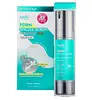
This smoothing serum is formulated around Niacinamide and Sodium DNA to refine skin texture and soften the look of wrinkles.
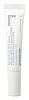
This acne serum is formulated around Salicylic Acid to clear breakouts and refine the look of pores.

What's inside
What's inside
 Key Ingredients
Benefits
Concerns
Ingredients Side-by-side
Water
Skin ConditioningButylene Glycol
Humectant

Niacinamide
Smoothing










Caprylic/Capric Triglyceride
Masking
Cetearyl Olivate


Dipropylene Glycol
HumectantSorbitan Olivate
Emulsifying
Hydrolyzed Sponge
Skin ConditioningArginine
Masking
Carbomer
Emulsion StabilisingHydroxyacetophenone
Antioxidant
Betaine
Humectant
Polyacrylamide
C13-14 Isoparaffin
Emollient
Hydroxyethylcellulose
Emulsion StabilisingSodium DNA
Skin Conditioning
Glutathione
Sodium Hyaluronate
Humectant
Adenosine
Skin Conditioning
Sodium Gluconate
ChelatingLaureth-7
EmulsifyingCaprylyl Glycol
Emollient
Panthenol
Skin Conditioning
1,2-Hexanediol
Skin Conditioning
Parfum
Masking



Water, Butylene Glycol, Niacinamide, Caprylic/Capric Triglyceride, Cetearyl Olivate, Dipropylene Glycol, Sorbitan Olivate, Hydrolyzed Sponge, Arginine, Carbomer, Hydroxyacetophenone, Betaine, Polyacrylamide, C13-14 Isoparaffin, Hydroxyethylcellulose, Sodium DNA, Glutathione, Sodium Hyaluronate, Adenosine, Sodium Gluconate, Laureth-7, Caprylyl Glycol, Panthenol, 1,2-Hexanediol, Parfum
Water
Skin ConditioningGlycerin
Humectant
Butylene Glycol
Humectant
Alcohol Denat.
Antimicrobial

Dipropylene Glycol
HumectantAmmonium Acryloyldimethyltaurate/Vp Copolymer
1,2-Hexanediol
Skin Conditioning
Torreya Nucifera Seed Oil
Emollient
Hydroxyethyl Acrylate/Sodium Acryloyldimethyl Taurate Copolymer
Emulsion StabilisingPolyglyceryl-6 Caprylate
EmulsifyingPolyglyceryl-4 Caprate
EmulsifyingPolyacrylate Crosspolymer-6
Emulsion StabilisingSilica
Abrasive
Propanediol
Solvent
Salicylic Acid
Masking

Tromethamine
BufferingDipotassium Glycyrrhizate
Humectant
Sodium Metaphosphate
BufferingGlyceryl Caprylate
EmollientSorbitan Isostearate
Emulsifying
Xanthan Gum
EmulsifyingRicinus Communis Seed Oil
Masking
Dextrin
AbsorbentTheobroma Cacao Extract
Skin ConditioningLimonene
Perfuming
Juniperus Communis Fruit Oil
Masking
Pinus Sylvestris Leaf Oil
Masking
Juniperus Virginiana Oil
Masking
Lavandula Angustifolia Oil
Masking
Citrus Aurantifolia Oil
Cleansing
Linalool
Perfuming
Citrus Limon Peel Oil
Masking
Artemisia Vulgaris Oil
Perfuming
Pogostemon Cablin Leaf Oil
Masking
Cupressus Sempervirens Leaf/Nut/Stem Oil
Emollient
Water, Glycerin, Butylene Glycol, Alcohol Denat., Dipropylene Glycol, Ammonium Acryloyldimethyltaurate/Vp Copolymer, 1,2-Hexanediol, Torreya Nucifera Seed Oil, Hydroxyethyl Acrylate/Sodium Acryloyldimethyl Taurate Copolymer, Polyglyceryl-6 Caprylate, Polyglyceryl-4 Caprate, Polyacrylate Crosspolymer-6, Silica, Propanediol, Salicylic Acid, Tromethamine, Dipotassium Glycyrrhizate, Sodium Metaphosphate, Glyceryl Caprylate, Sorbitan Isostearate, Xanthan Gum, Ricinus Communis Seed Oil, Dextrin, Theobroma Cacao Extract, Limonene, Juniperus Communis Fruit Oil, Pinus Sylvestris Leaf Oil, Juniperus Virginiana Oil, Lavandula Angustifolia Oil, Citrus Aurantifolia Oil, Linalool, Citrus Limon Peel Oil, Artemisia Vulgaris Oil, Pogostemon Cablin Leaf Oil, Cupressus Sempervirens Leaf/Nut/Stem Oil
Ingredients Explained
These ingredients are found in both products.
Ingredients higher up in an ingredient list are typically present in a larger amount.
1,2-Hexanediol is a synthetic liquid and another multi-functional powerhouse.
It is a:
- Humectant, drawing moisture into the skin
- Emollient, helping to soften skin
- Solvent, dispersing and stabilizing formulas
- Preservative booster, enhancing the antimicrobial activity of other preservatives
Butylene Glycol (or BG) is used within cosmetic products for a few different reasons:
Overall, Butylene Glycol is a safe and well-rounded ingredient that works well with other ingredients.
Though this ingredient works well with most skin types, some people with sensitive skin may experience a reaction such as allergic rashes, closed comedones, or itchiness.
Learn more about Butylene GlycolDipropylene Glycol is a synthetically created humectant, stabilizer, and solvent.
This ingredient helps:
Dipropylene glycol is technically an alcohol, but it belongs to the glycol family (often considered part of the ‘good’ alcohols). This means it is hydrating and gentle on skin unlike drying solvent alcohols like denatured alcohol.
As a masking agent, Dipropylene Glycol can be used to cover the smell of other ingredients. However, it does not have a scent.
Studies show Dipropylene Glycol is considered safe to use in skincare.
Learn more about Dipropylene GlycolWater. It's the most common cosmetic ingredient of all. You'll usually see it at the top of ingredient lists, meaning that it makes up the largest part of the product.
So why is it so popular? Water most often acts as a solvent - this means that it helps dissolve other ingredients into the formulation.
You'll also recognize water as that liquid we all need to stay alive. If you see this, drink a glass of water. Remember to stay hydrated!
Learn more about Water

