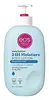
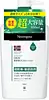
EOS Shea Better Moisture Body Lotion Versus Neutrogena Norwegian Formula Intense Repair Cica Body Emulsion

What's inside
What's inside
 Key Ingredients
Benefits
Concerns
Ingredients Side-by-side
Water
Skin ConditioningGlycerin
Humectant


Isopropyl Palmitate
Emollient




Cetyl Ethylhexanoate
EmollientGlyceryl Stearate Se
Emulsifying
Cetyl Alcohol
Emollient

Dimethicone
Emollient
Butyrospermum Parkii Butter
Skin Conditioning
Butyrospermum Parkii Oil
Emollient
Petrolatum
Emollient
Paraffinum Liquidum
Emollient
Carbomer
Emulsion StabilisingCaprylyl Glycol
Emollient
Hexylene Glycol
EmulsifyingPhenoxyethanol
Preservative
Palmitic Acid
Emollient
Stearic Acid
Cleansing
Myristic Acid
Cleansing
Disodium EDTA
ChelatingSodium Hydroxide
BufferingTocopheryl Acetate
Antioxidant


Citric Acid
Buffering
Water, Glycerin, Isopropyl Palmitate, Cetyl Ethylhexanoate, Glyceryl Stearate Se, Cetyl Alcohol, Dimethicone, Butyrospermum Parkii Butter, Butyrospermum Parkii Oil, Petrolatum, Paraffinum Liquidum, Carbomer, Caprylyl Glycol, Hexylene Glycol, Phenoxyethanol, Palmitic Acid, Stearic Acid, Myristic Acid, Disodium EDTA, Sodium Hydroxide, Tocopheryl Acetate, Citric Acid
Water
Skin ConditioningGlycerin
Humectant
Caprylic/Capric Glycerides
EmollientDimethicone
Emollient
Cetearyl Alcohol
Emollient
Isopropyl Palmitate
Emollient
Petrolatum
Emollient
Glyceryl Laurate
Emollient
Stearyl Alcohol
Emollient
Palmitic Acid
Emollient
Stearic Acid
Cleansing
Butyrospermum Parkii Butter
Skin Conditioning
C12-15 Alkyl Benzoate
AntimicrobialHydroxyacetophenone
Antioxidant
Caprylyl Glycol
Emollient
Chlorphenesin
Antimicrobial
Panthenol
Skin Conditioning

Sodium Hydroxide
BufferingAcrylates/C10-30 Alkyl Acrylate Crosspolymer
Emulsion StabilisingDistearyldimonium Chloride
Allantoin
Skin Conditioning
Pentaerythrityl Tetra-Di-T-Butyl Hydroxyhydrocinnamate
Antioxidant
Pentaerythrityl Tetraisostearate
Emollient
Butylene Glycol
Humectant
Carbomer
Emulsion StabilisingCentella Asiatica Extract
Cleansing

Water, Glycerin, Caprylic/Capric Glycerides, Dimethicone, Cetearyl Alcohol, Isopropyl Palmitate, Petrolatum, Glyceryl Laurate, Stearyl Alcohol, Palmitic Acid, Stearic Acid, Butyrospermum Parkii Butter, C12-15 Alkyl Benzoate, Hydroxyacetophenone, Caprylyl Glycol, Chlorphenesin, Panthenol, Sodium Hydroxide, Acrylates/C10-30 Alkyl Acrylate Crosspolymer, Distearyldimonium Chloride, Allantoin, Pentaerythrityl Tetra-Di-T-Butyl Hydroxyhydrocinnamate, Pentaerythrityl Tetraisostearate, Butylene Glycol, Carbomer, Centella Asiatica Extract
Reviews
Ingredients Explained
These ingredients are found in both products.
Ingredients higher up in an ingredient list are typically present in a larger amount.
This ingredient is also known as shea butter. It is a plant-derived extract from the nuts of the Africa shea tree and one of the most well-studied emollients.
Because it has a high concentration of fatty acids (primarily oleic, stearic, and linoleic) it is able to form a protective barrier on the skin's surface. This helps seal in moisture and prevents transepidermal water loss (TEWL).
In vitro research found an increase in skin hydration by 58% and a decrease in TEWL by 37.8% after 24 hours of applying this ingredient (pretty impressive for a single ingredient!).
Besides hydration, shea butter also contains triterpenes that have anti-inflammatory potential. In particule, lupeol cinnamate has shown the highest anti-inflammatory activity in vivo.
Shea butter also contains vitamins A and E which may contribute to antioxidant activity.
While Shea Butter has an SPF rating of about 3-4, it is not a sunscreen replacement.
This ingredient may not be fungal acne safe because its fatty acids fall within the C11-C24 range that the Malassezia yeast can metabolize.
This ingredient shows up on a lot of "pore-clogging" lists but there's no real evidence behind that. It doesn't even have a comedogenic rating from an actual study; the numbers you'll find online come from blogs citing other blogs.
Ratings for other ingredients mostly come from a 1980s rabbit ear test. This test doesn't translate well to human skin or to real products because the ingredient sits at a much lower percentage.
Some people still find it breaks them out. So if that's you, definitely trust your skin. Just know this one's based on experience and not evidence.
Learn more about Butyrospermum Parkii ButterCaprylyl Glycol is a humectant, skin conditioner, emollient, and preservative booster derived from either caprylic acid or synthetically created.
Typical use levels vary from 0.3-1% as a preservative booster and go up to 2% to condition skin.
Because it is not a free-fatty acid, this ingredient is fungal acne safe (there's nothing for Malassezia to feed on).
Learn more about Caprylyl GlycolCarbomer is a synthetic thickening and gelling agent. It's basically the ingredient that gives a lot of serums, gels, creams, and sunscreens their smooth, non-sticky texture.
Although legally permitted at very high levels, carbomers are normally used at concentrations below 1%.
It also needs to be neutralized to actually thicken, and because it is a large molecule, it doesn't really penetrate the skin barrier.
Allergy-wise, the risk is very low. Clinical studies show carbomers have low potential for skin irritation/sensitization even at concentrations up to 100%.
A 2024 UK study patch-tested 1,302 patients and found true allergy to the parent group of carbomer to be rare with no confirmed relevant reactions.
Learn more about CarbomerDimethicone is a type of synthetic silicone created from natural materials such as quartz. It is also known as polydimethylsiloxane.
What it does:
Dimethicone comes in different viscosities:
Depending on the viscosity, dimethicone has different properties.
Ingredients lists don't always show which type is used, so we recommend reaching out to the brand if you have questions about the viscosity.
This ingredient is unlikely to cause irritation because it does not get absorbed into skin. However, people with silicone allergies should be careful about using this ingredient.
Note: Dimethicone may contribute to pilling. This is because it is not oil or water soluble, so pilling may occur when layered with products. When mixed with heavy oils in a formula, the outcome is also quite greasy.
Learn more about DimethiconeGlycerin (or glycerol) is a compound naturally found in your skin. It's a powerhouse humectant that pulls water into the stratum corneum.
Topically, glycerin does several things at once:
Your skin makes glycerin on its own (mostly from sebaceous oil breakdown) and shuttles it to your outermost layer of skin, or your epidermis, via aquaporin-3.
Aquaporin-3 is a transporter that is essential for normal skin hydration, elasticity, and repair. Interestingly, mice lacking in AQP3 have dry and less elastic skin that can be fully corrected with glycerin.
This ingredient is non-irritating, plays well with almost every ingredient, and works across all skin types. Typical use is anywhere between 3-10% but can go up to 79% in some leave-on products.
Just know very high concentrations (>40%) can feel tacky in low humidity.
Glycerin is the name for this ingredient in American English. British English uses Glycerol/Glycerine.
Learn more about GlycerinIsopropyl Palmitate is a lightweight emollient made by combining isopropyl alcohol and palmitic acid.
It is an emollient that leaves skin feeling smooth and silky without leaving a greasy feel.
Typical usage concentrations range from 1-5%.
Human testing shows it's non-irritating and non-sensitizing, and the EU Scientific Committee on Consumer Safety (SCCS) has cleared it at very high levels (79% in leave-on products).
The one thing worth knowing about its comedogenic score of 3-4 is to keep it in perspective: these ratings come from old rabbit-ear tests using 100% of pure ingredient and doesn't reflect how it behaves at low levels in a finished product.
Because it is an ester of palmitic acid (C16), it falls into the range that the Malassezia yeast can feed on and is considered not fungal acne safe.
Learn more about Isopropyl PalmitatePalmitic Acid is a fatty acid naturally found in our skin and in many plant and animal sources.
In cosmetics, it is usually derived from palm oil. It serves many purposes in skincare, acting as a cleanser, emollient, and emulsifier.
Interestingly, topically applied Palmitic Acid can be elongated into longer chain fatty acids and ceramides. A 2019 study found low levels of Palmitic Acid lead to slower development of cells, suggesting it plays a role in keeping your skin's renewal process on track.
The CIR (Cosmetic Ingredient Review) panel determined it safe as used in cosmetics at concentrations up to 13%. It is non-irritating and non-sensitizing in clinical studies.
The culprit behind fungal acne, the Malassezia yeast, feeds on fatty acids with carbon chain lengths between C11-C24. Palmitic Acid, at C16, falls right into that sweet spot.
In vitro studies have shown that Palmitic Acid is one of the fatty acids that induce rapid Malassezia growth in lab settings.
It's worth noting that what feeds yeast in a lab doesn't necessarily feed it on your face since formulation and your skin's chemistry play a bigger role.
This ingredient does have a comedogenic rating of 2, but this doesn't mean a formula with this ingredient will clog pores.
Human testing has proved that any finished product with a comedogenic ingredient won't automatically make you break out; it really comes down to concentration, formula, and your skin.
Learn more about Palmitic AcidPetrolatum is more commonly known as petroleum jelly. It is created by mixing waxes and mineral oils.
This ingredient is effective at reducing water loss by 99%. This is because it is an occlusive. Occlusives create a hydrophobic barrier on the skin to prevent evaporation. This property makes it great for hydrating dry skin.
Pro tip: Use occlusives, such as this ingredient, on damp skin for the best results.
The quality or origin of petrolatum is only known when disclosed by the brand. Most cosmetic petrolatum has gone through several purification stages.
Another benefit of occlusives is it protects your skin against infection or allergies.
Petrolatum is fungal acne safe. It is a hydrocarbon with no fatty acid structure, so Malassezia cannot metabolize it. In-vitro studies support negligible growth stimulation as well.
It's also worth noting that petrolatum has a comedogenic rating of 0. In updated rabbit ear testing (and in human testing), petrolatum was found to be not comedogenic. This means it didn’t promote comedone formation in standard models.
Learn more about PetrolatumSodium Hydroxide is also known as lye or caustic soda. It is used to adjust the pH of products; many ingredients require a specific pH to be effective.
In small amounts, sodium hydroxide is considered safe to use. However, large amounts may cause chemical burns due to its high alkaline.
Your skin has a natural pH and acid mantle. This acid mantle helps prevent harmful bacteria from breaking through. The acid mantle also helps keep your skin hydrated.
"Alkaline" refers to a high pH level. A low pH level would be considered acidic.
Learn more about Sodium HydroxideStearic Acid is a fatty acid that is already found in your skin. It's one of the free fatty acids that works alongside ceramides and cholesterols to maintain your barrier.
In cosmetics, it is a multitasker:
Safety-wise, the CIR Expert Panel has concluded it to be safe in cosmetics when formulated to be non-irritating and non-sensitizing.
Free stearic acid is a C18 fatty acid that the Malassezia yeast can substrate, so this ingredient may not be fungal acne safe.
This ingredient does have a comedogenic rating of 2-3, but this doesn't mean a formula with this ingredient will clog pores.
Human testing has proved that any finished product with this ingredient won't automatically make you break out; it really comes down to concentration, formula, and your skin.
Learn more about Stearic AcidWater. It's the most common cosmetic ingredient of all. You'll usually see it at the top of ingredient lists, meaning that it makes up the largest part of the product.
So why is it so popular? Water most often acts as a solvent - this means that it helps dissolve other ingredients into the formulation.
You'll also recognize water as that liquid we all need to stay alive. If you see this, drink a glass of water. Remember to stay hydrated!
Learn more about Water

