Endocare Radiance C Ferulic Edafence Serum Versus Endocare Radiance C20 Proteoglycans Ampoules For Dry Skin
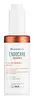
This brightening serum is formulated around Snail Secretion Filtrate and Sodium Ascorbyl Phosphate to brighten dull-looking skin and fade the look of dark spots.
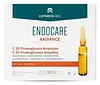
This brightening ampoule is formulated around Snail Secretion Filtrate and Ascorbic Acid to brighten dull-looking skin and hydrate skin.

What's inside
What's inside
 Key Ingredients
Benefits
Concerns
Ingredients Side-by-side
Water
Skin ConditioningSnail Secretion Filtrate
Skin Conditioning





Butylene Glycol
Humectant
Cyclopentasiloxane
Emollient
Propanediol
Solvent
Dibutyl Adipate
EmollientPentylene Glycol
Skin Conditioning
Isostearyl Isostearate
Emollient




Sodium Ascorbyl Phosphate
Antioxidant





Ascorbic Acid
Antioxidant
Polyacrylate Crosspolymer-6
Emulsion StabilisingTocopheryl Acetate
Antioxidant
Deschampsia Antarctica Leaf Extract
Antioxidant
Ferulic Acid
Antimicrobial
Panthenol
Skin Conditioning
Sodium Hyaluronate Crosspolymer
Humectant
Zea Mays Starch
Absorbent
Maltodextrin
Absorbent
Dimethicone
Emollient
Ethylhexylglycerin
Skin ConditioningTrisodium Ethylenediamine Disuccinate
ChelatingCetyl Hydroxyethylcellulose
Emulsion StabilisingPolysilicone-11
Decyl Glucoside
Cleansing
Phenoxyethanol
Preservative
Parfum
Masking


Water, Snail Secretion Filtrate, Butylene Glycol, Cyclopentasiloxane, Propanediol, Dibutyl Adipate, Pentylene Glycol, Isostearyl Isostearate, Sodium Ascorbyl Phosphate, Ascorbic Acid, Polyacrylate Crosspolymer-6, Tocopheryl Acetate, Deschampsia Antarctica Leaf Extract, Ferulic Acid, Panthenol, Sodium Hyaluronate Crosspolymer, Zea Mays Starch, Maltodextrin, Dimethicone, Ethylhexylglycerin, Trisodium Ethylenediamine Disuccinate, Cetyl Hydroxyethylcellulose, Polysilicone-11, Decyl Glucoside, Phenoxyethanol, Parfum

Ingredients Explained
These ingredients are found in both products.
Ingredients higher up in an ingredient list are typically present in a larger amount.
Ascorbic Acid is is pure Vitamin C and is the biologically active form used directly by skin.
Not only is vitamin C great for your overall health and immune system, but it also has plenty of benefits for your skin. It is best supported by academic literature for:
Topical vitamin C has been shown to help neutralize oxidative stress from UV and pollution, helping to improve photoaging and hyperpigmentation when used consistently.
One clinical study found that using 5% topical vitamin C for six months improved signs of photodamaged skin, both on the surface and in the deeper structural layers of the skin.
While vitamin C doesn’t replace sunscreen, studies show it can boost photoprotection when combined with Vitamin E and ferulic acid. These two ingredients help improve stability and protective effects.
The big downside of this ingredient is formulation difficulty. Vitamin C is prone to oxidation and doesn't penetrate the skin unless formulated correctly. Research found that vitamin C absorbs into the skin best at a low pH (< 3.5) with about 20% being the upper limit for effective absorption.
Skin levels can saturate after repeated application; this means your skin won’t keep absorbing more once it’s full of vitamin C. This is why more isn’t always better with vitamin C and why very high concentrations don’t necessarily give extra benefits.
Ascorbic acid generally works well with many skincare ingredients but can be irritating when combined with other active ingredients. Strong oxidizing acne treatments like benzoyl peroxide can reduce the effectiveness of vitamin C if they are used at the same time; they are often recommended for use at different times of day.
Read more about other types of Vitamin C:
Foods rich with vitamin C include oranges, strawberries, broccoli, bell peppers, and more. When consuming Vitamin C, your skin receives a portion of the nutrients.
Learn more about Ascorbic AcidButylene Glycol (or BG) is used within cosmetic products for a few different reasons:
Overall, Butylene Glycol is a safe and well-rounded ingredient that works well with other ingredients.
Though this ingredient works well with most skin types, some people with sensitive skin may experience a reaction such as allergic rashes, closed comedones, or itchiness.
Learn more about Butylene GlycolParfum is a catch-all term for an ingredient or more that is used to give a scent to products.
Also called "fragrance", this ingredient can be a blend of hundreds of chemicals or plant oils. This means every product with "fragrance" or "parfum" in the ingredients list is a different mixture.
For instance, Habanolide is a proprietary trade name for a specific aroma chemical. When used as a fragrance ingredient in cosmetics, most aroma chemicals fall under the broad labeling category of “FRAGRANCE” or “PARFUM” according to EU and US regulations.
The term 'parfum' or 'fragrance' is not regulated in many countries. In many cases, it is up to the brand to define this term.
For instance, many brands choose to label themselves as "fragrance-free" because they are not using synthetic fragrances. However, their products may still contain ingredients such as essential oils that are considered a fragrance by INCI standards.
One example is Calendula flower extract. Calendula is an essential oil that still imparts a scent or 'fragrance'.
Depending on the blend, the ingredients in the mixture can cause allergies and sensitivities on the skin. Some ingredients that are known EU allergens include linalool and citronellol.
Parfum can also be used to mask or cover an unpleasant scent.
The bottom line is: not all fragrances/parfum/ingredients are created equally. If you are worried about fragrances, we recommend taking a closer look at an ingredient. And of course, we always recommend speaking with a professional.
Learn more about ParfumSnail Secretion Filtrate (the slimy mucus that garden snails produce) is a multitasking ingredient that shows up in "skin repair" formulas.
This ingredient works because it's a grab bag of skin-friendly stuff like:
In a formula, it acts as a humectant and barrier-supporting soother and the research backs this up as well.
A 2025 systematic review of human clinical trials found that snail-derived ingredients improved signs of aging, increased skin hydration, decreased transepidermal water loss, and improved healing after radiation therapy/fractional laser treatment.
Lab studies have also shown the secretion promotes the proliferation, migration, and survival of the cells that rebuild skin (keratinocytes and dermal fibroblasts).
There's also a placebo-controlled study where a serum containing it helped with mask-related acne.
Overall, this is a gentle, water-based multitasker that works great for hydrating and supporting the skin barrier. However, please see the section below if you have dust mite or shellfish allergies.
You'll see snail filtrate listed at very different percentages depending on the product. Some Korean serums list it near the top of the ingredients at 90% or more while other products use just a few percent.
This doesn't mean the high-percentage ones are far stronger. Raw snail filtrate is mostly water to begin with so using a lot of it isn't the same thing as using a lot of the active ingredients.
Other products use a concentrated version so a small amount goes a long way. Either approach can work well. Just know the percentage on the label isn't a reliable way to judge how effective a snail product will be.
Being cruelty-free means a brand does not experiment on animals. If you're worried about the well-being of the snails, we recommend looking more into the company of the product. Many brands claim to have developed humane methods to collect snail mucin.
There is much debate on this subject. On one hand, this ingredient comes from an animal. On the other hand, many will argue the ingredient is naturally secreted (like a natural by-product) and therefore vegan. If you have reservations, you can look into Galactomyces Ferment Filtrate or Centella Asiatica Extract as alternatives.
This ingredient is fungal acne safe. Its core composition lacks the fatty acid/ester triggers that Malassezia depends on.
True allergy to Snail Secretion Filtrate is uncommon and most documented cases are linked to a dust mite allergy.
Snail proteins (including Tropomyosin) are similar enough to dust mite proteins that the immune system can confuse them.
In most documented cases, the dust mite was the original trigger and tropomyosin turned out to be only a minor player in some studies (so this has not been fully confirmed).
Another thing to know is that nearly all the evidence comes from eating snails or inhaling the protein and not from cosmetics.
However, the allergenic proteins can survive filtration into a finished product; a topical reaction is biologically plausible but there's little published evidence of it actually happening.
People who are allergic to dust mites (or sometimes shellfish) are the most likely to react.
Learn more about Snail Secretion FiltrateTocopheryl Acetate is a stable, shelf-friendly form of vitamin E.
Formulators love it because plain vitamin E oxidizes quickly once it hits air. This acetate version stays stable and resists going off, helping to extend a product's shelf life.
It's actually inactive on its own and works like a slow-release "storage" form; the enzymes in your skin called esterases gradually convert it into active vitamin E over time.
One in vivo study showed 5% of the acetate in the living layer of the epidermis converted to vitamin E after 5 days of application. This study also found the skin gained protection against UV damage even though the conversion was slow and small.
Once converted, vitamin E acts as a skin's main fat-soluble antioxidant that fights free radicals to protect skin from damage.
Topical vitamin E generally boosts the skin's photoprotection, and it reduced UV-damage in animal models.
This ingredient has some brightening potential but it's more of a prevention ingredient than spot-fader. Cell studies show it can slow down melanin production but it's worth noting that it's not the most powerful brightener out there.
Overall, it has a pretty solid safety profile and has been found to be non-irritating and non-comedogenic. Allergic reactions may happen but stay rare due to how widely the ingredient gets used.
The concentration will vary depending on the formula; industry data shows 0.1% in baby lotions, 3% in lipsticks, and 5% in foot powders. You can also find this ingredient at 100% in a pure vitamin E oil.
Most leave-on skincare keeps it at the lower end, often between 0.5-1%.
Learn more about Tocopheryl AcetateTrisodium Ethylenediamine Disuccinate is used to help stabilize a product.
It is a chelating agent, meaning it helps prevent metal ions from binding to other ingredients. This prevents unwanted reactions in products. Metal ions can come into a product via the water ingredient. They are found in trace amounts and are not known to be harmful.
Water. It's the most common cosmetic ingredient of all. You'll usually see it at the top of ingredient lists, meaning that it makes up the largest part of the product.
So why is it so popular? Water most often acts as a solvent - this means that it helps dissolve other ingredients into the formulation.
You'll also recognize water as that liquid we all need to stay alive. If you see this, drink a glass of water. Remember to stay hydrated!
Learn more about Water

