

What's inside
What's inside
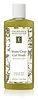 Key Ingredients
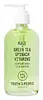
Benefits
Concerns
Ingredients Side-by-side
Aloe Barbadensis Leaf Juice
Skin Conditioning


Citrus Limon Fruit Extract
Masking
Arctostaphylos Uva-Ursi Leaf Extract
Skin Conditioning
Jasminum Officinale Flower Extract
Masking

Lavandula Angustifolia Flower Extract
Cleansing
Calendula Officinalis Flower Extract
Masking
Oryza Sativa Extract
Absorbent
Camellia Sinensis Leaf Extract
Antimicrobial



Rosmarinus Officinalis Leaf Extract
AntimicrobialGlycine Soja Extract
Skin ConditioningGlycerin
Humectant

Cellulose Gum
Emulsion StabilisingCitric Acid
Buffering

Coco-Betaine
Cleansing
Sodium Cocoyl Isethionate
Cleansing
Decyl Glucoside
Cleansing
Polyglyceryl-10 Caprylate/Caprate
EmulsifyingCoco-Glucoside
Cleansing
Glyceryl Oleate
Emollient
Xanthan Gum
EmulsifyingSedum Acre Extract
Skin ConditioningEuterpe Oleracea Fruit Extract
Malpighia Emarginata Fruit Extract
Skin ConditioningPhyllanthus Emblica Fruit Extract
HumectantAdansonia Digitata Seed Oil
Emollient
Myrciaria Dubia Fruit Extract
Skin ConditioningDaucus Carota Sativa Root Extract
Skin Conditioning
Cocos Nucifera Water
Masking
Lycium Barbarum Fruit Extract
Astringent
Tapioca Starch
Thioctic Acid
Antioxidant
Limnanthes Alba Seed Oil
Skin Conditioning
Ethylhexylglycerin
Skin ConditioningChamomilla Recutita Flower Extract
Masking
Butyrospermum Parkii Butter
Skin Conditioning

Aloe Barbadensis Leaf Juice, Citrus Limon Fruit Extract, Arctostaphylos Uva-Ursi Leaf Extract, Jasminum Officinale Flower Extract, Lavandula Angustifolia Flower Extract, Calendula Officinalis Flower Extract, Oryza Sativa Extract, Camellia Sinensis Leaf Extract, Rosmarinus Officinalis Leaf Extract, Glycine Soja Extract, Glycerin, Cellulose Gum, Citric Acid, Coco-Betaine, Sodium Cocoyl Isethionate, Decyl Glucoside, Polyglyceryl-10 Caprylate/Caprate, Coco-Glucoside, Glyceryl Oleate, Xanthan Gum, Sedum Acre Extract, Euterpe Oleracea Fruit Extract, Malpighia Emarginata Fruit Extract, Phyllanthus Emblica Fruit Extract, Adansonia Digitata Seed Oil, Myrciaria Dubia Fruit Extract, Daucus Carota Sativa Root Extract, Cocos Nucifera Water, Lycium Barbarum Fruit Extract, Tapioca Starch, Thioctic Acid, Limnanthes Alba Seed Oil, Ethylhexylglycerin, Chamomilla Recutita Flower Extract, Butyrospermum Parkii Butter
Water
Skin ConditioningCocamidopropyl Hydroxysultaine
Cleansing
Sodium Cocoyl Glutamate
Cleansing
Sorbeth-230 Tetraoleate
Emulsifying
Polysorbate 20
Emulsifying
Sodium Chloride
MaskingAloe Barbadensis Leaf Juice Powder
Skin Conditioning
Brassica Oleracea Acephala Leaf Extract
HumectantSpinacia Oleracea Leaf Extract
Skin ConditioningCamellia Sinensis Leaf Extract
Antimicrobial
Medicago Sativa Extract
TonicChamomilla Recutita Flower Extract
Masking
Tetrahexyldecyl Ascorbate
Antioxidant

Glycerin
Humectant
Panthenol
Skin Conditioning
Tocopheryl Acetate
Antioxidant
Decyl Glucoside
Cleansing
Sorbitan Laurate
Emulsifying
Tetrasodium Glutamate Diacetate
Gluconolactone
Skin Conditioning

Ethylhexylglycerin
Skin ConditioningMaltodextrin
Absorbent
Citric Acid
Buffering
Phenoxyethanol
Preservative
Potassium Sorbate
Preservative
Sodium Benzoate
Masking
Gardenia Jasminoides Fruit Extract
Cosmetic ColorantParfum
Masking

Sodium Hydroxide
BufferingSodium Glycolate
BufferingSodium Formate
Buffering
Hexyl Cinnamal
Perfuming
Linalool
Perfuming
Limonene
Perfuming
CI 75810
Cosmetic ColorantWater, Cocamidopropyl Hydroxysultaine, Sodium Cocoyl Glutamate, Sorbeth-230 Tetraoleate, Polysorbate 20, Sodium Chloride, Aloe Barbadensis Leaf Juice Powder, Brassica Oleracea Acephala Leaf Extract, Spinacia Oleracea Leaf Extract, Camellia Sinensis Leaf Extract, Medicago Sativa Extract, Chamomilla Recutita Flower Extract, Tetrahexyldecyl Ascorbate, Glycerin, Panthenol, Tocopheryl Acetate, Decyl Glucoside, Sorbitan Laurate, Tetrasodium Glutamate Diacetate, Gluconolactone, Ethylhexylglycerin, Maltodextrin, Citric Acid, Phenoxyethanol, Potassium Sorbate, Sodium Benzoate, Gardenia Jasminoides Fruit Extract, Parfum, Sodium Hydroxide, Sodium Glycolate, Sodium Formate, Hexyl Cinnamal, Linalool, Limonene, CI 75810
Reviews
Ingredients Explained
These ingredients are found in both products.
Ingredients higher up in an ingredient list are typically present in a larger amount.
Camellia Sinensis Leaf Extract (tea extract) is one of the most well-researched plant extracts in skincare with an impressive resume.
Black tea, green tea, and oolong tea are all harvested from the Camellia Sinensis plant.
Studies show green tea extract and its catechins (like epigallocatechin gallate (EGCG)) help your skin cells product energy more efficiently and reducing the number of free-radicals that can damage your skin from the inside.
In lab-grown skin models, this translated to younger, healthier, and stronger skin.
There's also good sun protection data; researchers saw less DNA damage and redness on human skin when green tea was applied before UVB exposure. And the more they applied, the better the protection.
Needless to say, this ingredient shouldn't replace your sunscreen. But it is a great supportive ingredient that you can already find in many sunscreens and antioxidant serums.
A 2009 study found a 2% green tea lotion was effective for mild-to-moderate acne thanks to its anti-inflammatory and mild antimicrobial activity.
The quality of the extract matters a lot here:
Good extracts contain 50-90% catechins while lower quality ones are mostly there for marketing. We recommend reaching out to the brand if you have questions about the quality or source of their ingredients.
Human Repeated Insult Patch Testing showed no irritation or sensitization at use concentrations (0.86% in leave-on products and up to 30% as leaf water).
Learn more about Camellia Sinensis Leaf ExtractChamomilla Recutita Flower Extract comes from the Chamomile flower.
Chamomile is rich in antioxidants and has anti-inflammatory properties. Several compounds found in chamomile help with soothing, such as bisbolol.
Antioxidant components in chamomile make it an effective ingredient to help slow the signs of aging. Antioxidants help fight free-radical molecules, or molecules that may damage your skin.
Essential oils from chamomile have been found to improve wound healing due to its antimicrobial properties.
Ancient Greeks and Egyptians used Chamomile to treat skin redness and dryness. Chamomile has also been used to help treat stomach issues.
Learn more about Chamomilla Recutita Flower ExtractCitric Acid is an alpha hydroxy acid (AHA) naturally found in citrus fruits like oranges, lemons, and limes.
Like other AHAs, citric acid can exfoliate skin by breaking down the bonds that hold dead skin cells together. This helps reveal smoother and brighter skin underneath.
However, this exfoliating effect only happens at high concentrations (20%) which can be hard to find in cosmetic products.
Due to this, citric acid is usually included in small amounts as a pH adjuster. This helps keep products slightly more acidic and compatible with skin's natural pH.
In skincare formulas, citric acid can:
While it can provide some skin benefits, research shows lactic acid and glycolic acid are generally more effective and less irritating exfoliants.
Most citric acid used in skincare today is made by fermenting sugars (usually from molasses). This synthetic version is identical to the natural citrus form but easier to stabilize and use in formulations.
Read more about some other popular AHA's here:
Learn more about Citric AcidDecyl Glucoside is a plant-derived surfactant and emulsion stabilizer. It is created by reacting glucose with the fatty acids from plants.
Like all surfactants, it works by lowering the surface tension between water and oil. This makes it so that dirt, sebum, and makeup can be lifted off your skin and rinsed away. It also produces a dense and creamy foam.
Because it has a neutral charge, it is compatible with a wide range of ingredients and stays stable across a broad pH range/water hardiness conditions.
Patch testing has shown it to have the lowest irritation potential among common cleansing surfactants (like SLS).
Typical use levels range from 5-20% in rinse-off cleansers.
One thing worth knowing: The American Contact Dermatitis Society named the parent family, alkyl glucosides, "Allergen of the Year" in 2017. The prevalence of allergy is pretty low but be sure to patch test if you've reacted to "gentle" or sulfate-free cleansers before.
This ingredient is fungal acne safe because the fatty alcohol portion of this ingredient is not within the C11-24 chain length that Malassezia can metabolize.
Learn more about Decyl GlucosideEthylhexylglycerin is created from glycerin. It is a multitasker ingredient that:
The CIR Expert Panel found minimal skin absorption or sensitization of any kind in a safety assessment. Though this ingredient is considered well-tolerated, a small number of cases of allergic dermatitis have been published since 2002. Just be sure to patch test if you are unsure.
Industry-reported use ranges from 8% in rinse-off products and 2% in leave-on formulations.
Learn more about EthylhexylglycerinGlycerin (or glycerol) is a compound naturally found in your skin. It's a powerhouse humectant that pulls water into the stratum corneum.
Topically, glycerin does several things at once:
Your skin makes glycerin on its own (mostly from sebaceous oil breakdown) and shuttles it to your outermost layer of skin, or your epidermis, via aquaporin-3.
Aquaporin-3 is a transporter that is essential for normal skin hydration, elasticity, and repair. Interestingly, mice lacking in AQP3 have dry and less elastic skin that can be fully corrected with glycerin.
This ingredient is non-irritating, plays well with almost every ingredient, and works across all skin types. Typical use is anywhere between 3-10% but can go up to 79% in some leave-on products.
Just know very high concentrations (>40%) can feel tacky in low humidity.
Glycerin is the name for this ingredient in American English. British English uses Glycerol/Glycerine.
Learn more about Glycerin
