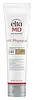
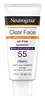
EltaMD, Inc UV Physical Broad-Spectrum SPF 41 Versus Neutrogena Clear Face Sunscreen Lotion - SPF 55

What's inside
What's inside
 Key Ingredients
Benefits
Concerns
Ingredients Side-by-side
Zinc Oxide 9%
Cosmetic Colorant


Titanium Dioxide 7%
Cosmetic Colorant
Water
Skin ConditioningIsopropyl Palmitate
Emollient


Ethylhexyl Stearate
Emollient
Octyldodecyl Neopentanoate
EmollientAlumina
Abrasive
Polyacrylate-13
Phenoxyethanol
Preservative
Hydrogen Dimethicone

Polyisobutene
Hydrogenated Polyisobutene
EmollientTriethoxycaprylylsilane
Oleth-3 Phosphate
SurfactantTocopheryl Acetate
Antioxidant


Bisabolol
Antioxidant




Tocopherol
Antioxidant

Carnosine
Skin Conditioning
Ethylhexylglycerin
Skin ConditioningSorbitan Isostearate
Emulsifying
Polysorbate 20
Emulsifying
Zingiber Officinale Root Extract
Masking
Iron Oxides
Zinc Oxide 9%, Titanium Dioxide 7%, Water, Isopropyl Palmitate, Ethylhexyl Stearate, Octyldodecyl Neopentanoate, Alumina, Polyacrylate-13, Phenoxyethanol, Hydrogen Dimethicone, Polyisobutene, Hydrogenated Polyisobutene, Triethoxycaprylylsilane, Oleth-3 Phosphate, Tocopheryl Acetate, Bisabolol, Tocopherol, Carnosine, Ethylhexylglycerin, Sorbitan Isostearate, Polysorbate 20, Zingiber Officinale Root Extract, Iron Oxides
Butyl Methoxydibenzoylmethane 2.7%
UV Absorber
Homosalate 4%
Skin Conditioning
Ethylhexyl Salicylate 4.5%
UV Absorber
Octocrylene 6%
UV Absorber

Benzophenone-3 4.5%
UV Absorber
Water
Skin ConditioningSilica
Abrasive
Cetyl Dimethicone
Emollient
Styrene/Acrylates Copolymer
C12-15 Alkyl Benzoate
AntimicrobialSteareth-100
Gel FormingEthylhexylglycerin
Skin ConditioningPhenoxyethanol
Preservative
Caprylyl Glycol
Emollient
Sodium Polyacrylate
Absorbent
Dimethicone
Emollient
Steareth-2
EmulsifyingPolyester-7
Skin ConditioningChlorphenesin
Antimicrobial
Propylene Glycol
Humectant
Ethylhexyl Stearate
Emollient
Neopentyl Glycol Diheptanoate
EmollientBisabolol
Antioxidant
Disodium EDTA
Butylene Glycol
Humectant
Acrylates/Dimethicone Copolymer
Skin Conditioning
Diethylhexyl 2,6-Naphthalate
EmollientMannan
Xanthan Gum
EmulsifyingBHT
Antioxidant
Capryloyl Glycine
CleansingTrideceth-6
EmulsifyingSarcosine
Skin Conditioning
Cedrus Atlantica Bark Extract
Perfuming

Cinnamomum Zeylanicum Bark Extract
Antimicrobial
Portulaca Oleracea Extract
Skin Conditioning
Butyl Methoxydibenzoylmethane 2.7%, Homosalate 4%, Ethylhexyl Salicylate 4.5%, Octocrylene 6%, Benzophenone-3 4.5%, Water, Silica, Cetyl Dimethicone, Styrene/Acrylates Copolymer, C12-15 Alkyl Benzoate, Steareth-100, Ethylhexylglycerin, Phenoxyethanol, Caprylyl Glycol, Sodium Polyacrylate, Dimethicone, Steareth-2, Polyester-7, Chlorphenesin, Propylene Glycol, Ethylhexyl Stearate, Neopentyl Glycol Diheptanoate, Bisabolol, Disodium EDTA, Butylene Glycol, Acrylates/Dimethicone Copolymer, Diethylhexyl 2,6-Naphthalate, Mannan, Xanthan Gum, BHT, Capryloyl Glycine, Trideceth-6, Sarcosine, Cedrus Atlantica Bark Extract, Cinnamomum Zeylanicum Bark Extract, Portulaca Oleracea Extract
Reviews
Ingredients Explained
These ingredients are found in both products.
Ingredients higher up in an ingredient list are typically present in a larger amount.
Bisabolol is a gentle skin conditioner, antioxidant, and soothing ingredient.
It's primary claim to fame is soothing and research shows topically applied bisabolol can quiet the chemical messengers that cause your skin to become inflamed, helping to sooth any irritation.
A clinical study found that applying 0.5% bisabolol daily for 8 weeks produced an average 9% decrease in skin pigmentation. Researchers found it can also suppress the process that leads to excess melanin production in skin.
In vitro studies found that bisabolol combined with propylene glycol significantly increased skin permeability by increasing lipid fluidity in the stratum corneum.
You'll likely see use concentrations quite low, usually 0.1-0.2%.
Overall, this is a well-tolerated ingredient that works well in formulas designed for sensitive, reactive, or post-procedure skin.
Learn more about BisabololEthylhexyl Stearate mainly acts as an emollient that also helps reduce the greasiness of oils in a formula. As an emollient, it softens and hydrates your skin by locking moisture in.
Because Ethylhexyl Stearate contains a C18 fatty acid chain, it may not be Malassezia/fungal acne safe. This is because the Malassezia yeast potentially feeds on C11-C24 fatty acids. If you're prone to flare-ups, you might want to patch-test or skip this one.
This ingredient is an ester of 2-ethylhexyl alcohol and stearic acid.
Learn more about Ethylhexyl StearateEthylhexylglycerin is created from glycerin. It is a multitasker ingredient that:
The CIR Expert Panel found minimal skin absorption or sensitization of any kind in a safety assessment. Though this ingredient is considered well-tolerated, a small number of cases of allergic dermatitis have been published since 2002. Just be sure to patch test if you are unsure.
Industry-reported use ranges from 8% in rinse-off products and 2% in leave-on formulations.
Learn more about EthylhexylglycerinPhenoxyethanol is a preservative that has germicide, antimicrobial, and aromatic properties. Studies show that phenoxyethanol can prevent microbial growth. By itself, it has a scent that is similar to that of a rose.
It's often used in formulations along with Caprylyl Glycol to preserve the shelf life of products.
Water. It's the most common cosmetic ingredient of all. You'll usually see it at the top of ingredient lists, meaning that it makes up the largest part of the product.
So why is it so popular? Water most often acts as a solvent - this means that it helps dissolve other ingredients into the formulation.
You'll also recognize water as that liquid we all need to stay alive. If you see this, drink a glass of water. Remember to stay hydrated!
Learn more about Water
