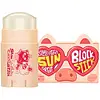
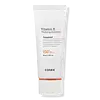
Elizavecca Milky Piggy Sun Great Block Stick SPF50+ PA++ Versus COSRX Vitamin E Vitalizing Sunscreen SPF 50+

What's inside
What's inside
 Key Ingredients
Benefits
Concerns
Ingredients Side-by-side
Octyldodecanol
Emollient
Dicaprylyl Carbonate
EmollientMethyl Methacrylate Crosspolymer
Ethylhexyl Methoxycinnamate
UV Absorber


Dibutyl Lauroyl Glutamide
Skin ConditioningCaprylic/Capric Triglyceride
Masking
Octocrylene
UV Absorber
Homosalate
Skin Conditioning
Ethylhexyl Salicylate
UV Absorber
Dibutyl Ethylhexanoyl Glutamide
Skin ConditioningButyl Methoxydibenzoylmethane
UV Absorber
Tocopheryl Acetate
Antioxidant

Water
Skin ConditioningLavandula Angustifolia Flower Extract
Cleansing
Mentha Rotundifolia Leaf Extract
TonicMelissa Officinalis Leaf Extract
Skin ConditioningRosmarinus Officinalis Leaf Extract
AntimicrobialChamomilla Recutita Extract
Skin Conditioning

Monarda Didyma Leaf Extract
Skin ConditioningSalvia Officinalis Leaf Extract
CleansingMentha Piperita Leaf Extract
Skin ConditioningRosa Centifolia Flower Extract
Astringent
Octyldodecanol, Dicaprylyl Carbonate, Methyl Methacrylate Crosspolymer, Ethylhexyl Methoxycinnamate, Dibutyl Lauroyl Glutamide, Caprylic/Capric Triglyceride, Octocrylene, Homosalate, Ethylhexyl Salicylate, Dibutyl Ethylhexanoyl Glutamide, Butyl Methoxydibenzoylmethane, Tocopheryl Acetate, Water, Lavandula Angustifolia Flower Extract, Mentha Rotundifolia Leaf Extract, Melissa Officinalis Leaf Extract, Rosmarinus Officinalis Leaf Extract, Chamomilla Recutita Extract, Monarda Didyma Leaf Extract, Salvia Officinalis Leaf Extract, Mentha Piperita Leaf Extract, Rosa Centifolia Flower Extract
Water
Skin ConditioningPropanediol
Solvent
Homosalate
Skin Conditioning
Octocrylene
UV Absorber
Ethylhexyl Salicylate
UV Absorber
Butyloctyl Salicylate
Skin Conditioning
Butyl Methoxydibenzoylmethane
UV Absorber
Diphenylsiloxy Phenyl Trimethicone
Skin Conditioning
Dimethicone
Emollient
Vp/Eicosene Copolymer
Silica
Abrasive
Trisiloxane
Skin Conditioning
Cyclopentasiloxane
Emollient
Trimethylsiloxysilicate
Emollient
1,2-Hexanediol
Skin Conditioning
Behenyl Alcohol
Emollient
Glyceryl Stearate
Emollient
PEG-100 Stearate
C14-22 Alcohols
Emulsion StabilisingCetyl Alcohol
Emollient
Potassium Cetyl Phosphate
EmulsifyingPolyacrylate-13
Polyisobutene
Parfum
Masking
C12-20 Alkyl Glucoside
EmulsifyingButylene Glycol
Humectant
Disodium EDTA
Ethylhexylglycerin
Skin ConditioningPolysorbate 20
Emulsifying
Sorbitan Isostearate
Emulsifying
Dextrin
AbsorbentTheobroma Cacao Extract
Skin ConditioningGossypium Herbaceum Extract
Skin ConditioningGlucose
Humectant
Tocopherol
Antioxidant

Water, Propanediol, Homosalate, Octocrylene, Ethylhexyl Salicylate, Butyloctyl Salicylate, Butyl Methoxydibenzoylmethane, Diphenylsiloxy Phenyl Trimethicone, Dimethicone, Vp/Eicosene Copolymer, Silica, Trisiloxane, Cyclopentasiloxane, Trimethylsiloxysilicate, 1,2-Hexanediol, Behenyl Alcohol, Glyceryl Stearate, PEG-100 Stearate, C14-22 Alcohols, Cetyl Alcohol, Potassium Cetyl Phosphate, Polyacrylate-13, Polyisobutene, Parfum, C12-20 Alkyl Glucoside, Butylene Glycol, Disodium EDTA, Ethylhexylglycerin, Polysorbate 20, Sorbitan Isostearate, Dextrin, Theobroma Cacao Extract, Gossypium Herbaceum Extract, Glucose, Tocopherol
Reviews
Ingredients Explained
These ingredients are found in both products.
Ingredients higher up in an ingredient list are typically present in a larger amount.
Also known as Avobenzone, this ingredient is a chemical sunscreen filter that provides protection in the UV-A range.
Avobenzone is globally approved and is the most commonly used UV-A filter in the world.
Studies have found that avobenzone becomes ineffective when exposed to UV light (it is not photostable; meaning that it breaks down in sunlight). Because of this, formulations that include avobenzone will usually contain stabilizers such as octocrylene.
However, some modern formulations (looking at you, EU!) are able to stabilize avobenzone by coating the molecules.
Avobenzone does not protect against the UV-B range, so it's important to check that the sunscreen you're using contains other UV filters that do!
The highest concentration of avobenzone permitted is 3% in the US, and 5% in the EU.
Learn more about Butyl MethoxydibenzoylmethaneEthylhexyl Salicylate is an organic compound used to block UV rays. It primarily absorbs UVB rays but offers a small amount of UVA protection as well.
Commonly found in sunscreens, Ethylhexyl Salicylate is created from salicylic acid and 2-ethylhexanol. You might know salicylic acid as the effective acne fighter ingredient and BHA.
The ethylhexanol in this ingredient is a fatty alcohol and helps hydrate your skin, similar to oils. It is an emollient, which means it traps moisture into the skin.
According to manufacturers, Ethylhexyl Salicylate absorbs UV wavelength of 295-315 nm, with a peak absorption at 307-310 nm. UVA rays are linked to long term skin damage, such as hyperpigmentation. UVB rays emit more energy and are capable of damaging our DNA. UVB rays cause sunburn.
Learn more about Ethylhexyl SalicylateHomosalate is a chemical sunscreen filter that provides protection in the UV-B range (280nm - 320 nm), with a peak protection at 306 nm. It is internationally approved for use in sunscreens.
Homosalate is not photo-stable, meaning it's strength as a UV filter degrades over time with exposure to the sun. Because of this, it's often used in combination with other chemical sunscreen filters as avobenzone (which protects from the UV-A range). Homosalate also helps act as a solvent for harder-to-dissolve UV filters.
(Part of the reason that sunscreens need to be frequently re-applied is due to the photo instability of many chemical sunscreen filters)
Currently, homosalate is approved in concentrations up to 10% in the EU and 15% in the US. The FDA is currently doing further research on the effects of homosalate, and it is possible that these approved concentrations will change in the future.
Learn more about HomosalateOctocrylene protects skin from sun damage. It absorbs UV-B with peak absorption of 304 nm. It is a common sunscreen ingredient and often paired with avobenzone, a UVA filter. This is because octocrylene stabilizes other sunscreen ingredients by protecting them from degradation when exposed to sunlight. Octocrylene is a photostable ingredient and loses about 10% of SPF in 95 minutes.
Octocrylene also acts as an emollient, meaning it helps skin retain moisture and softens skin. It is oil-soluble and hydrophobic, enhancing water-resistant properties in a product.
Those who are using ketoprofen, a topical anti-inflammatory drug, may experience an allergic reaction when using octocrylene. It is best to speak with a healthcare professional about using sunscreens with octocrylene.
The EU allows a maximum of these concentrations:
Learn more about OctocryleneWater. It's the most common cosmetic ingredient of all. You'll usually see it at the top of ingredient lists, meaning that it makes up the largest part of the product.
So why is it so popular? Water most often acts as a solvent - this means that it helps dissolve other ingredients into the formulation.
You'll also recognize water as that liquid we all need to stay alive. If you see this, drink a glass of water. Stay hydrated!
Learn more about Water
