

What's inside
What's inside
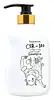 Key Ingredients
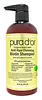
Benefits
Concerns
Ingredients Side-by-side
Water
Skin ConditioningLauryl Betaine
CleansingDisodium Laureth Sulfosuccinate
CleansingGlycerin
Humectant


Sodium Chloride
MaskingDipropylene Glycol
HumectantPEG-12 Dimethicone
Skin Conditioning
Polyquaternium-10
Sodium Cocoyl Glutamate
Cleansing
Polyquaternium-67
Parfum
Masking



PEG-12 Allyl Ether
Citric Acid
Buffering

1,2-Hexanediol
Skin Conditioning
Caprylyl Glycol
Emollient
Butylene Glycol
Humectant
Disodium Cocoyl Glutamate
Cleansing
Polyquaternium-11
Sodium Benzoate
Masking
Illicium Verum Fruit Extract
Perfuming
Disodium EDTA
Polyquaternium-7
Ceramide NP
Skin Conditioning



Hydrolyzed Collagen
Emollient
Decyl Glucoside
Cleansing
Gelatin
Hydrolyzed Keratin
Humectant
Avena Sativa Protein Extract
Skin ConditioningHydrolyzed Corn Protein
Skin ConditioningHydrolyzed Soy Protein
Humectant
Hydrolyzed Wheat Protein
Skin ConditioningMoringa Oleifera Seed Extract
Skin Conditioning
Propolis Extract
Skin Conditioning

Salix Alba Bark Extract
Astringent

Origanum Vulgare Leaf Extract
Skin ConditioningChamaecyparis Obtusa Leaf Extract
Skin ConditioningLactobacillus/Soybean Ferment Extract
Skin ConditioningCinnamomum Cassia Bark Extract
Masking
Scutellaria Baicalensis Root Extract
Astringent
Portulaca Oleracea Extract
Skin Conditioning
Beta-Glucan
Skin Conditioning
Water, Lauryl Betaine, Disodium Laureth Sulfosuccinate, Glycerin, Sodium Chloride, Dipropylene Glycol, PEG-12 Dimethicone, Polyquaternium-10, Sodium Cocoyl Glutamate, Polyquaternium-67, Parfum, PEG-12 Allyl Ether, Citric Acid, 1,2-Hexanediol, Caprylyl Glycol, Butylene Glycol, Disodium Cocoyl Glutamate, Polyquaternium-11, Sodium Benzoate, Illicium Verum Fruit Extract, Disodium EDTA, Polyquaternium-7, Ceramide NP, Hydrolyzed Collagen, Decyl Glucoside, Gelatin, Hydrolyzed Keratin, Avena Sativa Protein Extract, Hydrolyzed Corn Protein, Hydrolyzed Soy Protein, Hydrolyzed Wheat Protein, Moringa Oleifera Seed Extract, Propolis Extract, Salix Alba Bark Extract, Origanum Vulgare Leaf Extract, Chamaecyparis Obtusa Leaf Extract, Lactobacillus/Soybean Ferment Extract, Cinnamomum Cassia Bark Extract, Scutellaria Baicalensis Root Extract, Portulaca Oleracea Extract, Beta-Glucan
Aloe Barbadensis Leaf Juice
Skin Conditioning
Decyl Glucoside
Cleansing
Cocamidopropyl Hydroxysultaine
Cleansing
Cocamidopropyl Betaine
Cleansing
Polyquaternium-71
HumectantCocamide Mipa
Emulsifying
Disodium Laureth Sulfosuccinate
CleansingPolyquaternium-80
CleansingDisodium Lauryl Sulfosuccinate
CleansingLactobacillus Ferment
Skin Conditioning
Salix Alba Bark Extract
Astringent
Melaleuca Alternifolia Leaf Oil
Antioxidant


Argania Spinosa Kernel Oil
Emollient
Nigella Sativa Seed Oil
Emollient
Urtica Dioica Leaf Extract
Skin ConditioningGrateloupia Elliptica Extract
Skin ConditioningBiotin
AntiseborrhoeicSerenoa Serrulata Fruit Extract
Skin Conditioning
Cedrus Atlantica Bark Oil
Masking

Rosmarinus Officinalis Leaf Oil
Masking
Salvia Sclarea Oil
Masking
Polygonum Multiflorum Root Extract
Skin ConditioningHibiscus Sabdariffa Flower Extract
Skin ConditioningPrunus Africana Bark Extract
Skin ConditioningCucurbita Pepo Seed Oil
Emollient
Camellia Sinensis Leaf Extract
Antimicrobial
Zinc Pyrithione
Antiseborrhoeic
Soy Isoflavones
Skin ConditioningBeta-Sitosterol
Emulsion Stabilising
Emblica Officinalis Fruit
Skin ConditioningCitrus Limon Peel Oil
Masking
Citrus Grandis Seed Extract
Astringent
Cymbopogon Flexuosus Oil
Masking
Niacin
SmoothingTocopherol
Antioxidant
Sorbitan Oleate Decylglucoside Crosspolymer
CleansingXylityl Sesquicaprylate
Antimicrobial
Citric Acid
Buffering
Aloe Barbadensis Leaf Juice, Decyl Glucoside, Cocamidopropyl Hydroxysultaine, Cocamidopropyl Betaine, Polyquaternium-71, Cocamide Mipa, Disodium Laureth Sulfosuccinate, Polyquaternium-80, Disodium Lauryl Sulfosuccinate, Lactobacillus Ferment, Salix Alba Bark Extract, Melaleuca Alternifolia Leaf Oil, Argania Spinosa Kernel Oil, Nigella Sativa Seed Oil, Urtica Dioica Leaf Extract, Grateloupia Elliptica Extract, Biotin, Serenoa Serrulata Fruit Extract, Cedrus Atlantica Bark Oil, Rosmarinus Officinalis Leaf Oil, Salvia Sclarea Oil, Polygonum Multiflorum Root Extract, Hibiscus Sabdariffa Flower Extract, Prunus Africana Bark Extract, Cucurbita Pepo Seed Oil, Camellia Sinensis Leaf Extract, Zinc Pyrithione, Soy Isoflavones, Beta-Sitosterol, Emblica Officinalis Fruit, Citrus Limon Peel Oil, Citrus Grandis Seed Extract, Cymbopogon Flexuosus Oil, Niacin, Tocopherol, Sorbitan Oleate Decylglucoside Crosspolymer, Xylityl Sesquicaprylate, Citric Acid
Reviews
Alternatives
Ingredients Explained
These ingredients are found in both products.
Ingredients higher up in an ingredient list are typically present in a larger amount.
Citric Acid is an alpha hydroxy acid (AHA) naturally found in citrus fruits like oranges, lemons, and limes.
Like other AHAs, citric acid can exfoliate skin by breaking down the bonds that hold dead skin cells together. This helps reveal smoother and brighter skin underneath.
However, this exfoliating effect only happens at high concentrations (20%) which can be hard to find in cosmetic products.
Due to this, citric acid is usually included in small amounts as a pH adjuster. This helps keep products slightly more acidic and compatible with skin's natural pH.
In skincare formulas, citric acid can:
While it can provide some skin benefits, research shows lactic acid and glycolic acid are generally more effective and less irritating exfoliants.
Most citric acid used in skincare today is made by fermenting sugars (usually from molasses). This synthetic version is identical to the natural citrus form but easier to stabilize and use in formulations.
Read more about some other popular AHA's here:
Learn more about Citric AcidDecyl Glucoside is a plant-derived surfactant and emulsion stabilizer. It is created by reacting glucose with the fatty acids from plants.
Like all surfactants, it works by lowering the surface tension between water and oil. This makes it so that dirt, sebum, and makeup can be lifted off your skin and rinsed away. It also produces a dense and creamy foam.
Because it has a neutral charge, it is compatible with a wide range of ingredients and stays stable across a broad pH range/water hardiness conditions.
Patch testing has shown it to have the lowest irritation potential among common cleansing surfactants (like SLS).
Typical use levels range from 5-20% in rinse-off cleansers.
One thing worth knowing: The American Contact Dermatitis Society named the parent family, alkyl glucosides, "Allergen of the Year" in 2017. The prevalence of allergy is pretty low but be sure to patch test if you've reacted to "gentle" or sulfate-free cleansers before.
This ingredient is fungal acne safe because the fatty alcohol portion of this ingredient is not within the C11-24 chain length that Malassezia can metabolize.
Learn more about Decyl GlucosideThis ingredient is a cleansing agent, surfactant, and foam booster. It considered an alternative to traditional sulfates (Sulfosuccinate) and is allowed in "sulfate-free" products.
According to a manufacturer, this ingredient is mild and can be used in baby and bath options.
Salix Alba Bark Extract comes from the bark of the white willow tree. The official CosIng listing states this ingredient to have astringent, skin conditioning, soothing, and tonic properties.
Its star compound is salicin, a natural glucoside that is chemically related to salicylic acid. That's why you'll often see it marketed as a "natural BHA alternative" but that's a bit of a stretch.
Your skin can't convert salicin to salicylic acid because it needs specific enzymes that aren't present on the skin's surface. It won't behave like true salicylic acid, especially at the concentrations used in cosmetics.
However, this ingredient has its own perks. It contains flavonoids, polyphenols, and tannins that give it proven antioxidant and soothing properties.
An 8-week clinical study found a cream with 2% of this extract improved skin microcirculation, elasticity, and dark circles. This is most likely due to its role in increasing hyaluronic acid synthesis in fibroblasts and improved vascular integrity.
Another study found a topical serum with 0.5% salicin showed improvements in visible signs of aging, hyperpigmentation, and texture.
Just be careful if you have a known aspirin/salicylate allergy and be sure to consult with a medical professional about using this ingredient if you do.
Fun fact: Willow Bark extract has been used for thousands of years and ancient civilizations used white willow to help treat pain and fevers.
Learn more about Salix Alba Bark Extract
