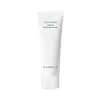
This barrier-repair moisturizer is formulated around Centella Asiatica Leaf Water and Panthenol to strengthen the skin barrier and hydrate skin.
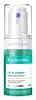
This barrier-repair serum is formulated around Panthenol and Madecassoside to strengthen the skin barrier and calm redness.

What's inside
What's inside
 Key Ingredients
Benefits
Concerns
No concerns
Ingredients Side-by-side
Water
Skin ConditioningCaprylic/Capric Triglyceride
Masking


Centella Asiatica Leaf Water
Skin Conditioning

Glycerin
Humectant
Polyglyceryl-3 Distearate
Emulsifying

Cetearyl Alcohol
Emollient



Pentylene Glycol
Skin Conditioning
Silica
Abrasive


Panthenol
Skin Conditioning
Caprylyl Glycol
Emollient
Glyceryl Stearate Citrate
Emollient
Xanthan Gum
EmulsifyingAmmonium Acryloyldimethyltaurate/Vp Copolymer
Ethylhexylglycerin
Skin ConditioningAdenosine
Skin Conditioning
Propanediol
Solvent
Citric Acid
Buffering

1,2-Hexanediol
Skin Conditioning
Trisodium Ethylenediamine Disuccinate
Tremella Fuciformis Extract
Humectant
Ascorbyl Glucoside
Antioxidant

Magnesium Chloride
Calcium Gluconate
HumectantTocopherol
Antioxidant

Pyridoxine Hcl
Skin ConditioningYeast Extract
Skin ConditioningCyanocobalamin
Skin ConditioningButylene Glycol
Humectant
Dipropylene Glycol
HumectantBeta-Glucan
Skin Conditioning
Ceteareth-25
CleansingHydrogenated Lecithin
Emulsifying
Lespedeza Capitata Leaf/Stem Extract
Skin ConditioningCetyl Alcohol
Emollient
Ceramide NP
Skin Conditioning
Cholesterol
Emollient
Behenic Acid
Cleansing
Ceramide Ns
Skin Conditioning
Ceramide EOP
Skin Conditioning
Ceramide AP
Skin Conditioning
Ceramide Eos
Skin Conditioning
Chitosan
Caprooyl Phytosphingosine
Skin Conditioning
Caprooyl Sphingosine
Skin ConditioningWater, Caprylic/Capric Triglyceride, Centella Asiatica Leaf Water, Glycerin, Polyglyceryl-3 Distearate, Cetearyl Alcohol, Pentylene Glycol, Silica, Panthenol, Caprylyl Glycol, Glyceryl Stearate Citrate, Xanthan Gum, Ammonium Acryloyldimethyltaurate/Vp Copolymer, Ethylhexylglycerin, Adenosine, Propanediol, Citric Acid, 1,2-Hexanediol, Trisodium Ethylenediamine Disuccinate, Tremella Fuciformis Extract, Ascorbyl Glucoside, Magnesium Chloride, Calcium Gluconate, Tocopherol, Pyridoxine Hcl, Yeast Extract, Cyanocobalamin, Butylene Glycol, Dipropylene Glycol, Beta-Glucan, Ceteareth-25, Hydrogenated Lecithin, Lespedeza Capitata Leaf/Stem Extract, Cetyl Alcohol, Ceramide NP, Cholesterol, Behenic Acid, Ceramide Ns, Ceramide EOP, Ceramide AP, Ceramide Eos, Chitosan, Caprooyl Phytosphingosine, Caprooyl Sphingosine
Water
Skin ConditioningButylene Glycol
Humectant
Pentylene Glycol
Skin Conditioning
Polyglyceryl-4 Caprate
EmulsifyingMaris Aqua
HumectantAmmonium Polyacryloyldimethyl Taurate
Emulsion StabilisingPanthenol
Skin Conditioning
Propanediol
Solvent
Madecassoside
Antioxidant
Acetyl Glutamine
Skin ConditioningLecithin
Emollient
Disodium EDTA
Ethylhexylglycerin
Skin ConditioningBacillus/Folic Acid/Soybean Ferment Extract
Skin ConditioningCaprylyl Glycol
Emollient
Sh-Oligopeptide-1
Skin Conditioning
Sh-Oligopeptide-2
Skin Conditioning
Sh-Polypeptide-1
Skin Conditioning
Sh-Polypeptide-11
Sh-Polypeptide-9
Skin Conditioning
Sodium Hyaluronate
Humectant
Xanthan Gum
EmulsifyingEmiliania Huxleyi Extract
Skin Conditioning1,2-Hexanediol
Skin Conditioning
Water, Butylene Glycol, Pentylene Glycol, Polyglyceryl-4 Caprate, Maris Aqua, Ammonium Polyacryloyldimethyl Taurate, Panthenol, Propanediol, Madecassoside, Acetyl Glutamine, Lecithin, Disodium EDTA, Ethylhexylglycerin, Bacillus/Folic Acid/Soybean Ferment Extract, Caprylyl Glycol, Sh-Oligopeptide-1, Sh-Oligopeptide-2, Sh-Polypeptide-1, Sh-Polypeptide-11, Sh-Polypeptide-9, Sodium Hyaluronate, Xanthan Gum, Emiliania Huxleyi Extract, 1,2-Hexanediol
Reviews
Ingredients Explained
These ingredients are found in both products.
Ingredients higher up in an ingredient list are typically present in a larger amount.
1,2-Hexanediol is a synthetic liquid and another multi-functional powerhouse.
It is a:
- Humectant, drawing moisture into the skin
- Emollient, helping to soften skin
- Solvent, dispersing and stabilizing formulas
- Preservative booster, enhancing the antimicrobial activity of other preservatives
Butylene Glycol (or BG) is used within cosmetic products for a few different reasons:
Overall, Butylene Glycol is a safe and well-rounded ingredient that works well with other ingredients.
Though this ingredient works well with most skin types, some people with sensitive skin may experience a reaction such as allergic rashes, closed comedones, or itchiness.
Learn more about Butylene GlycolCaprylyl Glycol is a humectant, skin conditioner, emollient, and preservative booster derived from either caprylic acid or synthetically created.
Typical use levels vary from 0.3-1% as a preservative booster and go up to 2% to condition skin.
Because it is not a free-fatty acid, this ingredient is fungal acne safe (there's nothing for Malassezia to feed on).
Learn more about Caprylyl GlycolEthylhexylglycerin is created from glycerin. It is a multitasker ingredient that:
The CIR Expert Panel found minimal skin absorption or sensitization of any kind in a safety assessment. Though this ingredient is considered well-tolerated, a small number of cases of allergic dermatitis have been published since 2002. Just be sure to patch test if you are unsure.
Industry-reported use ranges from 8% in rinse-off products and 2% in leave-on formulations.
Learn more about EthylhexylglycerinPanthenol is a common ingredient that helps hydrate and soothe the skin. It is found naturally in our skin and hair.
There are two forms of panthenol: D and L.
D-panthenol is also known as dexpanthenol. Most cosmetics use dexpanthenol or a mixture of D and L-panthenol.
Panthenol is famous due to its ability to go deeper into the skin's layers. Using this ingredient has numerous pros (and no cons):
Like hyaluronic acid, panthenol is a humectant. Humectants are able to bind and hold large amounts of water to keep skin hydrated.
This ingredient works well for wound healing. It works by increasing tissue in the wound and helps close open wounds.
Once oxidized, panthenol converts to pantothenic acid. Panthothenic acid is found in all living cells.
This ingredient is also referred to as pro-vitamin B5.
Learn more about PanthenolPentylene Glycol (1,2-pentanediol) is a multitasking little diol with three main roles in a formula:
Research on alkanediols (the family pentylene glycol belongs to) show they work by disrupting microbial cell membranes. This disruption helps the primary preservative system in a product work more effectively at lower doses.
On the safety side, the Cosmetic Ingredient Review Expert Panel has concluded this ingredient to be safe as used in current cosmetic practices + concentrations.
Typical use levels in a formula run about 1-5%.
Learn more about Pentylene GlycolPropanediol is an all-star ingredient. It softens, hydrates, and smooths the skin.
It’s often used to:
Propanediol is not likely to cause sensitivity and considered safe to use. It is derived from corn or petroleum with a clear color and no scent.
Learn more about PropanediolWater. It's the most common cosmetic ingredient of all. You'll usually see it at the top of ingredient lists, meaning that it makes up the largest part of the product.
So why is it so popular? Water most often acts as a solvent - this means that it helps dissolve other ingredients into the formulation.
You'll also recognize water as that liquid we all need to stay alive. If you see this, drink a glass of water. Remember to stay hydrated!
Learn more about WaterXanthan gum is used as a stabilizer and thickener within cosmetic products. It helps give products a sticky, thick feeling - preventing them from being too runny.
On the technical side of things, xanthan gum is a polysaccharide - a combination consisting of multiple sugar molecules bonded together.
Xanthan gum is a pretty common and great ingredient. It is a natural, non-toxic, non-irritating ingredient that is also commonly used in food products.
Learn more about Xanthan Gum

