This oil-based makeup remover is made to dissolve makeup, sunscreen, and daily buildup.
This oil-based makeup remover is made to dissolve makeup, sunscreen, and daily buildup.

What's inside
What's inside
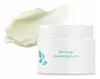 Key Ingredients
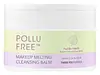
Benefits
Concerns
Ingredients Side-by-side
Ethylhexyl Palmitate
Emollient




Caprylic/Capric Triglyceride
Masking


Sorbeth-30 Tetraoleate
Emulsifying
Polyethylene
Abrasive
PEG-7 Glyceryl Cocoate
Emulsifying
Parfum
Masking


Glyceryl Caprylate
EmollientEthylhexylglycerin
Skin ConditioningTocopheryl Acetate
Antioxidant


Betula Platyphylla Japonica Juice
Skin Conditioning
Anastatica Hierochuntica Extract
AstringentIris Versicolor Extract
EmollientMoringa Oleifera Seed Extract
Skin Conditioning
Perilla Frutescens Leaf Extract
MaskingRhododendron Chrysanthum Leaf Extract
MaskingGlycerin
Humectant
Carthamus Tinctorius Oleosomes
Emollient
Water
Skin ConditioningSqualane
Emollient
Cetyl Ethylhexanoate
EmollientNeopentyl Glycol Diheptanoate
EmollientHydrogenated Phosphatidylcholine
Emulsifying
Alcohol
Antimicrobial
Hydrogenated Lecithin
Emulsifying
Polyglyceryl-10 Myristate
Skin Conditioning
Polyglyceryl-10 Stearate
Skin Conditioning
1,2-Hexanediol
Skin Conditioning
Cetearyl Alcohol
Emollient
Polyglyceryl-2 Stearate
Emulsifying
Stearic Acid
Cleansing
Panthenol
Skin Conditioning
Carthamus Tinctorius Seed Oil
Masking
Oenothera Biennis Oil
Emollient
Sodium Ascorbyl Phosphate
Antioxidant


Polyquaternium-51
Skin Conditioning
Glyceryl Arachidonate
Emollient
Glyceryl Linolenate
Emollient
Biotin
AntiseborrhoeicFolic Acid
Skin ConditioningPyridoxine
Skin ConditioningCyanocobalamin
Skin ConditioningEthylhexyl Palmitate, Caprylic/Capric Triglyceride, Sorbeth-30 Tetraoleate, Polyethylene, PEG-7 Glyceryl Cocoate, Parfum, Glyceryl Caprylate, Ethylhexylglycerin, Tocopheryl Acetate, Betula Platyphylla Japonica Juice, Anastatica Hierochuntica Extract, Iris Versicolor Extract, Moringa Oleifera Seed Extract, Perilla Frutescens Leaf Extract, Rhododendron Chrysanthum Leaf Extract, Glycerin, Carthamus Tinctorius Oleosomes, Water, Squalane, Cetyl Ethylhexanoate, Neopentyl Glycol Diheptanoate, Hydrogenated Phosphatidylcholine, Alcohol, Hydrogenated Lecithin, Polyglyceryl-10 Myristate, Polyglyceryl-10 Stearate, 1,2-Hexanediol, Cetearyl Alcohol, Polyglyceryl-2 Stearate, Stearic Acid, Panthenol, Carthamus Tinctorius Seed Oil, Oenothera Biennis Oil, Sodium Ascorbyl Phosphate, Polyquaternium-51, Glyceryl Arachidonate, Glyceryl Linolenate, Biotin, Folic Acid, Pyridoxine, Cyanocobalamin
Ethylhexyl Pelargonate
EmollientPEG-20 Glyceryl Triisostearate
Emollient
Caprylic/Capric Triglyceride
Masking
Cetyl Ethylhexanoate
EmollientIsopropyl Palmitate
Emollient
Polyethylene
Abrasive
Methylpropanediol
SolventWater
Skin ConditioningArtemisia Vulgaris Oil
Perfuming
1,2-Hexanediol
Skin Conditioning
Pentaerythrityl Tetra-Di-T-Butyl Hydroxyhydrocinnamate
Antioxidant
Tocopheryl Linoleate
Antioxidant
Perilla Frutescens Leaf Extract
MaskingButylene Glycol
Humectant
Glycerin
Humectant
Monarda Didyma Leaf Extract
Skin ConditioningOpuntia Ficus-Indica Stem Extract
Skin Conditioning
Ethylhexyl Pelargonate, PEG-20 Glyceryl Triisostearate, Caprylic/Capric Triglyceride, Cetyl Ethylhexanoate, Isopropyl Palmitate, Polyethylene, Methylpropanediol, Water, Artemisia Vulgaris Oil, 1,2-Hexanediol, Pentaerythrityl Tetra-Di-T-Butyl Hydroxyhydrocinnamate, Tocopheryl Linoleate, Perilla Frutescens Leaf Extract, Butylene Glycol, Glycerin, Monarda Didyma Leaf Extract, Opuntia Ficus-Indica Stem Extract
Ingredients Explained
These ingredients are found in both products.
Ingredients higher up in an ingredient list are typically present in a larger amount.
1,2-Hexanediol is a synthetic liquid and another multi-functional powerhouse.
It is a:
- Humectant, drawing moisture into the skin
- Emollient, helping to soften skin
- Solvent, dispersing and stabilizing formulas
- Preservative booster, enhancing the antimicrobial activity of other preservatives
Caprylic/Capric Triglyceride (aka MCT Oil) is a lightweight emollient, solvent, and texture enhancer. It is considered a skin-softener by helping to prevent moisture loss.
Though it behaves like an oil, it is not technically one due to its chemical composition. One perk of this ingredient is that it is very stable, resistant to oxidation, and unlikely to go rancid.
In practice, that translates to a long shelf life and a consistently elegant skin feel.
While there is an assumption Caprylic Triglyceride can clog pores due to it being derived from coconut oil, there is no research supporting this. Just patch test if you have concerns.
Fractionated coconut oil and MCT Oil are both listed as Caprylic/Capric Triglyceride according to INCI. This is because INCI names are based on the ingredient’s final chemical composition and not its marketing name or source.
This ingredient is treated as the gold standard fungal acne safe oil. Even though it is coconut derived, the problematic lauric acid is stripped out.
This leaves just caprylic (C8) and capric (C10) acid. These chain lengths actually trend antifungal; a 2020 study found caprylic acid was enough to disrupt Malassezia furfur cell membrane, with a caprylic acid derivative damaging membrane structures at concentrations as low as 0.2%.
Learn more about Caprylic/Capric TriglycerideCetyl Ethylhexanoate is an emollient ester. It comes from cetearyl alcohol and 2-ethylhexanoic acid.
Cetyl Ethylhexanoate is an emollient that adds a velvety feel to skin without being greasy or oily. Emollients help trap moisture into your skin, keeping your skin soft and hydrated.
Glycerin (or glycerol) is a compound naturally found in your skin. It's a powerhouse humectant that pulls water into the stratum corneum.
Topically, glycerin does several things at once:
Your skin makes glycerin on its own (mostly from sebaceous oil breakdown) and shuttles it to your outermost layer of skin, or your epidermis, via aquaporin-3.
Aquaporin-3 is a transporter that is essential for normal skin hydration, elasticity, and repair. Interestingly, mice lacking in AQP3 have dry and less elastic skin that can be fully corrected with glycerin.
This ingredient is non-irritating, plays well with almost every ingredient, and works across all skin types. Typical use is anywhere between 3-10% but can go up to 79% in some leave-on products.
Just know very high concentrations (>40%) can feel tacky in low humidity.
Glycerin is the name for this ingredient in American English. British English uses Glycerol/Glycerine.
Learn more about GlycerinWe don't have a description for Perilla Frutescens Leaf Extract yet.
Polyethylene is a synthetic ingredient that helps the skin retain moisture. It is a polymer.
It is also typically used within product formulations to help bind solid ingredients together and thicken oil-based ingredients. When added to balms and emulsions, it helps increase the melting point temperature.
Water. It's the most common cosmetic ingredient of all. You'll usually see it at the top of ingredient lists, meaning that it makes up the largest part of the product.
So why is it so popular? Water most often acts as a solvent - this means that it helps dissolve other ingredients into the formulation.
You'll also recognize water as that liquid we all need to stay alive. If you see this, drink a glass of water. Remember to stay hydrated!
Learn more about Water

