This chemical sunscreen covers most of the UV range, lighter on the deep UVA that drives aging.
This chemical sunscreen covers the full UV range and blocks ~98% of UVB at SPF 50.


What's inside
What's inside
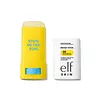 Key Ingredients
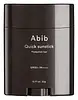
Benefits
Concerns
Ingredients Side-by-side
Octocrylene 10%
UV Absorber



Homosalate 7.3%
Skin Conditioning
Ethylhexyl Salicylate 5%
UV Absorber
Butyl Methoxydibenzoylmethane 3%
UV Absorber
Diphenylsiloxy Phenyl Trimethicone
Skin Conditioning
Paraffinum Liquidum
Emollient

Hydroxystearic Acid
Cleansing

Triethylhexanoin
MaskingDibutyl Lauroyl Glutamide
Skin ConditioningSilica
Abrasive


C12-15 Alkyl Benzoate
AntimicrobialHelianthus Annuus Seed Oil
Emollient
Polyamide-8
EmollientSilica Silylate
Emollient
Oryzanol
Skin ConditioningEthylhexylglycerin
Skin ConditioningBisabolol
Antioxidant




Triethoxycaprylylsilane
Tocopherol
Antioxidant



Water
Skin ConditioningButylene Glycol
Humectant
Phenoxyethanol
Preservative
Citrullus Lanatus Fruit Extract
Skin Conditioning
Octocrylene 10%, Homosalate 7.3%, Ethylhexyl Salicylate 5%, Butyl Methoxydibenzoylmethane 3%, Diphenylsiloxy Phenyl Trimethicone, Paraffinum Liquidum, Hydroxystearic Acid, Triethylhexanoin, Dibutyl Lauroyl Glutamide, Silica, C12-15 Alkyl Benzoate, Helianthus Annuus Seed Oil, Polyamide-8, Silica Silylate, Oryzanol, Ethylhexylglycerin, Bisabolol, Triethoxycaprylylsilane, Tocopherol, Water, Butylene Glycol, Phenoxyethanol, Citrullus Lanatus Fruit Extract
Octyldodecanol
Emollient
Butylene Glycol Dicaprylate/Dicaprate
EmollientEthylhexyl Methoxycinnamate
UV Absorber
Dibutyl Ethylhexanoyl Glutamide
Skin ConditioningDibutyl Lauroyl Glutamide
Skin ConditioningDiisostearyl Malate
EmollientEthylhexyl Salicylate
UV Absorber
Diethylamino Hydroxybenzoyl Hexyl Benzoate
UV Filter
Bis-Ethylhexyloxyphenol Methoxyphenyl Triazine
UV Absorber
Dextrin Palmitate
Emulsifying
Octocrylene
UV Absorber
Camellia Sinensis Leaf Extract
Antimicrobial
Centella Asiatica Extract
Cleansing
Aloe Barbadensis Leaf Juice
Skin Conditioning
Cucumis Sativus Fruit Extract
Emollient
Aloe Barbadensis Leaf Extract
Emollient
Glycerin
Humectant
Water
Skin ConditioningButylene Glycol
Humectant
Saccharide Isomerate
Humectant
Maltodextrin
Absorbent
Hydrolyzed Vegetable Protein
Skin ConditioningCaprylic/Capric Triglyceride
Masking
Hydrogenated Lecithin
Emulsifying
Ethyl Hexanediol
SolventCeramide NP
Skin Conditioning
Citric Acid
Buffering
Sodium Citrate
BufferingEthylhexylglycerin
Skin ConditioningPhenoxyethanol
Preservative
Octyldodecanol, Butylene Glycol Dicaprylate/Dicaprate, Ethylhexyl Methoxycinnamate, Dibutyl Ethylhexanoyl Glutamide, Dibutyl Lauroyl Glutamide, Diisostearyl Malate, Ethylhexyl Salicylate, Diethylamino Hydroxybenzoyl Hexyl Benzoate, Bis-Ethylhexyloxyphenol Methoxyphenyl Triazine, Dextrin Palmitate, Octocrylene, Camellia Sinensis Leaf Extract, Centella Asiatica Extract, Aloe Barbadensis Leaf Juice, Cucumis Sativus Fruit Extract, Aloe Barbadensis Leaf Extract, Glycerin, Water, Butylene Glycol, Saccharide Isomerate, Maltodextrin, Hydrolyzed Vegetable Protein, Caprylic/Capric Triglyceride, Hydrogenated Lecithin, Ethyl Hexanediol, Ceramide NP, Citric Acid, Sodium Citrate, Ethylhexylglycerin, Phenoxyethanol
Reviews
Ingredients Explained
These ingredients are found in both products.
Ingredients higher up in an ingredient list are typically present in a larger amount.
Butylene Glycol (or BG) is used within cosmetic products for a few different reasons:
Overall, Butylene Glycol is a safe and well-rounded ingredient that works well with other ingredients.
Though this ingredient works well with most skin types, some people with sensitive skin may experience a reaction such as allergic rashes, closed comedones, or itchiness.
Learn more about Butylene GlycolWe don't have a description for Dibutyl Lauroyl Glutamide yet.
Ethylhexyl Salicylate (also called Octisalate or Octyl Salicylate) is an oil-soluble organic UV filter that's been used in sunscreen since the 1950's.
It absorbs UVB light in the 280-320 nm range with a peak absorbance around 306 nm.
You'll often see it paired with other UV filters to boost overall SPF because octisalate is a fairly week filter on its own.
The reason you'll see it so often is because it can help solubilize and stabilize the trickier filters like oxybenzone and avobenzone.
Unlike these filters, octisalate has pretty good photostability and doesn't create skin-damaging free radicals when exposed to sunlight.
The fatty-alcohol part of the molecule also gives it a light, emollient feel so it doubles as a nice texture enhancer.
Usage levels vary around the world:
Safety-wise, this ingredient has a pretty reassuring track record. The EU's Scientific Committee on Consumer Products (SCCP) found very low skin penetration in human skin tests and negative results for irritation, phototoxicity, and photoallergy.
The real-world allergy risk is pretty low too; a 2012 European study of 1,031 people recorded only 2 reactions to it (a rate of 0.19%).
You might have seen scary headlines about sunscreen getting into your blood.
In 2019, the FDA found that several chemical filters can absorb through the skin and show up in the bloodstream at small but measurable levels.
Here's the important part: these tiny levels are just a cutoff the FDA uses to decide which ingredients need more testing and doesn't mean anything harmful was found.
The researchers were clear that the results are no reason to stop wearing sunscreen.
Learn more about Ethylhexyl SalicylateEthylhexylglycerin is created from glycerin. It is a multitasker ingredient that:
The CIR Expert Panel found minimal skin absorption or sensitization of any kind in a safety assessment. Though this ingredient is considered well-tolerated, a small number of cases of allergic dermatitis have been published since 2002. Just be sure to patch test if you are unsure.
Industry-reported use ranges from 8% in rinse-off products and 2% in leave-on formulations.
Learn more about EthylhexylglycerinOctocrylene is an oil-soluble organic UV filter that mainly absorbs UVB and short wave UVA II light.
Its real superpower is teamwork: octocrylene is remarkably photostable and is most famous for stabilizing avobenzone (the workhorse UVA filter).
This ingredient is commonly used to enhance both UVB and UVA protection due to its unique property in stabilizing avobenzone. It also pulls double duty by boosting water resistance and giving formulas a smooth, spreadable feel.
The EU's Scientific Committee on Consumer Safety (SCCS) has deemed octocrylene to be safe as a UV-filter at concentrations up to 10% (capped at 9% in propellant sprays). The US also permits it up to 10%.
Two things worth knowing:
You'll usually see this ingredient used in concentrations between 2-10% (higher amounts when used as a stabilizer for avobenzone).
Learn more about OctocrylenePhenoxyethanol is one of the most widely used preservatives in skincare (and for good reason!).
It has a large spectrum of antimicrobial activity and especially effective bacteria, yeast, and mold while only having a weak effect on your skin's natural microbiome.
On a cellular level, it disrupts the cell membranes of microbes by poking holes that make the cell leak. This shuts down the chemical reactions the microbe needs to make energy so it can no longer survive.
Another perk of this ingredient is that it stays functional across a wide pH range (3-10).
You'll often see it paired with boosters like Ethylhexylglycerin; one study showed that a 1:9 ratio of Ethylhexylglycerin to Phenoxyethanol damages bacterial membranes as effectively as doubling the Phenoxyethanol concentration on its own.
Typical use concentrations range from 0.3-1% depending on the formula, and this ingredient is capped at 1% int the EU.
Safety-wise, the fear mongering does not hold up to the evidence. The EU's Scientific Committee on Consumer Safety and FDA consider it safe as a preservative at up to 1%, including for children of all ages.
Adverse systemic effects only showed up in animal studies at exposures roughly 200x higher than what people get from cosmetics. And despite its very widespread use, this ingredient is a rare sensitizer and allergic reactions are uncommon.
Learn more about PhenoxyethanolWater. It's the most common cosmetic ingredient of all. You'll usually see it at the top of ingredient lists, meaning that it makes up the largest part of the product.
So why is it so popular? Water most often acts as a solvent - this means that it helps dissolve other ingredients into the formulation.
You'll also recognize water as that liquid we all need to stay alive. If you see this, drink a glass of water. Remember to stay hydrated!
Learn more about Water

