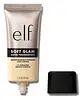
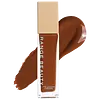
e.l.f. cosmetics Soft Glam Satin Foundation Versus Range Beauty True Intentions Hydrating Foundation

What's inside
What's inside
 Key Ingredients
Benefits
Concerns
Ingredients Side-by-side
Water
Skin ConditioningIsododecane
EmollientGlycerin
Humectant


Coco-Caprylate/Caprate
Emollient
Dimethicone
Emollient
Propylene Glycol
Humectant

Cetyl PEG/PPG-10/1 Dimethicone
Emulsifying
C12-15 Alkyl Benzoate
AntimicrobialTridecyl Trimellitate
EmollientSorbitan Sesquioleate
Emulsifying
Silica
Abrasive


Boron Nitride
Absorbent
Dimethicone/Vinyl Dimethicone Crosspolymer
Skin Conditioning
Magnesium Stearate
Cosmetic ColorantMagnesium Sulfate
Phenoxyethanol
Preservative
Disteardimonium Hectorite
StabilisingPEG/PPG-15/15 Dimethicone
Emulsifying
Trimethylsiloxysilicate
Emollient
Diisostearyl Malate
EmollientSilica Dimethyl Silylate
EmollientAluminum Hydroxide
EmollientTriethoxycaprylylsilane
Caprylyl Glycol
Emollient
Ethylhexylglycerin
Skin ConditioningErythritol
Humectant
Hibiscus Esculentus Fruit Extract
Skin ConditioningButylene Glycol
Humectant
Lycium Chinense Fruit Extract
Antioxidant
Psidium Guajava Fruit Extract
AstringentVaccinium Angustifolium Fruit Extract
Skin Protecting
Hydroxyacetophenone
Antioxidant
CI 77891
Cosmetic ColorantCI 77492
Cosmetic ColorantCI 77491
Cosmetic ColorantCI 77499
Cosmetic ColorantWater, Isododecane, Glycerin, Coco-Caprylate/Caprate, Dimethicone, Propylene Glycol, Cetyl PEG/PPG-10/1 Dimethicone, C12-15 Alkyl Benzoate, Tridecyl Trimellitate, Sorbitan Sesquioleate, Silica, Boron Nitride, Dimethicone/Vinyl Dimethicone Crosspolymer, Magnesium Stearate, Magnesium Sulfate, Phenoxyethanol, Disteardimonium Hectorite, PEG/PPG-15/15 Dimethicone, Trimethylsiloxysilicate, Diisostearyl Malate, Silica Dimethyl Silylate, Aluminum Hydroxide, Triethoxycaprylylsilane, Caprylyl Glycol, Ethylhexylglycerin, Erythritol, Hibiscus Esculentus Fruit Extract, Butylene Glycol, Lycium Chinense Fruit Extract, Psidium Guajava Fruit Extract, Vaccinium Angustifolium Fruit Extract, Hydroxyacetophenone, CI 77891, CI 77492, CI 77491, CI 77499
Water
Skin ConditioningC12-15 Alkyl Benzoate
AntimicrobialPropylene Glycol Stearate
Skin Conditioning

Stearic Acid
Cleansing
Calendula Officinalis Flower Extract
Masking

Anthemis Nobilis Flower Extract
Masking
Tilia Cordata Flower Extract
Skin Conditioning
Centaurea Cyanus Flower Extract
Astringent
Chamomilla Recutita Flower Extract
Masking
Hypericum Perforatum Extract
AntimicrobialSteareth-2
EmulsifyingKaolin
Abrasive
Cetyl Esters
Emollient
Magnesium Aluminum Silicate
Absorbent
Cellulose Gum
Emulsion StabilisingPEG-10 Soy Sterol
EmulsifyingCaprylyl Glycol
Emollient
Stearyl Alcohol
Emollient
Lecithin
Emollient
Sorbitan Laurate
Emulsifying
Camellia Sinensis Leaf Extract
Antimicrobial

Propylene Glycol Laurate
Skin ConditioningTocopherol
Antioxidant

Disodium EDTA
ChelatingCitric Acid
Buffering
Xanthan Gum
EmulsifyingDecyl Alcohol
Emollient
CI 77891
Cosmetic ColorantWater, C12-15 Alkyl Benzoate, Propylene Glycol Stearate, Stearic Acid, Calendula Officinalis Flower Extract, Anthemis Nobilis Flower Extract, Tilia Cordata Flower Extract, Centaurea Cyanus Flower Extract, Chamomilla Recutita Flower Extract, Hypericum Perforatum Extract, Steareth-2, Kaolin, Cetyl Esters, Magnesium Aluminum Silicate, Cellulose Gum, PEG-10 Soy Sterol, Caprylyl Glycol, Stearyl Alcohol, Lecithin, Sorbitan Laurate, Camellia Sinensis Leaf Extract, Propylene Glycol Laurate, Tocopherol, Disodium EDTA, Citric Acid, Xanthan Gum, Decyl Alcohol, CI 77891
Reviews
Ingredients Explained
These ingredients are found in both products.
Ingredients higher up in an ingredient list are typically present in a larger amount.
C12-15 Alkyl Benzoate is a lightweight emollient made by combinig benzoic acid with fatty alcohols that are 12-15 carbons long.
In cosmetics, it plays several roles:
The Cosmetic Review Expert Panel has concluded the alkyl benzoate group to be safe as used in cosmetics; it wasn't found to be a skin irritant and unlikely to be absorbed due to its low water solubility.
This report recorded almost 1000 reported uses with concentrations up to 59% in leave-on products but your cosmetics will typically use 0.5-15% depending on the product.
It's often called a "SPF booster": this is because it keeps UV filters properly dissolved and evenly distributed to support a sunscreen's performance. It doesn't actually raise SPF on its own.
Overall, this ingredient is well tolerated.
This ingredient is fungal acne safe because it is an ester of benzoic acid.
Think of this ingredient as two parts stuck together: an oily part and an acid part. Malassezia only gets a meal when it can snip off a fatty acid to eat. With C12-15 Alkyl Benzoate, the acid part is benzoic acid, which isn't a fatty acid and which the yeast can't use as food.
Benzoic acid is actually used as a preservative to stop yeast from growing.
The oily part is a blend of C12-15 fatty alcohols but fatty alcohols in this size range can support only a little Malassezia growth (mostly for one species of Malassezia as well).
In the ingredient, those alcohols stay locked inside the molecule. The yeast can only reach them by snipping the benzoate bond, and that type of bond is harder for it to cut than a normal fatty bond.
So not much gets released. And whatever does get snipped comes packaged with benzoic acid, which discourages yeast growth.
Learn more about C12-15 Alkyl BenzoateCaprylyl Glycol is a humectant, skin conditioner, emollient, and preservative booster derived from either caprylic acid or synthetically created.
Typical use levels vary from 0.3-1% as a preservative booster and go up to 2% to condition skin.
Because it is not a free-fatty acid, this ingredient is fungal acne safe (there's nothing for Malassezia to feed on).
Learn more about Caprylyl GlycolCi 77891 is a white pigment from Titanium dioxide. It is naturally found in minerals such as rutile and ilmenite.
It's main function is to add a white color to cosmetics. It can also be mixed with other colors to create different shades.
Ci 77891 is commonly found in sunscreens due to its ability to block UV rays.
Learn more about CI 77891Water. It's the most common cosmetic ingredient of all. You'll usually see it at the top of ingredient lists, meaning that it makes up the largest part of the product.
So why is it so popular? Water most often acts as a solvent - this means that it helps dissolve other ingredients into the formulation.
You'll also recognize water as that liquid we all need to stay alive. If you see this, drink a glass of water. Remember to stay hydrated!
Learn more about Water

