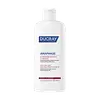
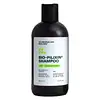
Ducray Anaphase Anti-Hair Loss And Anchorage Shampoo Versus Scandinavian Biolabs Bio-Pilixin Shampoo


What's inside
What's inside
 Key Ingredients
Benefits
Concerns
Ingredients Side-by-side
Water
Skin ConditioningSodium Laureth Sulfate
Cleansing



Betaine
Humectant


Glycerin
Humectant
Sodium Cocoamphoacetate
CleansingAcrylates Copolymer
Ceteareth-60 Myristyl Glycol
EmulsifyingPEG-40 Hydrogenated Castor Oil
Emulsifying


Alcohol
Antimicrobial
Biotin
AntiseborrhoeicCitric Acid
Buffering

Parfum
Masking

Glyceryl Laurate
Emollient
Glycol Distearate
Emollient
Hydrolyzed Wheat Protein
Skin ConditioningLinalyl Acetate
Masking
Panthenol
Skin Conditioning
Pantolactone
Humectant
Phenoxyethanol
Preservative
Polyquaternium-7
Pyridoxine Hcl
Skin ConditioningRuscus Aculeatus Root Extract
Astringent
Salicylic Acid
Masking




Sodium Benzoate
Masking
Sodium Chloride
MaskingSodium Hydroxide
BufferingSodium Lauryl Sulfate
Cleansing
Tocopheryl Nicotinate
Antioxidant
Water, Sodium Laureth Sulfate, Betaine, Glycerin, Sodium Cocoamphoacetate, Acrylates Copolymer, Ceteareth-60 Myristyl Glycol, PEG-40 Hydrogenated Castor Oil, Alcohol, Biotin, Citric Acid, Parfum, Glyceryl Laurate, Glycol Distearate, Hydrolyzed Wheat Protein, Linalyl Acetate, Panthenol, Pantolactone, Phenoxyethanol, Polyquaternium-7, Pyridoxine Hcl, Ruscus Aculeatus Root Extract, Salicylic Acid, Sodium Benzoate, Sodium Chloride, Sodium Hydroxide, Sodium Lauryl Sulfate, Tocopheryl Nicotinate
Water
Skin ConditioningDisodium Laureth Sulfosuccinate
CleansingCocamidopropyl Betaine
Cleansing
Niacinamide
Smoothing


Sodium Chloride
MaskingCaffeine
Skin Conditioning
Sodium Lauroyl Glutamate
SurfactantPEG-90 Glyceryl Isostearate
Cleansing
Citric Acid
Buffering
PEG-7 Glyceryl Cocoate
Emulsifying
Polyquaternium-47
Skin ConditioningAlcohol
Antimicrobial
C12-14 Pareth-12
EmulsifyingSodium Benzoate
Masking
Sodium PCA
Humectant
Sodium Lactate
Buffering
Amaranthus Caudatus Seed Extract
Skin Conditioning
Eucalyptus Globulus Leaf Oil
Perfuming
Potassium Sorbate
Preservative
Arginine
Masking
Aspartic Acid
Masking
Curcuma Longa Callus Conditioned Media
Skin ConditioningPCA
Humectant
Glycine
Buffering
Alanine
Masking
Laureth-2
CleansingSerine
Masking
Valine
MaskingPentylene Glycol
Skin Conditioning
Isoleucine
Skin ConditioningProline
Skin Conditioning
Threonine
Histidine
Humectant
Phenylalanine
Masking
Phytic Acid
Chelating
Water, Disodium Laureth Sulfosuccinate, Cocamidopropyl Betaine, Niacinamide, Sodium Chloride, Caffeine, Sodium Lauroyl Glutamate, PEG-90 Glyceryl Isostearate, Citric Acid, PEG-7 Glyceryl Cocoate, Polyquaternium-47, Alcohol, C12-14 Pareth-12, Sodium Benzoate, Sodium PCA, Sodium Lactate, Amaranthus Caudatus Seed Extract, Eucalyptus Globulus Leaf Oil, Potassium Sorbate, Arginine, Aspartic Acid, Curcuma Longa Callus Conditioned Media, PCA, Glycine, Alanine, Laureth-2, Serine, Valine, Pentylene Glycol, Isoleucine, Proline, Threonine, Histidine, Phenylalanine, Phytic Acid
Ingredients Explained
These ingredients are found in both products.
Ingredients higher up in an ingredient list are typically present in a larger amount.
This ingredient is also called ethanol or ethyl alcohol. It is denatured, meaning made undrinkable for cosmetic use.
In formulas, it:
Is it bad for your skin?
The answer comes down to concentration. Patch and wash studies have found highly concentrated alcohol-based hand rubs (60-100%) cause less barrier disruption than washing with a basic detergent like SLS. The only measurable effect in these studies was a temporary dip in skin hydration.
Concentrations below 12-15% in leave-on cosmetics is generally well-tolerated. Concentrations above start to see increased transepidermal water loss (TEWL) and reduced hydration.
In concentrations about 58%, it creates temporary channels in your skin's lipid layers to become more permeable and allow other ingredients to slip through easily.
This ingredient can be up to 80% of the formula in alcohol-based perfumes.
Overall, this ingredient is probably harmless if found lower down an ingredients list but worth side-eyeing if it's high up (especially if your barrier is already struggling).
Alcohol can worsen dry skin, eczema, and oily skin, especially at higher concentrations. This is because it can increase transepidermal water loss and decrease hydration to disrupt the skin barrier.
According to the National Rosacea Society based in the US, you should be mindful of products with these alcohols in the top half of ingredients.
True allergic contact dermatitis to ethanol is uncommon, but be sure to patch test if you have dry or sensitive skin.
Learn more about AlcoholCitric Acid is an alpha hydroxy acid (AHA) naturally found in citrus fruits like oranges, lemons, and limes.
Like other AHAs, citric acid can exfoliate skin by breaking down the bonds that hold dead skin cells together. This helps reveal smoother and brighter skin underneath.
However, this exfoliating effect only happens at high concentrations (20%) which can be hard to find in cosmetic products.
Due to this, citric acid is usually included in small amounts as a pH adjuster. This helps keep products slightly more acidic and compatible with skin's natural pH.
In skincare formulas, citric acid can:
While it can provide some skin benefits, research shows lactic acid and glycolic acid are generally more effective and less irritating exfoliants.
Most citric acid used in skincare today is made by fermenting sugars (usually from molasses). This synthetic version is identical to the natural citrus form but easier to stabilize and use in formulations.
Rosacea skin has a lower threshold for acids generally, with 62.5% of rosacea subjects in one study reacting to lactic acid in a sting test. This is why we mark citric acid as a potential rosacea trigger.
However, this ingredient shows up as a pH adjuster or chelator at roughly 0.1-1% in many products. These low levels are unlikely to be an issue for rosacea skin and becomes a potential trigger at exfoliating concentrations (20%). Because everybody's skin is unique, we recommend a patch test if you are unsure.
Learn more about Citric AcidSodium Benzoate is a preservative. It's used in both cosmetic and food products to inhibit the growth of mold and bacteria. It is typically produced synthetically.
Both the US FDA and EU Health Committee have approved the use of sodium benzoate. In the US, levels of 0.1% (of the total product) are allowed.
Sodium benzoate works as a preservative by inhibiting the growth of bacteria inside of cells. It prevents the cell from fermenting a type of sugar using an enzyme called phosphofructokinase.
It is the salt of benzoic acid. Foods containing sodium benzoate include soda, salad dressings, condiments, fruit juices, wines, and snack foods.
Studies for using ascorbic acid and sodium benzoate in cosmetics are lacking, especially in skincare routines with multiple steps.
We always recommend speaking with a professional, such as a dermatologist, if you have any concerns.
Learn more about Sodium BenzoateChances are, you eat sodium chloride every day. Sodium Chloride is also known as table salt. This ingredient has many purposes in skincare: thickener, emulsifier, and exfoliator.
You'll most likely find this ingredient in cleansers where it is used to create a gel-like texture. As an emulsifier, it also prevents ingredients from separating.
You might see people debate whether Sodium Chloride is comedogenic, but there actually haven't been any comedogenic tests done on it. Either way, the overall formulation of a product matters a lot more than any single ingredient.
You might see this ingredient used in scrubs as a primary exfoliating ingredient.
Learn more about Sodium ChlorideWater. It's the most common cosmetic ingredient of all. You'll usually see it at the top of ingredient lists, meaning that it makes up the largest part of the product.
So why is it so popular? Water most often acts as a solvent - this means that it helps dissolve other ingredients into the formulation.
You'll also recognize water as that liquid we all need to stay alive. If you see this, drink a glass of water. Remember to stay hydrated!
Learn more about Water

