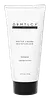
This barrier-repair moisturizer is formulated around Saccharide Isomerate and Butyrospermum Parkii Butter to strengthen the skin barrier and hydrate skin.
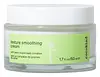
This barrier-repair moisturizer is formulated around Squalane and Butyrospermum Parkii Butter to strengthen the skin barrier and hydrate skin.

What's inside
What's inside
 Key Ingredients
Benefits
Concerns
Ingredients Side-by-side
Water
Skin ConditioningGlycerin
Humectant


Dimethicone
Emollient
Propanediol
Solvent
Saccharide Isomerate
Humectant
Glyceryl Caprylate
EmollientPolysilicone-11

Butyrospermum Parkii Butter
Skin Conditioning




Hydroxyethyl Acrylate/Sodium Acryloyldimethyl Taurate Copolymer
Emulsion StabilisingPolymethylsilsesquioxane/Silica Crosspolymer
Carbomer
Emulsion StabilisingPolyisobutene
Caprylhydroxamic Acid
Glyceryl Acrylate/Acrylic Acid Copolymer
HumectantPEG-7 Trimethylolpropane Coconut Ether
Emulsifying
Sodium Hydroxide
BufferingPhenoxyethanol
Preservative
Zingiber Officinale Root Extract
Masking
Salvia Officinalis Leaf Extract
CleansingCamellia Sinensis Leaf Extract
Antimicrobial



Aloe Barbadensis Leaf Extract
Emollient
Trisodium Ethylenediamine Disuccinate
Decyl Glucoside
Cleansing
Water, Glycerin, Dimethicone, Propanediol, Saccharide Isomerate, Glyceryl Caprylate, Polysilicone-11, Butyrospermum Parkii Butter, Hydroxyethyl Acrylate/Sodium Acryloyldimethyl Taurate Copolymer, Polymethylsilsesquioxane/Silica Crosspolymer, Carbomer, Polyisobutene, Caprylhydroxamic Acid, Glyceryl Acrylate/Acrylic Acid Copolymer, PEG-7 Trimethylolpropane Coconut Ether, Sodium Hydroxide, Phenoxyethanol, Zingiber Officinale Root Extract, Salvia Officinalis Leaf Extract, Camellia Sinensis Leaf Extract, Aloe Barbadensis Leaf Extract, Trisodium Ethylenediamine Disuccinate, Decyl Glucoside
Water
Skin ConditioningCucumis Sativus Fruit Water
Skin ConditioningSqualane
Emollient
Caprylic/Capric Triglyceride
Masking
Helianthus Annuus Seed Oil
Emollient
Cetyl Alcohol
Emollient
Glyceryl Stearate
Emollient
Butyrospermum Parkii Butter
Skin Conditioning
Glyceryl Caprylate
EmollientXanthan Gum
EmulsifyingStearic Acid
Cleansing
Ethylhexylglycerin
Skin ConditioningArginine
Masking
Lecithin
Emollient
Pullulan
Glycerin
Humectant
Caprylhydroxamic Acid
Sorbitan Trioleate
Emulsifying
Sodium Phytate
Sclerotium Gum
Emulsion StabilisingTanacetum Vulgare Extract
Skin ConditioningPanax Ginseng Root Extract
Emollient
Camellia Japonica Seed Oil
Emollient
Mentha Piperita Extract
CleansingCucumis Sativus Fruit Extract
Emollient
Apium Graveolens Seed Extract
Antioxidant
Linum Usitatissimum Seed Extract
Perfuming
Water, Cucumis Sativus Fruit Water, Squalane, Caprylic/Capric Triglyceride, Helianthus Annuus Seed Oil, Cetyl Alcohol, Glyceryl Stearate, Butyrospermum Parkii Butter, Glyceryl Caprylate, Xanthan Gum, Stearic Acid, Ethylhexylglycerin, Arginine, Lecithin, Pullulan, Glycerin, Caprylhydroxamic Acid, Sorbitan Trioleate, Sodium Phytate, Sclerotium Gum, Tanacetum Vulgare Extract, Panax Ginseng Root Extract, Camellia Japonica Seed Oil, Mentha Piperita Extract, Cucumis Sativus Fruit Extract, Apium Graveolens Seed Extract, Linum Usitatissimum Seed Extract
Reviews
Ingredients Explained
These ingredients are found in both products.
Ingredients higher up in an ingredient list are typically present in a larger amount.
This ingredient is also known as shea butter. It is a plant-derived extract from the nuts of the Africa shea tree and one of the most well-studied emollients.
Because it has a high concentration of fatty acids (primarily oleic, stearic, and linoleic) it is able to form a protective barrier on the skin's surface. This helps seal in moisture and prevents transepidermal water loss (TEWL).
In vitro research found an increase in skin hydration by 58% and a decrease in TEWL by 37.8% after 24 hours of applying this ingredient (pretty impressive for a single ingredient!).
Besides hydration, shea butter also contains triterpenes that have anti-inflammatory potential. In particule, lupeol cinnamate has shown the highest anti-inflammatory activity in vivo.
Shea butter also contains vitamins A and E which may contribute to antioxidant activity.
While Shea Butter has an SPF rating of about 3-4, it is not a sunscreen replacement.
This ingredient may not be fungal acne safe because its fatty acids fall within the C11-C24 range that the Malassezia yeast can metabolize.
Learn more about Butyrospermum Parkii ButterCaprylhydroxamic Acid is a chelating agent that helps cosmetics stay fresh, stable, and consistent over time.
Chelating agents help prevent metal ions from binding to other ingredients. This helps prevent unwanted reactions and effects from using the product. It also helps prevent the growth of unwanted microbes in products that contain water.
Caprylhydroxamic Acid is often used with natural antimicrobial products as an alternative to preservatives.
Learn more about Caprylhydroxamic AcidGlycerin (or glycerol) is a compound naturally found in your skin. It's a powerhouse humectant that pulls water into the stratum corneum.
Topically, glycerin does several things at once:
Your skin makes glycerin on its own (mostly from sebaceous oil breakdown) and shuttles it to your outermost layer of skin, or your epidermis, via aquaporin-3.
Aquaporin-3 is a transporter that is essential for normal skin hydration, elasticity, and repair. Interestingly, mice lacking in AQP3 have dry and less elastic skin that can be fully corrected with glycerin.
This ingredient is non-irritating, plays well with almost every ingredient, and works across all skin types. Typical use is anywhere between 3-10% but can go up to 79% in some leave-on products.
Just know very high concentrations (>40%) can feel tacky in low humidity.
Glycerin is the name for this ingredient in American English. British English uses Glycerol/Glycerine.
Learn more about GlycerinGlyceryl Caprylate comes from glycerin and caprylic acid. It is an emollient, co-emulsifier, and preservative booster.
Its short C8 fatty acid chain makes it behave differently from its longer-chain emollient cousins like Glyceryl Stearate. It feels more lightweight, fast-absorbing, and silky instead of rich and waxy.
As a co-emulsifier, its "head" and "tail" sit at the oil-water interface. But overall, the short C8 tail and not being water soluble means it doesn't really have the muscle to emulsify a formula on its own. That's why you'll often see it paired with a primary emulsifier like Cetearyl Glucoside.
Interestingly, Glyceryl Caprylate acts as a preservative booster. This is because its fatty-acid backbone disrupts microbial lipid membranes. It shows excellent activity against bacteria and yeast but is weaker against mold.
Typical concentrations range from 0.5-1% and this ingredient is generally non-irritating.
Because this ingredient has a C8 fatty acid chain, it is outside the range that the Malassezia yeast metabolizes (making it fungal acne safe).
Learn more about Glyceryl CaprylateWater. It's the most common cosmetic ingredient of all. You'll usually see it at the top of ingredient lists, meaning that it makes up the largest part of the product.
So why is it so popular? Water most often acts as a solvent - this means that it helps dissolve other ingredients into the formulation.
You'll also recognize water as that liquid we all need to stay alive. If you see this, drink a glass of water. Remember to stay hydrated!
Learn more about Water

