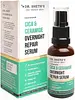
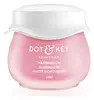
Dr. Sheth's Cica & Ceramide Overnight Repair Serum Versus Dot & Key Skincare Watermelon & Glycolic Face Moisturizer
This barrier-repair serum is formulated around Niacinamide and Centella Asiatica Extract to strengthen the skin barrier and calm redness.
This smoothing moisturizer is formulated around Citrullus Lanatus Fruit Extract and Glycolic Acid to refine skin texture and brighten dull-looking skin.

What's inside
What's inside
 Key Ingredients
Benefits
Concerns
Ingredients Side-by-side
Water
Skin ConditioningShea Butter Ethyl Esters
Emollient

Glycerin
Humectant


Caprylic/Capric Triglyceride
Masking
Squalane
Emollient
Xylitylglucoside
Humectant
Niacinamide
Smoothing








Sodium Polyacrylate Starch
AbsorbentSclerocarya Birrea Seed Oil
Humectant


Cannabis Sativa Seed Oil
Emollient
Narcissus Tazetta Bulb Extract
Astringent

Centella Asiatica Extract
Cleansing
Allantoin
Skin Conditioning
Anhydroxylitol
Humectant
Xylitol
Humectant
Phenoxyethanol
Preservative
Sodium Acrylates Copolymer
Prunus Amygdalus Dulcis Oil
Skin Conditioning
Triticum Vulgare Germ Oil
Emollient
Calendula Officinalis Extract
Skin Conditioning
Chamomilla Recutita Extract
Skin Conditioning
Lecithin
Emollient
Disodium EDTA
ChelatingBHT
Antioxidant
Cetyl-Pg Hydroxyethyl Palmitamide
Skin ConditioningHydrogenated Lecithin
Emulsifying
Ceramide NP
Skin Conditioning
Cholesterol
Emollient
Water, Shea Butter Ethyl Esters, Glycerin, Caprylic/Capric Triglyceride, Squalane, Xylitylglucoside, Niacinamide, Sodium Polyacrylate Starch, Sclerocarya Birrea Seed Oil, Cannabis Sativa Seed Oil, Narcissus Tazetta Bulb Extract, Centella Asiatica Extract, Allantoin, Anhydroxylitol, Xylitol, Phenoxyethanol, Sodium Acrylates Copolymer, Prunus Amygdalus Dulcis Oil, Triticum Vulgare Germ Oil, Calendula Officinalis Extract, Chamomilla Recutita Extract, Lecithin, Disodium EDTA, BHT, Cetyl-Pg Hydroxyethyl Palmitamide, Hydrogenated Lecithin, Ceramide NP, Cholesterol
Water
Skin ConditioningCaprylyl Methicone
Skin Conditioning
PEG-12 Dimethicone/PPG-20 Crosspolymer
Cyclopentasiloxane
Emollient
Dimethicone Crosspolymer
Emulsion Stabilising
Polyacrylamide
C13-14 Isoparaffin
Emollient
Laureth-7
EmulsifyingGlycerin
Humectant
Silanetriol
Hyaluronic Acid
Humectant
Propanediol
Solvent
Citrullus Lanatus Fruit Extract
Skin Conditioning
Prunus Persica Fruit Extract
Abrasive
Urtica Dioica Leaf Extract
Skin ConditioningSaccharum Officinarum Extract
MoisturisingCucumis Sativus Fruit Extract
Emollient
Mentha Piperita Oil
Masking


Glycolic Acid
Buffering
Laminaria Digitata Extract
Skin Protecting
Cetyl-Pg Hydroxyethyl Palmitamide
Skin ConditioningCeramide EOP
Skin Conditioning
Ceramide Ns
Skin Conditioning
Ceramide NP
Skin Conditioning
Ceramide As
Skin Conditioning
Ceramide AP
Skin Conditioning
Acrylates/C10-30 Alkyl Acrylate Crosspolymer
Emulsion StabilisingTriethanolamine
BufferingTocopheryl Acetate
Antioxidant
Disodium EDTA
ChelatingBenzyl Alcohol
Perfuming

Ethylhexylglycerin
Skin ConditioningTocopherol
Antioxidant
Parfum
Masking
CI 45430
Cosmetic ColorantCI 15985
Cosmetic ColorantWater, Caprylyl Methicone, PEG-12 Dimethicone/PPG-20 Crosspolymer, Cyclopentasiloxane, Dimethicone Crosspolymer, Polyacrylamide, C13-14 Isoparaffin, Laureth-7, Glycerin, Silanetriol, Hyaluronic Acid, Propanediol, Citrullus Lanatus Fruit Extract, Prunus Persica Fruit Extract, Urtica Dioica Leaf Extract, Saccharum Officinarum Extract, Cucumis Sativus Fruit Extract, Mentha Piperita Oil, Glycolic Acid, Laminaria Digitata Extract, Cetyl-Pg Hydroxyethyl Palmitamide, Ceramide EOP, Ceramide Ns, Ceramide NP, Ceramide As, Ceramide AP, Acrylates/C10-30 Alkyl Acrylate Crosspolymer, Triethanolamine, Tocopheryl Acetate, Disodium EDTA, Benzyl Alcohol, Ethylhexylglycerin, Tocopherol, Parfum, CI 45430, CI 15985
Ingredients Explained
These ingredients are found in both products.
Ingredients higher up in an ingredient list are typically present in a larger amount.
Ceramide NP (formerly known as Ceramide 3) is one of the skin's naturally occurring lipids.
Since ceramides are the major lipid components of the skin, they are crucial for maintaining skin barrier and hydration. Ceramide NP most closely mirrors the dominant kind in human skin amongst ceramide subtypes.
This ceramide works by slotting into gaps within the stratum corneum's lipid matrix to limit trans-epidermal water loss (TEWL) and shield the skin against external irritants.
A study with 312 patients found that using a ceramide-containing routine for 4 weeks reduced the severity of atopic dermatitis by over 61%.
Another clinical study in subjects aged 60 and older found that a ceramide body wash and moisturizer improved skin dryness and itchy skin in 15 days.
Overall, ceramides are considered non-irritating and safety tests have found little to no observable adverse effects from using this ingredient.
Ceramide NP is usually sourced from plants (like soybean or rice bran), or produced synthetically.
Learn more about Ceramide NPThis ingredient is a synthetic mimic for ceramide NS and is often called a "pseudo-ceramide". It was developed by Kao Corporation in Japan (the same corporation that owns Biore and Curel).
Ceramides play a big role in your stratum corneum, or the outermost layer of skin. Your stratum corneum is structured like a brick wall where skin cells are bricks and ceramides are a big part of the mortar holding everything together.
Aging, harsh cleansers, environmental damage, or skin conditions can cause ceramide levels to drop. This leads to moisture loss, irritation, and dryness.
This is where this ingredient steps in: it's structurally designed with the same key features as natural ceramides. Because of this, it can slot into the lipid layers of your stratum corneum and behave just like real ceramides.
Research on patients with atopic dermatitis, seborrheic dermatitis, and sensitive skin has shown that topical application of this ingredient enhances stratum corneum function.
Another four-week randomized study on lip care found formulas containing 0.5% or 2% of this ingredient improved lip dryness and roughness.
A study on hairdressers with occupational hand dermatitis found that a barrier cream containing this ingredient reduced dryness, scaling, cracking, redness, and itching.
And a more recent study confirmed that this ingredient is absorbed into the stratum corneum and reduces transepidermal water loss (TEWL), just like a real ceramide.
This ingredient is more stable, free from contaminants, and significantly cheaper to produce. This makes it more practical for everyday skincare formulations.
Learn more about Cetyl-Pg Hydroxyethyl PalmitamideDisodium EDTA is a chelating agent. It grabs onto and deactivates metal ions that sneak into your products from water, packaging, or air.
This ingredient mainly works behind the scenes and helps with:
On top of that, this ingredient can counteract the effects of hard water by binding to the minerals in it.
One thing worth knowing is that Disodium EDTA has been shown to be a mild penetration enhancer. It can help other ingredients absorb into skin more effectively which can be a double-edged sword (great for actives, but can also make the active too strong if you have sensitive skin).
Clinical patch testing showed no significant skin irritation at typical use concentrations and minimal dermal absorption.
You'll most likely see this ingredient near the end of an ingredient list. It's typically found in concentrations less than 1%.
Learn more about Disodium EDTAGlycerin (or glycerol) is a compound naturally found in your skin. It's a powerhouse humectant that pulls water into the stratum corneum.
Topically, glycerin does several things at once:
Your skin makes glycerin on its own (mostly from sebaceous oil breakdown) and shuttles it to your outermost layer of skin, or your epidermis, via aquaporin-3.
Aquaporin-3 is a transporter that is essential for normal skin hydration, elasticity, and repair. Interestingly, mice lacking in AQP3 have dry and less elastic skin that can be fully corrected with glycerin.
This ingredient is non-irritating, plays well with almost every ingredient, and works across all skin types. Typical use is anywhere between 3-10% but can go up to 79% in some leave-on products.
Just know very high concentrations (>40%) can feel tacky in low humidity.
Glycerin is the name for this ingredient in American English. British English uses Glycerol/Glycerine.
Learn more about GlycerinWater. It's the most common cosmetic ingredient of all. You'll usually see it at the top of ingredient lists, meaning that it makes up the largest part of the product.
So why is it so popular? Water most often acts as a solvent - this means that it helps dissolve other ingredients into the formulation.
You'll also recognize water as that liquid we all need to stay alive. If you see this, drink a glass of water. Remember to stay hydrated!
Learn more about Water

