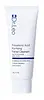
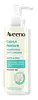
Dr.Leo Polyamino Acid Purifying Facial Cleanser Versus Aveeno Calm + Restore Nourishing Oat Cleanser For Sensitive Skin

What's inside
What's inside
 Key Ingredients
Benefits
Concerns
No concerns
Ingredients Side-by-side
Water
Skin ConditioningGlycerin
Humectant


Dipropylene Glycol
HumectantSodium Cocoamphoacetate
CleansingChondrus Crispus
Masking
Potassium Cocoyl Glycinate
Surfactant
Sodium Lauroyl Sarcosinate
CleansingPotassium Cocoate
Emulsifying
Decyl Glucoside
Cleansing
Sodium Polyacrylate
Absorbent
Propanediol
Solvent
Xanthan Gum
EmulsifyingTrehalose
Humectant
Dipotassium Glycyrrhizate
Humectant

Sodium Lauroyl Glutamate
SurfactantAcacia Senegal Gum
MaskingDecylene Glycol
Skin ConditioningGlyceryl Caprylate
EmollientSerenoa Serrulata Fruit Extract
Skin Conditioning
Cinnamomum Cassia Bark Extract
Masking
Hydrated Silica
Abrasive
Butylene Glycol
Humectant
Betaine
Humectant
Sapindus Mukorossi Peel Extract
Skin ConditioningPanthenol
Skin Conditioning
Sodium PCA
Humectant
Chondrus Crispus Extract
Skin Conditioning
1,2-Hexanediol
Skin Conditioning
Escin
TonicSorbitol
Humectant
Threonine
Arginine
Masking
Lysine
Skin ConditioningAlanine
Masking
Glutamic Acid
Humectant
Glycine
Buffering
Serine
Masking
Proline
Skin Conditioning
Ruscus Aculeatus Root Extract
Astringent
Ammonium Glycyrrhizate
MaskingPhenoxyethanol
Preservative
Centella Asiatica Leaf Extract
Skin Conditioning
Hydrolyzed Yeast Protein
Skin ConditioningCalendula Officinalis Flower Extract
Masking
Hydroxyacetophenone
Antioxidant
Gluconolactone
Skin Conditioning




Sodium Citrate
BufferingSodium Benzoate
Masking
Sodium Hyaluronate
Humectant
Water, Glycerin, Dipropylene Glycol, Sodium Cocoamphoacetate, Chondrus Crispus, Potassium Cocoyl Glycinate, Sodium Lauroyl Sarcosinate, Potassium Cocoate, Decyl Glucoside, Sodium Polyacrylate, Propanediol, Xanthan Gum, Trehalose, Dipotassium Glycyrrhizate, Sodium Lauroyl Glutamate, Acacia Senegal Gum, Decylene Glycol, Glyceryl Caprylate, Serenoa Serrulata Fruit Extract, Cinnamomum Cassia Bark Extract, Hydrated Silica, Butylene Glycol, Betaine, Sapindus Mukorossi Peel Extract, Panthenol, Sodium PCA, Chondrus Crispus Extract, 1,2-Hexanediol, Escin, Sorbitol, Threonine, Arginine, Lysine, Alanine, Glutamic Acid, Glycine, Serine, Proline, Ruscus Aculeatus Root Extract, Ammonium Glycyrrhizate, Phenoxyethanol, Centella Asiatica Leaf Extract, Hydrolyzed Yeast Protein, Calendula Officinalis Flower Extract, Hydroxyacetophenone, Gluconolactone, Sodium Citrate, Sodium Benzoate, Sodium Hyaluronate
Water
Skin ConditioningGlycerin
Humectant
Butylene Glycol
Humectant
Avena Sativa Kernel Flour
Abrasive
Polysorbate 20
Emulsifying
Poloxamer 188
EmulsifyingZea Mays Starch
Absorbent
Acrylates/C10-30 Alkyl Acrylate Crosspolymer
Emulsion StabilisingCaprylyl Glycol
Emollient
Phenoxyethanol
Preservative
Disodium EDTA
Ethylhexylglycerin
Skin ConditioningSodium Polyacrylate
Absorbent
Sodium Hydroxide
BufferingChrysanthemum Parthenium Flower/Leaf/Stem Juice
Antioxidant
Sodium Hyaluronate
Humectant
Water, Glycerin, Butylene Glycol, Avena Sativa Kernel Flour, Polysorbate 20, Poloxamer 188, Zea Mays Starch, Acrylates/C10-30 Alkyl Acrylate Crosspolymer, Caprylyl Glycol, Phenoxyethanol, Disodium EDTA, Ethylhexylglycerin, Sodium Polyacrylate, Sodium Hydroxide, Chrysanthemum Parthenium Flower/Leaf/Stem Juice, Sodium Hyaluronate
Reviews
Ingredients Explained
These ingredients are found in both products.
Ingredients higher up in an ingredient list are typically present in a larger amount.
Butylene Glycol (or BG) is used within cosmetic products for a few different reasons:
Overall, Butylene Glycol is a safe and well-rounded ingredient that works well with other ingredients.
Though this ingredient works well with most skin types, some people with sensitive skin may experience a reaction such as allergic rashes, closed comedones, or itchiness.
Learn more about Butylene GlycolGlycerin (or glycerol) is a compound naturally found in your skin. It's a powerhouse humectant that pulls water into the stratum corneum.
Topically, glycerin does several things at once:
Your skin makes glycerin on its own (mostly from sebaceous oil breakdown) and shuttles it to your outermost layer of skin, or your epidermis, via aquaporin-3.
Aquaporin-3 is a transporter that is essential for normal skin hydration, elasticity, and repair. Interestingly, mice lacking in AQP3 have dry and less elastic skin that can be fully corrected with glycerin.
This ingredient is non-irritating, plays well with almost every ingredient, and works across all skin types. Typical use is anywhere between 3-10% but can go up to 79% in some leave-on products.
Just know very high concentrations (>40%) can feel tacky in low humidity.
Glycerin is the name for this ingredient in American English. British English uses Glycerol/Glycerine.
Learn more about GlycerinPhenoxyethanol is a preservative that has germicide, antimicrobial, and aromatic properties. Studies show that phenoxyethanol can prevent microbial growth. By itself, it has a scent that is similar to that of a rose.
It's often used in formulations along with Caprylyl Glycol to preserve the shelf life of products.
Sodium Hyaluronate is the salt form of hyaluronic acid. It is a long sugar chain that is naturally found in your skin, joints, and connective tissue that maintains hydration and elasticity.
In skincare, it works as a humectant. It pulls water from the environment and deeper layers of skin and binds it to the surface.
Interestingly, the size of the molecule affects its behavior:
Some clinical evidence links low molecular weight versions to improved wrinkle depth, elasticity, anti-inflammatory effects, and barrier repair.
Many serums use a blend of both weights so you can get surface hydration plus longer-lasting and deeper effects.
You'll typically see concentrations between 0.1-2% for this ingredient.
Learn more about Sodium HyaluronateSodium Polyacrylate is the sodium salt of polyacrylic acid. It is used as an absorber, emollient, and stabilizer.
This ingredient is a super-absorbent polymer - meaning it can absorb 100 to 1000 times its mass in water. As an emollient, Sodium Polyacrylate helps soften and soothe skin. Emollients work by creating a barrier to trap moisture in. This helps keep your skin hydrated.
Water. It's the most common cosmetic ingredient of all. You'll usually see it at the top of ingredient lists, meaning that it makes up the largest part of the product.
So why is it so popular? Water most often acts as a solvent - this means that it helps dissolve other ingredients into the formulation.
You'll also recognize water as that liquid we all need to stay alive. If you see this, drink a glass of water. Remember to stay hydrated!
Learn more about Water

