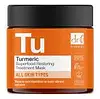
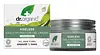
Dr Botanicals Turmeric Superfood Restoring Treatment Mask Versus Dr. Organic Ageless Daily Hydration Gel Cream With Seaweed
This wash off mask is made with Gluconolactone and Hippophae Rhamnoides Fruit Oil for a rinse-off hydration boost.
This anti-aging day moisturizer is formulated around Aloe Barbadensis Leaf Juice Powder and Gluconolactone to soften the look of wrinkles and hydrate skin.

What's inside
What's inside
 Key Ingredients
Benefits
Concerns
Ingredients Side-by-side
Water
Skin ConditioningCaprylic/Capric Triglyceride
Masking


Glycerin
Humectant
Glyceryl Stearate Se
Emulsifying




Cetearyl Alcohol
Emollient
Stearic Acid
Cleansing
Benzyl Alcohol
Perfuming





Ammonium Acryloyldimethyltaurate/Vp Copolymer
Xanthan Gum
EmulsifyingGluconolactone
Chelating






Sodium Benzoate
Masking
Lavandula Angustifolia Oil
Masking

Curcuma Longa Root Extract
Antioxidant
Hippophae Rhamnoides Fruit Oil
Skin Protecting
Linalool
Perfuming
Dehydroacetic Acid
Preservative
Calcium Gluconate
HumectantGeraniol
Perfuming
Isoeugenol
Perfuming
Water, Caprylic/Capric Triglyceride, Glycerin, Glyceryl Stearate Se, Cetearyl Alcohol, Stearic Acid, Benzyl Alcohol, Ammonium Acryloyldimethyltaurate/Vp Copolymer, Xanthan Gum, Gluconolactone, Sodium Benzoate, Lavandula Angustifolia Oil, Curcuma Longa Root Extract, Hippophae Rhamnoides Fruit Oil, Linalool, Dehydroacetic Acid, Calcium Gluconate, Geraniol, Isoeugenol
Water
Skin ConditioningAloe Barbadensis Leaf Juice Powder
Skin Conditioning
Glycerin
Humectant
Dicaprylyl Ether
Emollient
Lauryl Alcohol
Emollient
Butyrospermum Parkii Butter
Skin Conditioning
Cetearyl Alcohol
Emollient
Glyceryl Stearate Se
Emulsifying
Xanthan Gum
EmulsifyingCocos Nucifera Oil
Masking
Theobroma Cacao Seed Butter
Emollient
Betaine
Humectant
Octyldodecanol
Emollient
Rosmarinus Officinalis Leaf Oil
Masking
Collagen
Moisturising
Leuconostoc/Radish Root Ferment Filtrate
Antimicrobial
Helianthus Annuus Seed Oil
Emollient
Gluconolactone
Chelating
Arachidyl Alcohol
Emollient
Behenyl Alcohol
Emollient
Cetearyl Olivate
Arachidyl Glucoside
EmulsifyingSodium Stearoyl Glutamate
CleansingSorbitan Olivate
Emulsifying
Tocopherol
Antioxidant

Calcium Gluconate
HumectantGlucose
Humectant
Dehydroacetic Acid
Preservative
Benzyl Alcohol
Perfuming
Sodium Benzoate
Masking
Chlorophyllin-Copper Complex
Antioxidant
Limonene
Perfuming
Water, Aloe Barbadensis Leaf Juice Powder, Glycerin, Dicaprylyl Ether, Lauryl Alcohol, Butyrospermum Parkii Butter, Cetearyl Alcohol, Glyceryl Stearate Se, Xanthan Gum, Cocos Nucifera Oil, Theobroma Cacao Seed Butter, Betaine, Octyldodecanol, Rosmarinus Officinalis Leaf Oil, Collagen, Leuconostoc/Radish Root Ferment Filtrate, Helianthus Annuus Seed Oil, Gluconolactone, Arachidyl Alcohol, Behenyl Alcohol, Cetearyl Olivate, Arachidyl Glucoside, Sodium Stearoyl Glutamate, Sorbitan Olivate, Tocopherol, Calcium Gluconate, Glucose, Dehydroacetic Acid, Benzyl Alcohol, Sodium Benzoate, Chlorophyllin-Copper Complex, Limonene
Ingredients Explained
These ingredients are found in both products.
Ingredients higher up in an ingredient list are typically present in a larger amount.
Benzyl Alcohol is an aromatic alcohol with several roles: it's a preservative, solvent, and mild fragrance component with a floral scent.
This ingredient has been deemed safe for use in cosmetic formulations at concentrations up to 5%, and up to 10% in hair dyes. You'll typically see 0.5-2% in most rinse-off or leave-on products.
As a preservative, it works by disrupting the membrane of microbial proteins. This helps keep bacteria and fungi from growing in your products.
The sensitization picture is actually quite assuring as well:of nearly 71,000 patients patch tested with benzyl alcohol, only 0.21% showed a positive reaction with most of them being weakly positive.
This led researchers to conclude that benzyl alcohol cannot be regarded as a significant contact allergen.
It is worth noting this ingredient is classified as one of the EU's regulated fragrance allergens and restricted to 1% in finished products.
Labels must also declare it in concentrations above 0.001% in leave-on products and 0.01% in rinse-off products.
At concentrations around 5%, localized redness and itching can appear as a direct irritant response and not as a true allergic reaction.
Learn more about Benzyl AlcoholThis ingredient is calcium salt of gluconic acid. It is a humectant, meaning it attracts water to your skin.
Cetearyl alcohol is a waxy mixture of two fatty alcohols: cetyl alcohol and stearyl alcohol. It is an emollient and emulsifier.
Despite having "alcohol" in its name, it has nothing to do with drying solvent alcohols; the FDA also allows "alcohol-free" products to contain fatty alcohols like this ingredient.
It plays several roles in a formula:
Typical use levels for this ingredient sit around 1-10% and the Cosmetic Ingredient Review Expert Panel has affirmed safety at concentrations up to 25% in leave-on products.
Multiple assessments have found it to be non-irritating and non-sensitizing to most people.
However, there have been some cases of allergic contact dermatitis in patients with chronically compromised skin barriers.
Cetearyl alcohol has a comedogenic rating of 2 and irritancy rating of 1. Both of these numbers come from the 1989 study that used rabbit ears; a "2" means mildly comedogenic and a "1" means low irritancy.
Here's the catch: rabbit skin is more sensitive than human skin and throws a lot of false positives. A 1996 reappraisal found that ingredients rated 1-2 in the rabbit ear tests are generally safe for humans.
Remember comedogenic ratings are unable to assess the entire formula of a product or how it will react on your skin. Just be sure to patch test if you are unsure about certain ingredients.
This ingredient is not fungal acne safe. Cetearyl alcohol is a fatty alcohol with chain lengths that fall within the range that Malassezia can metabolize.
A 2019 study has also observed Malassezia growth in the presence of this ingredient, confirming it to be not-fungal acne safe.
Learn more about Cetearyl AlcoholDehydroacetic Acid is a synthetic preservative that keeps your products safe from microbes.
As an organic acid, it penetrates microbial cell walls and disrupts cellular metabolism. This makes it effective against bacteria, yeast, and mold.
It is effective at low concentrations (<0.6%). Clinical studies have found it to be non-irritating, non-sensitizing, and non-photosensitizing.
Learn more about Dehydroacetic AcidGluconolactone is a PHA. PHAs are a great gentle alternative to traditional AHAs.
When applied, Gluconolactone has the same affect on skin as AHAs such as lactic acid. It helps dissolve the dead skin cells in the top layer of your skin. This improves texture and brightens the skin.
PHAs are more gentle than AHAs due to their larger structure. They do not penetrate as deeply as AHAs and take a longer time to dissolve dead cells. Studies show PHAs do not cause as much irritation.
Gluconolactone has some interesting properties:
In a 2004 study, Gluconolactone was found to prevent UV damage in mouse skin cells and has not been found to increase sun sensitivity. However, we still recommend wearing SPF daily.
This ingredient is is an created by reacting gluconic acid with an alcohol.
Learn more about GluconolactoneGlycerin (or glycerol) is a compound naturally found in your skin. It's a powerhouse humectant that pulls water into the stratum corneum.
Topically, glycerin does several things at once:
Your skin makes glycerin on its own (mostly from sebaceous oil breakdown) and shuttles it to your outermost layer of skin, or your epidermis, via aquaporin-3.
Aquaporin-3 is a transporter that is essential for normal skin hydration, elasticity, and repair. Interestingly, mice lacking in AQP3 have dry and less elastic skin that can be fully corrected with glycerin.
This ingredient is non-irritating, plays well with almost every ingredient, and works across all skin types. Typical use is anywhere between 3-10% but can go up to 79% in some leave-on products.
Just know very high concentrations (>40%) can feel tacky in low humidity.
Glycerin is the name for this ingredient in American English. British English uses Glycerol/Glycerine.
Learn more about GlycerinGlyceryl Stearate SE is a self-emulsifying (SE) form of Glyceryl Stearate. It comes with a small amount of soap (usually potassium or sodium stearate) that gives it the "SE" part.
That soap lets it pull oil and water together on its own which is why it shows up as an emulsifier, thickener, and emollient.
Industry survey data shows this ingredient is used around 1-5% but Glyceryl Stearate goes as high at 17% in a leave-on deodorant.
Safety-wise, it's pretty boring: it's been deemed safe for topical use in 1982 and again most recently in 2021 by the CIR. Human repeat insult patch tests come back non-irritating, non-sensitizing, non-phototoxic, and non-photoallergenic.
This ingredient does carry a comedogenic rating of 3 from the old rabbit-ear assay. Just remember testing finished products in humans showed that formulas built with "comedogenic" ingredients are not necessarily comedogenic themselves. It's worth patch testing if you're breakout prone, and always listen to your skin.
The Malassezia yeast can potentially metabolize the stearic acid in this ingredient, so it may not be fungal acne safe.
Allergy is rare: a 310-patient patch test study of common emulsifiers found this ingredient was not a meaningful reactor. Isolated case reports do exist so a true contact allergy is possible but uncommon.
Learn more about Glyceryl Stearate SeSodium Benzoate is a preservative. It's used in both cosmetic and food products to inhibit the growth of mold and bacteria. It is typically produced synthetically.
Both the US FDA and EU Health Committee have approved the use of sodium benzoate. In the US, levels of 0.1% (of the total product) are allowed.
Sodium benzoate works as a preservative by inhibiting the growth of bacteria inside of cells. It prevents the cell from fermenting a type of sugar using an enzyme called phosphofructokinase.
It is the salt of benzoic acid. Foods containing sodium benzoate include soda, salad dressings, condiments, fruit juices, wines, and snack foods.
Studies for using ascorbic acid and sodium benzoate in cosmetics are lacking, especially in skincare routines with multiple steps.
We always recommend speaking with a professional, such as a dermatologist, if you have any concerns.
Learn more about Sodium BenzoateWater. It's the most common cosmetic ingredient of all. You'll usually see it at the top of ingredient lists, meaning that it makes up the largest part of the product.
So why is it so popular? Water most often acts as a solvent - this means that it helps dissolve other ingredients into the formulation.
You'll also recognize water as that liquid we all need to stay alive. If you see this, drink a glass of water. Remember to stay hydrated!
Learn more about WaterXanthan gum is used as a stabilizer and thickener within cosmetic products. It helps give products a sticky, thick feeling - preventing them from being too runny.
On the technical side of things, xanthan gum is a polysaccharide - a combination consisting of multiple sugar molecules bonded together.
Xanthan gum is a pretty common and great ingredient. It is a natural, non-toxic, non-irritating ingredient that is also commonly used in food products.
Learn more about Xanthan Gum

