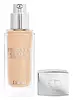
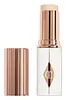
Dior Forever Glow Star Filter Versus Charlotte Tilbury Unreal Skin Sheer Glow Tint Hydrating Foundation Stick


What's inside
What's inside
 Key Ingredients
Benefits
Concerns
Ingredients Side-by-side
Water
Skin ConditioningC9-12 Alkane
SolventMica
Cosmetic ColorantDicaprylyl Ether
Emollient
Coco-Caprylate/Caprate
Emollient
Propanediol
Solvent
Polyglyceryl-6 Polyricinoleate
Emulsifying

Disteardimonium Hectorite
StabilisingPolyglyceryl-2 Isostearate
Emulsifying
Lecithin
Emollient
Copernicia Cerifera Wax Extract
Glycerin
Humectant
Pentylene Glycol
Skin Conditioning
Polyglyceryl-10 Decaisostearate
EmollientHibiscus Sabdariffa Flower Extract
Skin ConditioningIris Florentina Root Extract
MaskingSodium Chloride
MaskingSodium Myristoyl Glutamate
CleansingHydroxyacetophenone
Antioxidant
Ethylhexylglycerin
Skin ConditioningEthylene Brassylate
MaskingSynthetic Fluorphlogopite
Potassium Sorbate
Preservative
Propylene Carbonate
SolventParfum
Masking



Aluminum Hydroxide
EmollientTocopherol
Antioxidant




Hydrolyzed Viola Tricolor Extract
Skin ProtectingCaprylic/Capric Triglyceride
Masking
Polyhydroxystearic Acid
Emulsifying
Tin Oxide
Abrasive
1,2-Hexanediol
Skin Conditioning
Caprylyl Glycol
Emollient
Citric Acid
Buffering
Isostearic Acid
Cleansing
Polyglyceryl-3 Polyricinoleate
Emulsifying
Sodium Benzoate
Masking
CI 77891
Cosmetic ColorantCI 77163
Cosmetic Colorant
CI 77491
Cosmetic ColorantCI 77492
Cosmetic ColorantCI 77499
Cosmetic ColorantWater, C9-12 Alkane, Mica, Dicaprylyl Ether, Coco-Caprylate/Caprate, Propanediol, Polyglyceryl-6 Polyricinoleate, Disteardimonium Hectorite, Polyglyceryl-2 Isostearate, Lecithin, Copernicia Cerifera Wax Extract, Glycerin, Pentylene Glycol, Polyglyceryl-10 Decaisostearate, Hibiscus Sabdariffa Flower Extract, Iris Florentina Root Extract, Sodium Chloride, Sodium Myristoyl Glutamate, Hydroxyacetophenone, Ethylhexylglycerin, Ethylene Brassylate, Synthetic Fluorphlogopite, Potassium Sorbate, Propylene Carbonate, Parfum, Aluminum Hydroxide, Tocopherol, Hydrolyzed Viola Tricolor Extract, Caprylic/Capric Triglyceride, Polyhydroxystearic Acid, Tin Oxide, 1,2-Hexanediol, Caprylyl Glycol, Citric Acid, Isostearic Acid, Polyglyceryl-3 Polyricinoleate, Sodium Benzoate, CI 77891, CI 77163, CI 77491, CI 77492, CI 77499
C15-19 Alkane
SolventOctyldodecanol
Emollient
Tridecyl Trimellitate
EmollientMica
Cosmetic ColorantPentaerythrityl Tetraisostearate
Emollient
Polyethylene
Abrasive
Bis-Diglyceryl Polyacyladipate-2
Emollient
Sucrose Tetrastearate Triacetate
Emollient
Raphanus Sativus Seed Extract
Skin ConditioningCera Microcristallina
Emulsion StabilisingSilica
Abrasive

Silica Silylate
Emollient
Helianthus Annuus Seed Oil
Emollient
Tocopheryl Acetate
Antioxidant
Disteardimonium Hectorite
StabilisingPentaerythrityl Tetra-Di-T-Butyl Hydroxyhydrocinnamate
Antioxidant
Triethoxycaprylylsilane

Ricinus Communis Seed Oil
Masking
Hydrolyzed Sodium Hyaluronate
Skin Conditioning
Lupinus Albus Seed Extract
Skin ConditioningDicalcium Phosphate
Abrasive
Sodium Hyaluronate
Humectant
Hydrogenated Castor Oil
Emollient
Rosmarinus Officinalis Leaf Extract
AntimicrobialTocopherol
Antioxidant
Tin Oxide
Abrasive
CI 77891
Cosmetic ColorantCI 77491
Cosmetic ColorantCI 77492
Cosmetic ColorantCI 42090
Cosmetic ColorantC15-19 Alkane, Octyldodecanol, Tridecyl Trimellitate, Mica, Pentaerythrityl Tetraisostearate, Polyethylene, Bis-Diglyceryl Polyacyladipate-2, Sucrose Tetrastearate Triacetate, Raphanus Sativus Seed Extract, Cera Microcristallina, Silica, Silica Silylate, Helianthus Annuus Seed Oil, Tocopheryl Acetate, Disteardimonium Hectorite, Pentaerythrityl Tetra-Di-T-Butyl Hydroxyhydrocinnamate, Triethoxycaprylylsilane, Ricinus Communis Seed Oil, Hydrolyzed Sodium Hyaluronate, Lupinus Albus Seed Extract, Dicalcium Phosphate, Sodium Hyaluronate, Hydrogenated Castor Oil, Rosmarinus Officinalis Leaf Extract, Tocopherol, Tin Oxide, CI 77891, CI 77491, CI 77492, CI 42090
Ingredients Explained
These ingredients are found in both products.
Ingredients higher up in an ingredient list are typically present in a larger amount.
Ci 77491 is also hydrated iron III oxide. It's sole purpose is to give a red/pink hue to products.
Iron III oxides are classified as inorganic chemicals for coloring.
Synthetically created Ci 77491 is considered safer than those naturally found. This is because the synthetically created version may contain less impurities. Iron oxides are generally non-toxic and non-allergenic.
Learn more about CI 77491CI 77492 is also hydrated iron III oxide. It's sole purpose is to give a yellow hue to products.
Iron III oxides are classified as inorganic chemicals for coloring.
Synthetically created CI 77492 is considered safer than those naturally found. This is because the synthetically created version may contain less impurities. Iron oxides are generally non-toxic and non-allergenic.
Learn more about CI 77492Ci 77891 is a white pigment from Titanium dioxide. It is naturally found in minerals such as rutile and ilmenite.
It's main function is to add a white color to cosmetics. It can also be mixed with other colors to create different shades.
Ci 77891 is commonly found in sunscreens due to its ability to block UV rays.
Learn more about CI 77891Disteardimonium Hectorite comes from the clay mineral named hectorite. It is used to add thickness to a product.
It can also help stabilize a product by helping to disperse other ingredients.
Hectorite is a rare, white clay mineral.
Learn more about Disteardimonium HectoriteMica is a naturally occurring mineral used to add shimmer and color in cosmetics. It can also help improve the texture of a product or give it an opaque, white/silver color.
Serecite is the name for very fine but ragged grains of mica.
This ingredient is often coated with metal oxides like titanium dioxide. Trace amounts of heavy metals may be found in mica, but these metals are not harmful in our personal products.
Mica has been used since prehistoric times throughout the world. Ancient Egyptian, Indian, Greek, Roman, Aztec, and Chinese civilizations have used mica.
Learn more about MicaTin Oxide is an inorganic oxide used to add opacity and volume to a product. In nature, it is already found in mineral form. The main ore of tin is an opaque and shiny mineral called casseterite.
Tin Oxide helps remove translucency in a product, or make it more opaque. Besides adding opacity, tin oxide is used for bulking to add volume.
Tocopherol is a fat-soluble antioxidant known as Vitamin E.
You'll find this ingredient in the vast majority of skincare (for good reason). It works to neutralize free radicals, or unstable molecules generated by UV exposure, pollution, and other environmental stressors, before they can cause oxidative damage to your skin cells.
Topically applied tocopherol has been shown to protect against UV damage by ramping up the skin's own natural defense enzymes.
It also acts as a skin conditioning agent; some studies show that regular topical use can improve the skin's water-binding capacity over 2-4 weeks.
This ingredient is especially loved for being a team player. When combined with Vitamin C, the photoprotective effect of both ingredients roughly doubles and the combo also helps reduce UV-induced DNA damage.
This ingredient has some brightening potential but it's more of a prevention ingredient than spot-fader. Cell studies show it can slow down melanin production but it's worth noting that it's not the most powerful brightener out there.
In formulations, it also serves as a stabilizer that helps protect other oxidation-prone ingredients from degrading.
Concentrations usually range from 0.1-1% in most leave-on products.
Learn more about Tocopherol

