
What's inside
What's inside
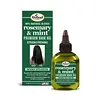 Key Ingredients
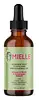
Benefits
Concerns
Ingredients Side-by-side
Glycine Soja Oil
Emollient








Canola Oil
Emollient
Parfum
Masking


Rosmarinus Officinalis Leaf Oil
Masking
Mentha Piperita Oil
Masking


Mentha Arvensis Leaf Oil
Masking
Ricinus Communis Seed Oil
Masking
Prunus Amygdalus Dulcis Oil
Skin Conditioning
Limnanthes Alba Seed Oil
Skin Conditioning
Helianthus Annuus Seed Oil
Emollient
Cucumis Sativus Fruit Extract
Emollient
Olea Europaea Leaf Extract
Perfuming
Eucalyptus Globulus Leaf Extract
Perfuming
Hypericum Perforatum Flower/Leaf/Stem Extract
Skin ConditioningRosa Canina Fruit Extract
Astringent
Citrus Grandis Peel Extract
Astringent
Salix Alba Bark Extract
Astringent
Menthol
Masking
BHT
Antioxidant
Amyl Cinnamal
Perfuming
Hexyl Cinnamal
Perfuming
Linalool
Perfuming
Limonene
Perfuming
Coumarin
Perfuming
Citronellol
Perfuming
Isoeugenol
Perfuming
Eugenol
Perfuming
Citral
Perfuming
Glycine Soja Oil, Canola Oil, Parfum, Rosmarinus Officinalis Leaf Oil, Mentha Piperita Oil, Mentha Arvensis Leaf Oil, Ricinus Communis Seed Oil, Prunus Amygdalus Dulcis Oil, Limnanthes Alba Seed Oil, Helianthus Annuus Seed Oil, Cucumis Sativus Fruit Extract, Olea Europaea Leaf Extract, Eucalyptus Globulus Leaf Extract, Hypericum Perforatum Flower/Leaf/Stem Extract, Rosa Canina Fruit Extract, Citrus Grandis Peel Extract, Salix Alba Bark Extract, Menthol, BHT, Amyl Cinnamal, Hexyl Cinnamal, Linalool, Limonene, Coumarin, Citronellol, Isoeugenol, Eugenol, Citral
Glycine Soja Oil
Emollient
Ricinus Communis Seed Oil
Masking
Rosmarinus Officinalis Leaf Oil
Masking
Simmondsia Chinensis Seed Oil
Emollient
Mentha Piperita Oil
Masking
Eucalyptus Globulus Leaf Oil
Perfuming
Menthol
Masking
Melaleuca Alternifolia Leaf Oil
Antioxidant
Cocos Nucifera Oil
Masking
Equisetum Arvense Extract
AstringentAloe Barbadensis Extract
Skin Conditioning
Lavandula Angustifolia Oil
Masking
Triticum Vulgare Germ Oil
Emollient
Carthamus Tinctorius Seed Oil
Masking
Oenothera Biennis Oil
Emollient
Vitis Vinifera Seed Oil
Emollient
Benzyl Nicotinate
Skin ConditioningPrunus Amygdalus Dulcis Oil
Skin Conditioning
Oryza Sativa Bran Oil
Emollient
Tocopheryl Acetate
Antioxidant

Biotin
AntiseborrhoeicArctium Lappa Root Extract
Skin Conditioning
Glycerin
Humectant
Apium Graveolens Seed Extract
Antioxidant
Retinyl Palmitate
Skin Conditioning
Cholecalciferol
Ascorbic Acid
Antioxidant


Ocimum Basilicum Oil
Masking
Pogostemon Cablin Leaf Oil
Masking
Salvia Officinalis Oil
Masking
Silica
Abrasive

Urtica Dioica Extract
AstringentGlycine Soja Oil, Ricinus Communis Seed Oil, Rosmarinus Officinalis Leaf Oil, Simmondsia Chinensis Seed Oil, Mentha Piperita Oil, Eucalyptus Globulus Leaf Oil, Menthol, Melaleuca Alternifolia Leaf Oil, Cocos Nucifera Oil, Equisetum Arvense Extract, Aloe Barbadensis Extract, Lavandula Angustifolia Oil, Triticum Vulgare Germ Oil, Carthamus Tinctorius Seed Oil, Oenothera Biennis Oil, Vitis Vinifera Seed Oil, Benzyl Nicotinate, Prunus Amygdalus Dulcis Oil, Oryza Sativa Bran Oil, Tocopheryl Acetate, Biotin, Arctium Lappa Root Extract, Glycerin, Apium Graveolens Seed Extract, Retinyl Palmitate, Cholecalciferol, Ascorbic Acid, Ocimum Basilicum Oil, Pogostemon Cablin Leaf Oil, Salvia Officinalis Oil, Silica, Urtica Dioica Extract
Reviews
Ingredients Explained
These ingredients are found in both products.
Ingredients higher up in an ingredient list are typically present in a larger amount.
Glycine Soja Oil is a plant-derived oil from soybean seeds. Like other oils, it is rich in essential fatty acids (mostly linoleic and oleic) that support skin hydration and barrier function.
The fatty acids are able to integrate into the lipid matrix of the stratum corneum to help soften skin and reduce water loss.
On top of that, soybean oil is rich in vitamins like vitamin E, a potent antioxidant.
Research on soybean's active components also point to anti-inflammatory, collagen-stimulating, antioxidant activity, and protection against UV-induced oxidative damage.
Most of this research applies to the broader soybean plant and not just the oil fraction alone.
This ingredient does carry a comedogenic rating of 3 from the old rabbit-ear assay. Just remember testing finished products in humans showed that formulas built with "comedogenic" ingredients are not necessarily comedogenic themselves. It's worth patch testing if you're breakout prone, and always listen to your skin.
Because this ingredient is a saturated triglyceride, it may not be fungal acne safe. This is because Malassezia breaks down sebum triglycerides into fatty acids it can consume, making this ingredient a possible source for the yeast.
Learn more about Glycine Soja OilThis essential oil is steam-distilled from peppermint leaves, also known as peppermint oil. It's mainly used for scent in skincare but also provides that signature "cooling" sensation.
Peppermint oil is a "feels amazing" ingredient until it doesn't.
At higher doses or for those with sensitive skin, methol-type cooling can quickly turn into burning/irritation. It can also trigger irritant dermatitis or even allergic contact dermatitis. In a large patch-test dataset, peppermint oil had a low but positive rate for this.
In cosmetics, Cosmetic Safety Reviews (CIR) concludes that peppermint oil is safe to use when formulated to be non-sensitizing with some restrictions; for instance, pulegone, a naturally occurring component of peppermint oil, should not exceed 1%.
Since peppermint oil contains fragrance allergens such as limonene, linalool, and menthol, it can be sensitizing for those with rosacea, eczema, a broken skin barrier, or just sensitive skin in general.
In Japan, this ingredient is known as Hakka Yu.
Learn more about Mentha Piperita OilMenthol is a compound found in mint plants, such as peppermint. In its pure form, it is a clear crystalline substance.
Menthol is known for its cooling sensation; however, the cooling is actually from your skin being sensitized. Menthol can worsen rosacea. We recommend speaking with a professional if you have concerns.
Menthol also has antimicrobial properties.
Learn more about MentholThis ingredient is also known as sweet almond oil. It is a lightweight, cold-pressed oil from the ripe seeds of the sweet almond tree.
Sweet almond oil is rich in skin-nourishing fatty acids such as oleic acid (55-86%) and linolenic acid (7-35%).
As an emollient, it softens and hydrates skin by forming a thin barrier that locks in moisture.
Clinical studies have found it to be non-irritating and non-sensitizing. The CIR Expert Panel has evaluated the available safety data and concluded it is safe for topical use.
Because of the oleic acid content, this ingredient may not be fungal acne safe.
This ingredient does have a comedogenic rating of 3, but this doesn't mean a formula with this ingredient will clog pores.
Human testing has proved that any finished product with a comedogenic ingredient won't automatically make you break out; it really comes down to concentration, formula, and your skin.
Learn more about Prunus Amygdalus Dulcis OilThis ingredient is also known as castor oil. It is a skin conditioning ingredient.
The star component of castor oil is ricinoleic acid, an unusual fatty acid that makes up ~80-92% of its composition.
In skincare, it is an emollient that dries down to a solid film with water-binding properties. This helps keep skin hydrated and helps reduce transepidermal water loss (TEWL).
A 2026 dermatology review pulls together its broader uses:
Human clinical testing found this ingredient to be non-irritating and non-sensitizing.
Because castor oil contains fatty acids in the C11-24 range, this ingredient may not be fungal acne safe.
At this time, the literature does not support castor oil in regrowing hair. A 2022 systematic review found no strong evidence that it supports hair growth and only weak evidence that it improves hair shine.
Castor oil itself carries "perfuming" and "masking" function tags according to the official CosIng database. This is because of its mild odor and odor-dampening properties.
Learn more about Ricinus Communis Seed OilRosmarinus Officinalis Leaf Oil is an essential oil also known as rosemary essential oil. In skincare, it is a skin conditioning agent and also acts as a natural fragrance that gives products a fresh/herby smell.
The oil is a mix of over 100 volatile compounds with 1,8-cineole, α-pinene, camphor, and verbenone usually leading the pack.
Lab studies credit this oil with antioxidant, anti-inflammatory, and antimicrobial activity. Some research even show rosemary compounds calming acne-related inflammation.
The Cosmetic Ingredient Review (CIR) has concluded rosemary-derived ingredients to be safe when formulated to be nonsensitizing.
Since this is a fragrant essential oil, the main concern is for fragrance-sensitive folks.
Learn more about Rosmarinus Officinalis Leaf Oil

