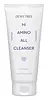
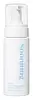
This mild foaming cleanser is made to cleanse while calming and soothing your skin.

What's inside
What's inside
 Key Ingredients
No key ingredients
Benefits
Concerns
No concerns
Ingredients Side-by-side
Water
Skin ConditioningMyristic Acid
Cleansing




Glycerin
Humectant

Potassium Hydroxide
BufferingPalmitic Acid
Emollient
Stearic Acid
Cleansing
Lauric Acid
Cleansing
1,2-Hexanediol
Skin Conditioning
Sorbitan Olivate
Emulsifying
Glycol Distearate
Emollient
Cocamidopropyl Betaine
Cleansing

Glyceryl Caprylate
EmollientPolyquaternium-7
Sodium Lauroyl Oat Amino Acids
CleansingPolyquaternium-39
Sodium Chloride
MaskingOleic Acid
Emollient
Arachidonic Acid
Emollient
Panthenol
Skin Conditioning

Allantoin
Skin Conditioning
Capric Acid
Cleansing

Sodium Cocoyl Apple Amino Acids
Foam Boosting
Butylene Glycol
Humectant
Hexylene Glycol
EmulsifyingTetrasodium Glutamate Diacetate
ChelatingSilk Amino Acids
HumectantCaprylic/Capric Triglyceride
Masking
Nelumbo Nucifera Flower Extract
Skin ConditioningCoix Lacryma-Jobi Ma-Yuen Seed Extract
Skin ConditioningMoringa Oleifera Seed Oil
Emollient
Disodium EDTA
ChelatingSodium Benzoate
Masking
Chlorphenesin
Antimicrobial
Rosmarinus Officinalis Leaf Oil
Masking
Water, Myristic Acid, Glycerin, Potassium Hydroxide, Palmitic Acid, Stearic Acid, Lauric Acid, 1,2-Hexanediol, Sorbitan Olivate, Glycol Distearate, Cocamidopropyl Betaine, Glyceryl Caprylate, Polyquaternium-7, Sodium Lauroyl Oat Amino Acids, Polyquaternium-39, Sodium Chloride, Oleic Acid, Arachidonic Acid, Panthenol, Allantoin, Capric Acid, Sodium Cocoyl Apple Amino Acids, Butylene Glycol, Hexylene Glycol, Tetrasodium Glutamate Diacetate, Silk Amino Acids, Caprylic/Capric Triglyceride, Nelumbo Nucifera Flower Extract, Coix Lacryma-Jobi Ma-Yuen Seed Extract, Moringa Oleifera Seed Oil, Disodium EDTA, Sodium Benzoate, Chlorphenesin, Rosmarinus Officinalis Leaf Oil









Reviews
Ingredients Explained
These ingredients are found in both products.
Ingredients higher up in an ingredient list are typically present in a larger amount.
Butylene Glycol (or BG) is used within cosmetic products for a few different reasons:
Overall, Butylene Glycol is a safe and well-rounded ingredient that works well with other ingredients.
Though this ingredient works well with most skin types, some people with sensitive skin may experience a reaction such as allergic rashes, closed comedones, or itchiness.
Learn more about Butylene GlycolGlycerin (or glycerol) is a compound naturally found in your skin. It's a powerhouse humectant that pulls water into the stratum corneum.
Topically, glycerin does several things at once:
Your skin makes glycerin on its own (mostly from sebaceous oil breakdown) and shuttles it to your outermost layer of skin, or your epidermis, via aquaporin-3.
Aquaporin-3 is a transporter that is essential for normal skin hydration, elasticity, and repair. Interestingly, mice lacking in AQP3 have dry and less elastic skin that can be fully corrected with glycerin.
This ingredient is non-irritating, plays well with almost every ingredient, and works across all skin types. Typical use is anywhere between 3-10% but can go up to 79% in some leave-on products.
Just know very high concentrations (>40%) can feel tacky in low humidity.
Glycerin is the name for this ingredient in American English. British English uses Glycerol/Glycerine.
Learn more about GlycerinGlyceryl Caprylate comes from glycerin and caprylic acid. It is an emollient, co-emulsifier, and preservative booster.
Its short C8 fatty acid chain makes it behave differently from its longer-chain emollient cousins like Glyceryl Stearate. It feels more lightweight, fast-absorbing, and silky instead of rich and waxy.
As a co-emulsifier, its "head" and "tail" sit at the oil-water interface. But overall, the short C8 tail and not being water soluble means it doesn't really have the muscle to emulsify a formula on its own. That's why you'll often see it paired with a primary emulsifier like Cetearyl Glucoside.
Interestingly, Glyceryl Caprylate acts as a preservative booster. This is because its fatty-acid backbone disrupts microbial lipid membranes. It shows excellent activity against bacteria and yeast but is weaker against mold.
Typical concentrations range from 0.5-1% and this ingredient is generally non-irritating.
Because this ingredient has a C8 fatty acid chain, it is outside the range that the Malassezia yeast metabolizes (making it fungal acne safe).
Learn more about Glyceryl CaprylatePanthenol is a common ingredient that helps hydrate and soothe the skin. It is found naturally in our skin and hair.
There are two forms of panthenol: D and L.
D-panthenol is also known as dexpanthenol. Most cosmetics use dexpanthenol or a mixture of D and L-panthenol.
Panthenol is famous due to its ability to go deeper into the skin's layers. Using this ingredient has numerous pros (and no cons):
Like hyaluronic acid, panthenol is a humectant. Humectants are able to bind and hold large amounts of water to keep skin hydrated.
This ingredient works well for wound healing. It works by increasing tissue in the wound and helps close open wounds.
Once oxidized, panthenol converts to pantothenic acid. Panthothenic acid is found in all living cells.
This ingredient is also referred to as pro-vitamin B5.
Learn more about PanthenolWater. It's the most common cosmetic ingredient of all. You'll usually see it at the top of ingredient lists, meaning that it makes up the largest part of the product.
So why is it so popular? Water most often acts as a solvent - this means that it helps dissolve other ingredients into the formulation.
You'll also recognize water as that liquid we all need to stay alive. If you see this, drink a glass of water. Remember to stay hydrated!
Learn more about Water

