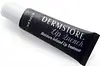
This barrier-repair lip moisturizer is formulated around Petrolatum and Ceramide NP to strengthen the lip barrier and hydrate lips.
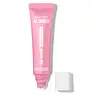
This barrier-repair lip moisturizer is formulated around Squalane and Butyrospermum Parkii Butter to strengthen the lip barrier and hydrate lips.


What's inside
What's inside
 Key Ingredients
Benefits
Concerns
Ingredients Side-by-side
Hydrogenated Polyisobutene
EmollientPetrolatum
Emollient



Ethylene/Propylene/Styrene Copolymer
Butylene/Ethylene/Styrene Copolymer
Beeswax
Emulsion Stabilising



Brassica Campestris/Aleurites Fordi Oil Copolymer
Skin Conditioning
Tocopheryl Acetate
Antioxidant


Olea Europaea Fruit Oil
Masking
Glycine Soja Oil
Emollient

Prunus Amygdalus Dulcis Oil
Skin Conditioning
Ethylhexyl Palmitate
Emollient
Ceramide NP
Skin Conditioning



Tribehenin
Emollient
Propylparaben
Preservative


Sorbitan Isostearate
Emulsifying
Palmitoyl Oligopeptide
Cleansing
Parfum
Masking
Mica
Cosmetic ColorantTitanium Dioxide
Cosmetic Colorant
Iron Oxides
Hydrogenated Polyisobutene, Petrolatum, Ethylene/Propylene/Styrene Copolymer, Butylene/Ethylene/Styrene Copolymer, Beeswax, Brassica Campestris/Aleurites Fordi Oil Copolymer, Tocopheryl Acetate, Olea Europaea Fruit Oil, Glycine Soja Oil, Prunus Amygdalus Dulcis Oil, Ethylhexyl Palmitate, Ceramide NP, Tribehenin, Propylparaben, Sorbitan Isostearate, Palmitoyl Oligopeptide, Parfum, Mica, Titanium Dioxide, Iron Oxides
Diisostearyl Malate
EmollientPolybutene
Bis-Behenyl/Isostearyl/Phytosteryl Dimer Dilinoleyl Dimer Dilinoleate
EmollientHydrogenated Polyisobutene
EmollientSqualane
Emollient
Bis-Diglyceryl Polyacyladipate-2
Emollient
Polyethylene
Abrasive
Microcrystalline Wax
Emulsion StabilisingMica
Cosmetic ColorantSynthetic Fluorphlogopite
Phenyl Trimethicone
Skin Conditioning
Butyrospermum Parkii Butter
Skin Conditioning
Simmondsia Chinensis Butter
Skin Conditioning
Diisopropyl Dimer Dilinoleate
Emollient
Silica Silylate
Emollient
Octyldodecyl Neopentanoate
EmollientCetearyl Ethylhexanoate
Emollient
Citrus Aurantium Amara Flower Extract
RefreshingDisteardimonium Hectorite
StabilisingGlycine Soja Oil
Emollient
Jasminum Officinale Flower Extract
Masking
Lavandula Angustifolia Flower Extract
Cleansing
Olus Oil
Emollient
Paeonia Officinalis Flower Extract
TonicPalmitoyl Tripeptide-38
Skin Conditioning
Portulaca Pilosa Extract
Skin ConditioningRose Flower Oil/Extract
Sambucus Nigra Flower Extract
RefreshingSorbitan Isostearate
Emulsifying
Sucrose Cocoate
Emulsifying

Tocopheryl Acetate
Antioxidant
Triethyl Citrate
Masking
Parfum
Masking
Vanillin
Masking
Benzoic Acid
Masking
Alcohol
Antimicrobial
Water
Skin ConditioningTocopherol
Antioxidant
CI 15850
Cosmetic ColorantCI 77891
Cosmetic ColorantCI 19140
Cosmetic ColorantDiisostearyl Malate, Polybutene, Bis-Behenyl/Isostearyl/Phytosteryl Dimer Dilinoleyl Dimer Dilinoleate, Hydrogenated Polyisobutene, Squalane, Bis-Diglyceryl Polyacyladipate-2, Polyethylene, Microcrystalline Wax, Mica, Synthetic Fluorphlogopite, Phenyl Trimethicone, Butyrospermum Parkii Butter, Simmondsia Chinensis Butter, Diisopropyl Dimer Dilinoleate, Silica Silylate, Octyldodecyl Neopentanoate, Cetearyl Ethylhexanoate, Citrus Aurantium Amara Flower Extract, Disteardimonium Hectorite, Glycine Soja Oil, Jasminum Officinale Flower Extract, Lavandula Angustifolia Flower Extract, Olus Oil, Paeonia Officinalis Flower Extract, Palmitoyl Tripeptide-38, Portulaca Pilosa Extract, Rose Flower Oil/Extract, Sambucus Nigra Flower Extract, Sorbitan Isostearate, Sucrose Cocoate, Tocopheryl Acetate, Triethyl Citrate, Parfum, Vanillin, Benzoic Acid, Alcohol, Water, Tocopherol, CI 15850, CI 77891, CI 19140
Ingredients Explained
These ingredients are found in both products.
Ingredients higher up in an ingredient list are typically present in a larger amount.
Glycine Soja Oil is a plant-derived oil from soybean seeds. Like other oils, it is rich in essential fatty acids (mostly linoleic and oleic) that support skin hydration and barrier function.
The fatty acids are able to integrate into the lipid matrix of the stratum corneum to help soften skin and reduce water loss.
On top of that, soybean oil is rich in vitamins like vitamin E, a potent antioxidant.
Research on soybean's active components also point to anti-inflammatory, collagen-stimulating, antioxidant activity, and protection against UV-induced oxidative damage.
Most of this research applies to the broader soybean plant and not just the oil fraction alone.
This ingredient does carry a comedogenic rating of 3 from the old rabbit-ear assay. Just remember testing finished products in humans showed that formulas built with "comedogenic" ingredients are not necessarily comedogenic themselves. It's worth patch testing if you're breakout prone, and always listen to your skin.
Because this ingredient is a saturated triglyceride, it may not be fungal acne safe. This is because Malassezia breaks down sebum triglycerides into fatty acids it can consume, making this ingredient a possible source for the yeast.
Learn more about Glycine Soja OilHydrogenated Polyisobutene is a synthetic polymer. Polymers are compounds with high molecular weight. Hydrogenated Polyisobutene is an emollient and texture enhancer.
In one study, Hydrogenated Polyisobutene showed better skin hydration levels than Caprylic/Capric Triglyceride. As an emollient, it helps keep your skin soft and hydrated by trapping moisture in.
Hydrogenated Polyisobutene is often used as a mineral oil replacement.
Learn more about Hydrogenated PolyisobuteneMica is a naturally occurring mineral used to add shimmer and color in cosmetics. It can also help improve the texture of a product or give it an opaque, white/silver color.
Serecite is the name for very fine but ragged grains of mica.
This ingredient is often coated with metal oxides like titanium dioxide. Trace amounts of heavy metals may be found in mica, but these metals are not harmful in our personal products.
Mica has been used since prehistoric times throughout the world. Ancient Egyptian, Indian, Greek, Roman, Aztec, and Chinese civilizations have used mica.
Learn more about MicaParfum is a catch-all term for an ingredient or more that is used to give a scent to products.
Also called "fragrance", this ingredient can be a blend of hundreds of chemicals or plant oils. This means every product with "fragrance" or "parfum" in the ingredients list is a different mixture.
For instance, Habanolide is a proprietary trade name for a specific aroma chemical. When used as a fragrance ingredient in cosmetics, most aroma chemicals fall under the broad labeling category of “FRAGRANCE” or “PARFUM” according to EU and US regulations.
The term 'parfum' or 'fragrance' is not regulated in many countries. In many cases, it is up to the brand to define this term.
For instance, many brands choose to label themselves as "fragrance-free" because they are not using synthetic fragrances. However, their products may still contain ingredients such as essential oils that are considered a fragrance by INCI standards.
One example is Calendula flower extract. Calendula is an essential oil that still imparts a scent or 'fragrance'.
Depending on the blend, the ingredients in the mixture can cause allergies and sensitivities on the skin. Some ingredients that are known EU allergens include linalool and citronellol.
Parfum can also be used to mask or cover an unpleasant scent.
The bottom line is: not all fragrances/parfum/ingredients are created equally. If you are worried about fragrances, we recommend taking a closer look at an ingredient. And of course, we always recommend speaking with a professional.
Learn more about ParfumSorbitan Isostearate is an emulsifer. It is created from isostearic acid and sorbitol.
As an emulsifier, it keeps the water and oil ingredients from separating. This keeps formulas stable and smooth.
In a 24 hour occlusive patch test on 56 subjects, 10% sorbitan isostearate was completely non-irritating. Most formulas use less than 10%.
Because it's a fatty acid ester, it may not be fungal acne safe since the Malassezia yeast can utilize it as a nutrient source.
Learn more about Sorbitan IsostearateTocopheryl Acetate is a stable, shelf-friendly form of vitamin E.
Formulators love it because plain vitamin E oxidizes quickly once it hits air. This acetate version stays stable and resists going off, helping to extend a product's shelf life.
It's actually inactive on its own and works like a slow-release "storage" form; the enzymes in your skin called esterases gradually convert it into active vitamin E over time.
One in vivo study showed 5% of the acetate in the living layer of the epidermis converted to vitamin E after 5 days of application. This study also found the skin gained protection against UV damage even though the conversion was slow and small.
Once converted, vitamin E acts as a skin's main fat-soluble antioxidant that fights free radicals to protect skin from damage.
Topical vitamin E generally boosts the skin's photoprotection, and it reduced UV-damage in animal models.
This ingredient has some brightening potential but it's more of a prevention ingredient than spot-fader. Cell studies show it can slow down melanin production but it's worth noting that it's not the most powerful brightener out there.
Overall, it has a pretty solid safety profile and has been found to be non-irritating and non-comedogenic. Allergic reactions may happen but stay rare due to how widely the ingredient gets used.
The concentration will vary depending on the formula; industry data shows 0.1% in baby lotions, 3% in lipsticks, and 5% in foot powders. You can also find this ingredient at 100% in a pure vitamin E oil.
Most leave-on skincare keeps it at the lower end, often between 0.5-1%.
Learn more about Tocopheryl Acetate

