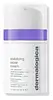
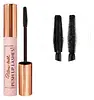
Dermalogica Stabilizing Repair Cream Moisturizer Versus Charlotte Tilbury Pillow Talk Push Up Lashes Mascara
This barrier-repair moisturizer is formulated around Squalane and Dipotassium Glycyrrhizate to strengthen the skin barrier and calm redness.


What's inside
What's inside
 Key Ingredients
Benefits
Concerns
Ingredients Side-by-side
Water
Skin ConditioningButylene Glycol
Humectant

Glycerin
Humectant
Squalane
Emollient
Butyrospermum Parkii Butter
Skin Conditioning




Caprylic/Capric Triglyceride
Masking
Palmitic Acid
Emollient
Simmondsia Chinensis Seed Oil
Emollient
Glyceryl Stearate Se
Emulsifying
Propanediol
Solvent
Hexyldecanol
Emollient
Polyglyceryl-3 Methylglucose Distearate
Emulsifying
Hydroxyacetophenone
Antioxidant
Dipotassium Glycyrrhizate
Humectant

Centella Asiatica Extract
Cleansing
Boerhavia Diffusa Root Extract
Skin Protecting
Myrothamnus Flabellifolia Leaf/Stem Extract
HumectantTasmannia Lanceolata Leaf Extract
Skin ConditioningBrassica Campestris Sterols
EmollientZingiber Officinale Root Extract
Masking
Tocopherol
Antioxidant


Lactobacillus Ferment
Skin Conditioning
Cetylhydroxyproline Palmitamide
Skin ConditioningCaprylyl Glycol
Emollient
Triolein
Skin Conditioning
Maltodextrin
Absorbent
Bisabolol
Antioxidant
Xanthan Gum
EmulsifyingCetearyl Alcohol
Emollient
Myristic Acid
Cleansing
Tetrasodium Glutamate Diacetate
Hydroxystearic Acid
Cleansing
1,2-Hexanediol
Skin Conditioning
Sodium Hydroxide
BufferingCitric Acid
Buffering
Sodium Polyacryloyldimethyl Taurate
Emulsion StabilisingAmmonium Acryloyldimethyltaurate/Vp Copolymer
Stearic Acid
Cleansing
Acacia Senegal Gum
MaskingWater, Butylene Glycol, Glycerin, Squalane, Butyrospermum Parkii Butter, Caprylic/Capric Triglyceride, Palmitic Acid, Simmondsia Chinensis Seed Oil, Glyceryl Stearate Se, Propanediol, Hexyldecanol, Polyglyceryl-3 Methylglucose Distearate, Hydroxyacetophenone, Dipotassium Glycyrrhizate, Centella Asiatica Extract, Boerhavia Diffusa Root Extract, Myrothamnus Flabellifolia Leaf/Stem Extract, Tasmannia Lanceolata Leaf Extract, Brassica Campestris Sterols, Zingiber Officinale Root Extract, Tocopherol, Lactobacillus Ferment, Cetylhydroxyproline Palmitamide, Caprylyl Glycol, Triolein, Maltodextrin, Bisabolol, Xanthan Gum, Cetearyl Alcohol, Myristic Acid, Tetrasodium Glutamate Diacetate, Hydroxystearic Acid, 1,2-Hexanediol, Sodium Hydroxide, Citric Acid, Sodium Polyacryloyldimethyl Taurate, Ammonium Acryloyldimethyltaurate/Vp Copolymer, Stearic Acid, Acacia Senegal Gum
Water
Skin ConditioningCI 77499
Cosmetic ColorantCera Microcristallina
Emulsion StabilisingStearic Acid
Cleansing
Copernicia Cerifera Cera
Emollient
Glyceryl Stearate
Emollient
Acrylates Copolymer
Hydrogenated Vegetable Oil
Emollient
Butylene Glycol
Humectant
Ricinus Communis Seed Oil
Masking
Stearyl Stearate
Emollient
CI 77007
Cosmetic ColorantAminomethyl Propanol
BufferingCaprylyl Glycol
Emollient
Phenoxyethanol
Preservative
Galactoarabinan
Sodium Dehydroacetate
Preservative
Tocopheryl Acetate
Antioxidant
Laurdimonium Hydroxypropyl Hydrolyzed Keratin
Skin ConditioningLaureth-21
CleansingBHT
Antioxidant
Water, CI 77499, Cera Microcristallina, Stearic Acid, Copernicia Cerifera Cera, Glyceryl Stearate, Acrylates Copolymer, Hydrogenated Vegetable Oil, Butylene Glycol, Ricinus Communis Seed Oil, Stearyl Stearate, CI 77007, Aminomethyl Propanol, Caprylyl Glycol, Phenoxyethanol, Galactoarabinan, Sodium Dehydroacetate, Tocopheryl Acetate, Laurdimonium Hydroxypropyl Hydrolyzed Keratin, Laureth-21, BHT
Reviews
Ingredients Explained
These ingredients are found in both products.
Ingredients higher up in an ingredient list are typically present in a larger amount.
Butylene Glycol (or BG) is used within cosmetic products for a few different reasons:
Overall, Butylene Glycol is a safe and well-rounded ingredient that works well with other ingredients.
Though this ingredient works well with most skin types, some people with sensitive skin may experience a reaction such as allergic rashes, closed comedones, or itchiness.
Learn more about Butylene GlycolCaprylyl Glycol is a humectant, skin conditioner, emollient, and preservative booster derived from either caprylic acid or synthetically created.
Typical use levels vary from 0.3-1% as a preservative booster and go up to 2% to condition skin.
Because it is not a free-fatty acid, this ingredient is fungal acne safe (there's nothing for Malassezia to feed on).
Learn more about Caprylyl GlycolStearic Acid is a fatty acid that is already found in your skin. It's one of the free fatty acids that works alongside ceramides and cholesterols to maintain your barrier.
In cosmetics, it is a multitasker:
Safety-wise, the CIR Expert Panel has concluded it to be safe in cosmetics when formulated to be non-irritating and non-sensitizing.
Free stearic acid is a C18 fatty acid that the Malassezia yeast can substrate, so this ingredient may not be fungal acne safe.
Learn more about Stearic AcidWater. It's the most common cosmetic ingredient of all. You'll usually see it at the top of ingredient lists, meaning that it makes up the largest part of the product.
So why is it so popular? Water most often acts as a solvent - this means that it helps dissolve other ingredients into the formulation.
You'll also recognize water as that liquid we all need to stay alive. If you see this, drink a glass of water. Remember to stay hydrated!
Learn more about Water

