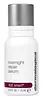
This anti-aging serum is formulated around Argania Spinosa Kernel Oil and Palmitoyl Tripeptide-38 to soften the look of wrinkles and strengthen the skin barrier.
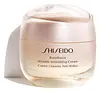
This anti-aging moisturizer is formulated around Niacinamide and Caffeine to soften the look of wrinkles and refine skin texture.


What's inside
What's inside
 Key Ingredients
Benefits
Concerns
Ingredients Side-by-side
Helianthus Annuus Seed Oil
Emollient



Argania Spinosa Kernel Oil
Emollient



Rosa Moschata Seed Oil
Emollient
Portulaca Pilosa Extract
Skin ConditioningSucrose Cocoate
Emulsifying


Palmitoyl Tripeptide-38
Skin Conditioning


Jasminum Officinale Oil
Masking



Alaria Esculenta Extract
Skin Protecting
Cananga Odorata Flower Oil
Masking
Aniba Rosodora Wood Oil
Astringent
Eugenia Caryophyllus Flower Oil
Masking
Pelargonium Graveolens Oil
Masking
Citrus Medica Peel Oil
Rose Flower Oil
Masking
Geranium Maculatum Oil
Masking
Citrus Aurantium Bergamia Leaf Oil
Astringent
Ocimum Basilicum Oil
Masking
Cymbopogon Schoenanthus Oil
Masking
Citrus Aurantium Dulcis Peel Oil
Masking
Daucus Carota Sativa Seed Oil
Emollient
Murraya Koenigii Leaf Oil
Preservative
Cinnamomum Zeylanicum Leaf Oil
Masking
Sesamum Indicum Seed Oil
Emollient
Rosmarinus Officinalis Leaf Extract
AntimicrobialCaprylic/Capric Triglyceride
Masking
Citronellol
Perfuming
Eugenol
Perfuming
Limonene
Perfuming
Geraniol
Perfuming
Linalool
Perfuming
Benzyl Benzoate
Antimicrobial
Benzyl Salicylate
Perfuming
Cetearyl Ethylhexanoate
Emollient
Sorbitan Isostearate
Emulsifying
Helianthus Annuus Seed Oil, Argania Spinosa Kernel Oil, Rosa Moschata Seed Oil, Portulaca Pilosa Extract, Sucrose Cocoate, Palmitoyl Tripeptide-38, Jasminum Officinale Oil, Alaria Esculenta Extract, Cananga Odorata Flower Oil, Aniba Rosodora Wood Oil, Eugenia Caryophyllus Flower Oil, Pelargonium Graveolens Oil, Citrus Medica Peel Oil, Rose Flower Oil, Geranium Maculatum Oil, Citrus Aurantium Bergamia Leaf Oil, Ocimum Basilicum Oil, Cymbopogon Schoenanthus Oil, Citrus Aurantium Dulcis Peel Oil, Daucus Carota Sativa Seed Oil, Murraya Koenigii Leaf Oil, Cinnamomum Zeylanicum Leaf Oil, Sesamum Indicum Seed Oil, Rosmarinus Officinalis Leaf Extract, Caprylic/Capric Triglyceride, Citronellol, Eugenol, Limonene, Geraniol, Linalool, Benzyl Benzoate, Benzyl Salicylate, Cetearyl Ethylhexanoate, Sorbitan Isostearate
Water
Skin ConditioningSd Alcohol 40-B
Astringent
Glycerin
Humectant
Dipropylene Glycol
HumectantNiacinamide
Smoothing




Cyclohexasiloxane
Emollient
Cetyl Ethylhexanoate
EmollientHydrogenated Polydecene
EmollientPhytosteryl/Octyldodecyl Lauroyl Glutamate
Skin ConditioningDimethicone
Emollient
PPG-3 Dipivalate
Skin ConditioningMyristyl Myristate
Emollient
Methyl Methacrylate Crosspolymer
Hydrogenated Palm Oil
Emollient
Ammonium Acryloyldimethyltaurate/Vp Copolymer
Behenyl Alcohol
Emollient
Polysorbate 60
Emulsifying
PEG-30 Phytosterol
EmulsifyingPhenoxyethanol
Preservative
Dimethicone/Vinyl Dimethicone Crosspolymer
Skin Conditioning
Batyl Alcohol
EmollientAlcohol
Antimicrobial
Tocopheryl Acetate
Antioxidant

Erythritol
Humectant
PEG/PPG-14/7 Dimethyl Ether
Skin ConditioningPEG/PPG-17/4 Dimethyl Ether
Skin ConditioningButylene Glycol
Humectant
Parfum
Masking
Carbomer
Emulsion StabilisingAcrylates/C10-30 Alkyl Acrylate Crosspolymer
Emulsion StabilisingPotassium Hydroxide
BufferingCaffeine
Skin Conditioning
Disodium EDTA
ChelatingSodium Metaphosphate
BufferingTocopherol
Antioxidant
Sapindus Mukorossi Peel Extract
Skin ConditioningCI 77492
Cosmetic ColorantLinalool
Perfuming
Sodium Metabisulfite
Antioxidant
Limonene
Perfuming
Citronellol
Perfuming
Angelica Keiskei Leaf/Stem Extract
Skin ConditioningGeraniol
Perfuming
Camellia Sinensis Leaf Extract
Antimicrobial
Citrus Junos Seed Extract
Antioxidant
Hdi/Trimethylol Hexyllactone Crosspolymer
Ziziphus Jujuba Fruit Extract
Skin ConditioningCI 77491
Cosmetic ColorantEucheuma Serra/Grateloupia Sparsa/Saccharina Angustata/Ulva Linza/Undaria Pinnatifida Extract
EmollientCurcuma Longa Rhizome Extract
Skin ConditioningSaccharina Angustata/Undaria Pinnatifida Extract
EmollientChlorella Vulgaris Extract
Skin ConditioningSilica
Abrasive
Water, Sd Alcohol 40-B, Glycerin, Dipropylene Glycol, Niacinamide, Cyclohexasiloxane, Cetyl Ethylhexanoate, Hydrogenated Polydecene, Phytosteryl/Octyldodecyl Lauroyl Glutamate, Dimethicone, PPG-3 Dipivalate, Myristyl Myristate, Methyl Methacrylate Crosspolymer, Hydrogenated Palm Oil, Ammonium Acryloyldimethyltaurate/Vp Copolymer, Behenyl Alcohol, Polysorbate 60, PEG-30 Phytosterol, Phenoxyethanol, Dimethicone/Vinyl Dimethicone Crosspolymer, Batyl Alcohol, Alcohol, Tocopheryl Acetate, Erythritol, PEG/PPG-14/7 Dimethyl Ether, PEG/PPG-17/4 Dimethyl Ether, Butylene Glycol, Parfum, Carbomer, Acrylates/C10-30 Alkyl Acrylate Crosspolymer, Potassium Hydroxide, Caffeine, Disodium EDTA, Sodium Metaphosphate, Tocopherol, Sapindus Mukorossi Peel Extract, CI 77492, Linalool, Sodium Metabisulfite, Limonene, Citronellol, Angelica Keiskei Leaf/Stem Extract, Geraniol, Camellia Sinensis Leaf Extract, Citrus Junos Seed Extract, Hdi/Trimethylol Hexyllactone Crosspolymer, Ziziphus Jujuba Fruit Extract, CI 77491, Eucheuma Serra/Grateloupia Sparsa/Saccharina Angustata/Ulva Linza/Undaria Pinnatifida Extract, Curcuma Longa Rhizome Extract, Saccharina Angustata/Undaria Pinnatifida Extract, Chlorella Vulgaris Extract, Silica
Reviews
Alternatives
Ingredients Explained
These ingredients are found in both products.
Ingredients higher up in an ingredient list are typically present in a larger amount.
Citronellol is used to add fragrance/parfum to a product. It is often derived from plants such as roses. In fact, it can be found in many essential oils including geranium, lavender, neroli, and more. The scent of Citronellol is often described as "fresh, grassy, and citrus-like".
Since the Citronellol molecule is already unstable, Citronellol becomes irritating on the skin when exposed to air.
Citronellol is a modified terpene. Terpenes are unsaturated hydrocarbons found in plants. They make up the primary part of essential oils.
Citronellol is not able to be absorbed into deeper layers of the skin. It has low permeability,
Citronellol is also a natural insect repellent.
Learn more about CitronellolGeraniol is used to add fragrance/parfum to a product. It is the main component of citronellol. It is a monoterpenoid and an alcohol.
Monoterpenes are naturally found in many parts of different plants.
Geraniol can be found in many essential oils including Rose Oil and Citronella Oil. The scent of Geraniol is often described as "rose-like". Many foods also contain Geraniol for fruit flavoring.
Geraniol can irritate the skin when exposed to air. However, irritation depends on the ability of geraniol to penetrate into the skin. In general, geraniol is not able to penetrate skin easily.
Geraniol is colorless and has low water-solubility. However, it is soluble in common organic solvents.
Like citronellol, it is a natural insect repellent.
2,6-Octadien-1-ol, 3,7-dimethyl-, (2E)-
Learn more about GeraniolLimonene is the compound that gives citrus peel its smell.
In skincare, it shows up as a standalone fragrance ingredient or as a natural compound of citrus and other essential oils.
You'll typically see this ingredient used in very small amounts; anything above 0.001% in a leave-on product or 0.01% in a rinse-off has to be named on the label in the EU. The citrus oils that carry it sit around 0.5-1% in a finished formula.
Fresh limonene is a weak allergen; the real issue is that it slowly reacts with air and then breaks down from oxidation to create hydroperoxides (which are strong sensitizers). This is why suppliers are required to keep the peroxide value below 20 mmol.
Positive reactions in people being investigated for eczema vary:
It's worth skipping if you have a known fragrance allergy or a compromised barrier, but the risk is low for most people.
Older or long-opened products are also more likely to bother you than fresh ones due to oxidation.
Learn more about LimoneneLinalool is a small, naturally occurring scent molecule found in plants like lavender, coriander, bergamot, and more.
It is one of the two most-used fragrance ingredients in cosmetics and added purely for smell. Since it's not used for a skin benefit, there's no "effective dose". Concentration depends on the fragrance load of the product.
The EU requires it to be named on the label above 0.001% in leave-on and 0.01% in rinse-off products.
Fresh linalool is a weak sensitizer but air exposure turns some of it into hydroperoxides, which are strong sensitizers. Those oxidation products are the actual allergy concern.
Patch-test clinics see positive reactions to linalool hydroperoxides in about 4% to 12% of dermatitis patients depending on country and test concentration.
Resassuringly, one analytical study found hydroperoxide levels in real fragranced products to be orders of magnitude below what induced sensitization in animal studies with no evidence of oxidation building up during normal storage.
The practical takeaway is that linalool is fine for most people but worth avoiding if you have a confirmed fragrance contact allergy or a badly compromised barrier.
Products stored a long time after opening are also the high-risk scenario since that is when oxidation happens.
The scent of linalool is described as floral, spicy tropical, and citrus-like.
Learn more about Linalool

