This calming moisturizer is formulated around Panthenol and Allantoin to calm redness and hydrate skin.
This brightening night moisturizer is formulated around Snail Secretion Filtrate and Niacinamide to fade the look of dark spots and strengthen the skin barrier.


What's inside
What's inside
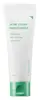 Key Ingredients
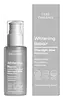
No key ingredients
Benefits
Concerns
Ingredients Side-by-side
Water
Skin ConditioningButylene Glycol
Humectant

Caprylic/Capric Triglyceride
Masking
Glycerin
Humectant
1,2-Hexanediol
Skin Conditioning
Vinyldimethicone

Ammonium Acryloyldimethyltaurate/Vp Copolymer
Panthenol
Skin Conditioning

Acrylates/C10-30 Alkyl Acrylate Crosspolymer
Emulsion StabilisingXanthan Gum
EmulsifyingDisodium EDTA
ChelatingParfum
Masking




Allantoin
Skin Conditioning
Oenothera Biennis Flower Extract
AstringentPinus Palustris Leaf Extract
TonicPueraria Lobata Root Extract
HumectantUlmus Davidiana Root Extract
Skin Conditioning
Arctium Lappa Root Extract
Skin Conditioning
Cnidium Officinale Root Extract
Skin ConditioningDioscorea Japonica Root Extract
Skin Conditioning
Paeonia Suffruticosa Root Extract
Skin ProtectingRehmannia Chinensis Root Extract
Skin ConditioningBambusa Vulgaris Extract
Skin Conditioning
Coix Lacryma-Jobi Ma-Yuen Seed Extract
Skin ConditioningGlycine Soja Seed Extract
Skin Conditioning
Hordeum Distichon Extract
Skin ProtectingOryza Sativa Extract
Absorbent
Sesamum Indicum Seed Extract
Skin Conditioning
Triticum Vulgare Seed Extract
BufferingVigna Radiata Seed Extract
Skin ConditioningZea Mays Kernel Extract
Water, Butylene Glycol, Caprylic/Capric Triglyceride, Glycerin, 1,2-Hexanediol, Vinyldimethicone, Ammonium Acryloyldimethyltaurate/Vp Copolymer, Panthenol, Acrylates/C10-30 Alkyl Acrylate Crosspolymer, Xanthan Gum, Disodium EDTA, Parfum, Allantoin, Oenothera Biennis Flower Extract, Pinus Palustris Leaf Extract, Pueraria Lobata Root Extract, Ulmus Davidiana Root Extract, Arctium Lappa Root Extract, Cnidium Officinale Root Extract, Dioscorea Japonica Root Extract, Paeonia Suffruticosa Root Extract, Rehmannia Chinensis Root Extract, Bambusa Vulgaris Extract, Coix Lacryma-Jobi Ma-Yuen Seed Extract, Glycine Soja Seed Extract, Hordeum Distichon Extract, Oryza Sativa Extract, Sesamum Indicum Seed Extract, Triticum Vulgare Seed Extract, Vigna Radiata Seed Extract, Zea Mays Kernel Extract
Water
Skin ConditioningSnail Secretion Filtrate
Skin Conditioning
Niacinamide
Smoothing




Butylene Glycol
Humectant
Caprylic/Capric Triglyceride
Masking
Cetearyl Olivate

Glycerin
Humectant
Sorbitan Olivate
Emulsifying
Microcrystalline Wax
Emulsion StabilisingSodium Polyacrylate
Absorbent
Carbomer
Emulsion StabilisingHydroxyacetophenone
Antioxidant
Benzyl Glycol
SolventArginine
Masking
Caprylyl Glycol
Emollient
Pentylene Glycol
Skin Conditioning
Glyceryl Starch
AbsorbentPolyacrylate-2
Sodium Acrylate/Sodium Acryloyldimethyl Taurate Copolymer
Emulsion StabilisingRaspberry Ketone
Masking
Isohexadecane
EmollientDisodium EDTA
ChelatingButoxydiglycol
MaskingPolysorbate 80
Emulsifying
Sorbitan Oleate
Emulsifying
Adenosine
Skin Conditioning
BHT
Antioxidant
Parfum
Masking
Water, Snail Secretion Filtrate, Niacinamide, Butylene Glycol, Caprylic/Capric Triglyceride, Cetearyl Olivate, Glycerin, Sorbitan Olivate, Microcrystalline Wax, Sodium Polyacrylate, Carbomer, Hydroxyacetophenone, Benzyl Glycol, Arginine, Caprylyl Glycol, Pentylene Glycol, Glyceryl Starch, Polyacrylate-2, Sodium Acrylate/Sodium Acryloyldimethyl Taurate Copolymer, Raspberry Ketone, Isohexadecane, Disodium EDTA, Butoxydiglycol, Polysorbate 80, Sorbitan Oleate, Adenosine, BHT, Parfum
Reviews
Ingredients Explained
These ingredients are found in both products.
Ingredients higher up in an ingredient list are typically present in a larger amount.
Butylene Glycol (or BG) is used within cosmetic products for a few different reasons:
Overall, Butylene Glycol is a safe and well-rounded ingredient that works well with other ingredients.
Though this ingredient works well with most skin types, some people with sensitive skin may experience a reaction such as allergic rashes, closed comedones, or itchiness.
Learn more about Butylene GlycolCaprylic/Capric Triglyceride (aka MCT Oil) is a lightweight emollient, solvent, and texture enhancer. It is considered a skin-softener by helping to prevent moisture loss.
Though it behaves like an oil, it is not technically one due to its chemical composition. One perk of this ingredient is that it is very stable, resistant to oxidation, and unlikely to go rancid.
In practice, that translates to a long shelf life and a consistently elegant skin feel.
While there is an assumption Caprylic Triglyceride can clog pores due to it being derived from coconut oil, there is no research supporting this. Just patch test if you have concerns.
Fractionated coconut oil and MCT Oil are both listed as Caprylic/Capric Triglyceride according to INCI. This is because INCI names are based on the ingredient’s final chemical composition and not its marketing name or source.
This ingredient is treated as the gold standard fungal acne safe oil. Even though it is coconut derived, the problematic lauric acid is stripped out.
This leaves just caprylic (C8) and capric (C10) acid. These chain lengths actually trend antifungal; a 2020 study found caprylic acid was enough to disrupt Malassezia furfur cell membrane, with a caprylic acid derivative damaging membrane structures at concentrations as low as 0.2%.
Learn more about Caprylic/Capric TriglycerideDisodium EDTA is a chelating agent. It grabs onto and deactivates metal ions that sneak into your products from water, packaging, or air.
This ingredient mainly works behind the scenes and helps with:
On top of that, this ingredient can counteract the effects of hard water by binding to the minerals in it.
One thing worth knowing is that Disodium EDTA has been shown to be a mild penetration enhancer. It can help other ingredients absorb into skin more effectively which can be a double-edged sword (great for actives, but can also make the active too strong if you have sensitive skin).
Clinical patch testing showed no significant skin irritation at typical use concentrations and minimal dermal absorption.
You'll most likely see this ingredient near the end of an ingredient list. It's typically found in concentrations less than 1%.
Learn more about Disodium EDTAGlycerin (or glycerol) is a compound naturally found in your skin. It's a powerhouse humectant that pulls water into the stratum corneum.
Topically, glycerin does several things at once:
Your skin makes glycerin on its own (mostly from sebaceous oil breakdown) and shuttles it to your outermost layer of skin, or your epidermis, via aquaporin-3.
Aquaporin-3 is a transporter that is essential for normal skin hydration, elasticity, and repair. Interestingly, mice lacking in AQP3 have dry and less elastic skin that can be fully corrected with glycerin.
This ingredient is non-irritating, plays well with almost every ingredient, and works across all skin types. Typical use is anywhere between 3-10% but can go up to 79% in some leave-on products.
Just know very high concentrations (>40%) can feel tacky in low humidity.
Glycerin is the name for this ingredient in American English. British English uses Glycerol/Glycerine.
Learn more about GlycerinParfum is a catch-all term for an ingredient or more that is used to give a scent to products.
Also called "fragrance", this ingredient can be a blend of hundreds of chemicals or plant oils. This means every product with "fragrance" or "parfum" in the ingredients list is a different mixture.
For instance, Habanolide is a proprietary trade name for a specific aroma chemical. When used as a fragrance ingredient in cosmetics, most aroma chemicals fall under the broad labeling category of “FRAGRANCE” or “PARFUM” according to EU and US regulations.
The term 'parfum' or 'fragrance' is not regulated in many countries. In many cases, it is up to the brand to define this term.
For instance, many brands choose to label themselves as "fragrance-free" because they are not using synthetic fragrances. However, their products may still contain ingredients such as essential oils that are considered a fragrance by INCI standards.
One example is Calendula flower extract. Calendula is an essential oil that still imparts a scent or 'fragrance'.
Depending on the blend, the ingredients in the mixture can cause allergies and sensitivities on the skin. Some ingredients that are known EU allergens include linalool and citronellol.
Parfum can also be used to mask or cover an unpleasant scent.
The bottom line is: not all fragrances/parfum/ingredients are created equally. If you are worried about fragrances, we recommend taking a closer look at an ingredient. And of course, we always recommend speaking with a professional.
Learn more about ParfumWater. It's the most common cosmetic ingredient of all. You'll usually see it at the top of ingredient lists, meaning that it makes up the largest part of the product.
So why is it so popular? Water most often acts as a solvent - this means that it helps dissolve other ingredients into the formulation.
You'll also recognize water as that liquid we all need to stay alive. If you see this, drink a glass of water. Remember to stay hydrated!
Learn more about Water

