Danessa Myricks Beauty 10/10 Barrier Boost HA + Ectoin Plumping Serum Versus Haruharu Wonder Black Rice Hyaluronic Toner For Sensitive Skin
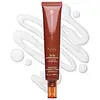
This barrier-repair serum is formulated around Sodium Hyaluronate and Ectoin to strengthen the skin barrier and hydrate skin.
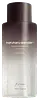
This hydrating toner is formulated around Oryza Sativa Extract and Hyaluronic Acid to hydrate skin and calm redness.


What's inside
What's inside
 Key Ingredients
Benefits
Concerns
No concerns
Ingredients Side-by-side
Water
Skin ConditioningIsopentyldiol
Humectant
C9-12 Alkane
SolventDiglycerin
Humectant
Butylene Glycol
Humectant
Octyldodecyl Myristate
EmollientJojoba Esters
Emollient

Isostearyl Alcohol
Emollient
Hydroxyethyl Acrylate/Sodium Acryloyldimethyl Taurate Copolymer
Emulsion StabilisingCetearyl Alcohol
Emollient



Sodium Hyaluronate
Humectant


Sodium Hyaluronate Crosspolymer
Humectant
Hydrolyzed Hyaluronic Acid
Humectant
Hyaluronic Acid
Humectant
Sodium Acetylated Hyaluronate
Humectant
Hydrolyzed Sodium Hyaluronate
Skin Conditioning
Ectoin
Skin Conditioning
Lactic Acid
Buffering






Helianthus Annuus Seed Wax
Skin Conditioning
Coco-Caprylate/Caprate
Emollient
Sodium Gluconate
ChelatingButylene Glycol Cocoate
Emulsifying
Ethylhexyl Stearate
Emollient
Acacia Decurrens Flower Wax
Emollient
Polyglycerin-3
Humectant
Glyceryl Stearate
Emollient
Sodium Stearoyl Glutamate
CleansingXanthan Gum
EmulsifyingHydroxyacetophenone
Antioxidant
Caprylyl Glycol
Emollient
Polyglyceryl-4 Diisostearate/Polyhydroxystearate/Sebacate
Emulsifying
Sodium Isostearate
CleansingPolysorbate 60
Emulsifying
Sorbitan Isostearate
Emulsifying
Pentylene Glycol
Skin Conditioning
Ethylcellulose
Ethylhexylglycerin
Skin ConditioningTocopherol
Antioxidant
Water, Isopentyldiol, C9-12 Alkane, Diglycerin, Butylene Glycol, Octyldodecyl Myristate, Jojoba Esters, Isostearyl Alcohol, Hydroxyethyl Acrylate/Sodium Acryloyldimethyl Taurate Copolymer, Cetearyl Alcohol, Sodium Hyaluronate, Sodium Hyaluronate Crosspolymer, Hydrolyzed Hyaluronic Acid, Hyaluronic Acid, Sodium Acetylated Hyaluronate, Hydrolyzed Sodium Hyaluronate, Ectoin, Lactic Acid, Helianthus Annuus Seed Wax, Coco-Caprylate/Caprate, Sodium Gluconate, Butylene Glycol Cocoate, Ethylhexyl Stearate, Acacia Decurrens Flower Wax, Polyglycerin-3, Glyceryl Stearate, Sodium Stearoyl Glutamate, Xanthan Gum, Hydroxyacetophenone, Caprylyl Glycol, Polyglyceryl-4 Diisostearate/Polyhydroxystearate/Sebacate, Sodium Isostearate, Polysorbate 60, Sorbitan Isostearate, Pentylene Glycol, Ethylcellulose, Ethylhexylglycerin, Tocopherol
Water
Skin ConditioningBetaine
Humectant
Glycerin
Humectant
Propanediol
Solvent
Scutellaria Baicalensis Root Extract
Astringent
Oryza Sativa Extract
Absorbent
Phyllostachys Pubescens Shoot Bark Extract
Skin ConditioningXanthan Gum
EmulsifyingCellulose Gum
Emulsion Stabilising1,2-Hexanediol
Skin Conditioning
Butylene Glycol
Humectant
Pulsatilla Koreana Extract
Skin ConditioningZanthoxylum Piperitum Fruit Extract
Skin ConditioningUsnea Barbata Extract
Aspergillus Ferment
Skin ConditioningSodium Gluconate
ChelatingHyaluronic Acid
Humectant
Beta-Glucan
Skin Conditioning
Tamarindus Indica Seed Gum
Emulsion Stabilising
Panax Ginseng Root Extract
Emollient
Glucose
Humectant
Cyclodextrin
AbsorbentWater, Betaine, Glycerin, Propanediol, Scutellaria Baicalensis Root Extract, Oryza Sativa Extract, Phyllostachys Pubescens Shoot Bark Extract, Xanthan Gum, Cellulose Gum, 1,2-Hexanediol, Butylene Glycol, Pulsatilla Koreana Extract, Zanthoxylum Piperitum Fruit Extract, Usnea Barbata Extract, Aspergillus Ferment, Sodium Gluconate, Hyaluronic Acid, Beta-Glucan, Tamarindus Indica Seed Gum, Panax Ginseng Root Extract, Glucose, Cyclodextrin
Reviews
Ingredients Explained
These ingredients are found in both products.
Ingredients higher up in an ingredient list are typically present in a larger amount.
Butylene Glycol (or BG) is used within cosmetic products for a few different reasons:
Overall, Butylene Glycol is a safe and well-rounded ingredient that works well with other ingredients.
Though this ingredient works well with most skin types, some people with sensitive skin may experience a reaction such as allergic rashes, closed comedones, or itchiness.
Learn more about Butylene GlycolHyaluronic acid (HA) is a glycosaminoglycan (basically a long sugar chain) that your skin already makes on its own. In your skin, HA lives in the extracellular matrix and acts as the body's moisture reservoir.
Topically, HA is a humectant that binds water and helps skin look more plump, smooth, and hydrated.
The only catch is that HA isn't a single thing; it actually comes in a wide range of molecular weights (~50 - 2,000+ kDA) and size matters.
Some clinical evidence links low molecular weight versions to improved wrinkle depth, elasticity, anti-inflammatory effects, and barrier repair.
This is why the best HA serums blend the two sizes together so you get the best of both worlds.
The majority of cosmetic HA is produced by bacterial fermentation, typically using Streptococcus or Bacillus strains. Typical use levels in skincare sit around 0.1-2%.
A clinical study using a 0.2% low-molecular weight HA gel showed improvement in facial seborrheic dermatitis with excellent tolerance.
These are some other common types of Hyaluronic Acid:
Learn more about Hyaluronic AcidSodium Gluconate is the sodium salt of gluconic acid. In skincare, its main job is as a chelator.
Chelators grab onto stray metal ions like iron and copper that sneak in through water, raw materials, or manufacturing equipment. This stops them from triggering reactions that cause oils to go rancid, formulas to change color, and actives like vitamin C to fall apart.
This ingredient is often chosen as a biodegradable, gentler-sounding alternative to EDTA. It also pulls double duty as a mild humectant and pH buffer.
Typical use levels sit around 0.1-1% and supplier documents list up to 10% as an acceptable ceiling. Industry data found this ingredient family is mostly used well below 1% in leave on products.
Allergy risk is very low; animal testing has found it to be non-irritating to skin and eyes, mutagenicity assays came back negative, and there are no published reports of allergic contact dermatitis to it.
Learn more about Sodium GluconateWater. It's the most common cosmetic ingredient of all. You'll usually see it at the top of ingredient lists, meaning that it makes up the largest part of the product.
So why is it so popular? Water most often acts as a solvent - this means that it helps dissolve other ingredients into the formulation.
You'll also recognize water as that liquid we all need to stay alive. If you see this, drink a glass of water. Remember to stay hydrated!
Learn more about WaterXanthan gum is used as a stabilizer and thickener within cosmetic products. It helps give products a sticky, thick feeling - preventing them from being too runny.
On the technical side of things, xanthan gum is a polysaccharide - a combination consisting of multiple sugar molecules bonded together.
Xanthan gum is a pretty common and great ingredient. It is a natural, non-toxic, non-irritating ingredient that is also commonly used in food products.
Learn more about Xanthan Gum

