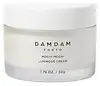
This barrier-repair moisturizer is formulated around Helianthus Annuus Seed Oil and Butyrospermum Parkii Butter to strengthen the skin barrier and hydrate skin.
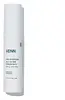
This anti-aging moisturizer is formulated around Palmitoyl Tripeptide-1 and Copper Tripeptide-1 to soften the look of wrinkles.


What's inside
What's inside
 Key Ingredients
Benefits
Concerns
Ingredients Side-by-side
Water
Skin ConditioningGlycerin
Humectant


Helianthus Annuus Seed Oil
Emollient


Butyrospermum Parkii Butter
Skin Conditioning


Butylene Glycol
Humectant
Propanediol Dicaprylate/Caprate
EmollientPentylene Glycol
Skin Conditioning
Behenyl Alcohol
Emollient
Coco-Caprylate/Caprate
Emollient
Glyceryl Stearate
Emollient
Polyglyceryl-2 Stearate
Emulsifying
Cetearyl Glucoside
Emulsifying
Cetearyl Alcohol
Emollient
Diglycerin
Humectant
Stearyl Alcohol
Emollient
Sodium Stearoyl Lactylate
EmulsifyingSodium Citrate
BufferingSalix Alba Bark Extract
Astringent


Perilla Ocymoides Leaf/Stem Oil
Masking
Phytic Acid
Chelating


Tocopherol
Antioxidant


Water, Glycerin, Helianthus Annuus Seed Oil, Butyrospermum Parkii Butter, Butylene Glycol, Propanediol Dicaprylate/Caprate, Pentylene Glycol, Behenyl Alcohol, Coco-Caprylate/Caprate, Glyceryl Stearate, Polyglyceryl-2 Stearate, Cetearyl Glucoside, Cetearyl Alcohol, Diglycerin, Stearyl Alcohol, Sodium Stearoyl Lactylate, Sodium Citrate, Salix Alba Bark Extract, Perilla Ocymoides Leaf/Stem Oil, Phytic Acid, Tocopherol
Camellia Sinensis Leaf Water
Masking
Glycerin
Humectant
Helianthus Annuus Seed Oil
Emollient
Corylus Avellana Seed Oil
Emollient
Grifola Frondosa Extract
Skin ConditioningCocoglycerides
Emollient
Hydrogenated Lecithin
Emulsifying
Cetearyl Alcohol
Emollient
Houttuynia Cordata Extract
Skin Conditioning
Shea Butter Glycerides
Emulsifying
Panthenol
Skin Conditioning
Glyceryl Stearate
Emollient
Nylon-12

Cetearyl Glucoside
Emulsifying
Scutellaria Baicalensis Root Extract
Astringent
Paeonia Suffruticosa Root Extract
Skin ProtectingC14-28 Alkyl Acid
Sodium Olivoyl Glutamate
CleansingStearyl Alcohol
Emollient
Stearic Acid
Cleansing
Beeswax
Emulsion Stabilising
Butyrospermum Parkii Butter
Skin Conditioning
Pinus Pinaster Bark Extract
Antioxidant
Glycosaminoglycans
EmollientLupinus Albus Seed Extract
Skin ConditioningGlutathione
Carnosine
Skin Conditioning
Behenyl Alcohol
Emollient
Palmitoyl Tripeptide-1
Skin Conditioning

Palmitoyl Tetrapeptide-7
Skin Conditioning
Sh-Polypeptide-64
Antioxidant
Quercetin
Antioxidant
Camellia Sinensis Catechins
Antioxidant
Tetradecyl Aminobutyroylvalylaminobutyric Urea Trifluoroacetate
Skin ConditioningAcetyl Hexapeptide-8
Humectant
Copper Tripeptide-1
Skin Conditioning
Nicotinoyl Dipeptide-22
Skin Conditioning
Dipotassium Glycyrrhizate
Humectant
Ginsenosides
Skin ConditioningMagnesium Chloride
Arginine
Masking
Carbomer
Emulsion StabilisingXanthan Gum
EmulsifyingAdenosine
Skin Conditioning
Butylene Glycol
Humectant
1,2-Hexanediol
Skin Conditioning
Cyclodextrin
AbsorbentCamellia Sinensis Leaf Water, Glycerin, Helianthus Annuus Seed Oil, Corylus Avellana Seed Oil, Grifola Frondosa Extract, Cocoglycerides, Hydrogenated Lecithin, Cetearyl Alcohol, Houttuynia Cordata Extract, Shea Butter Glycerides, Panthenol, Glyceryl Stearate, Nylon-12, Cetearyl Glucoside, Scutellaria Baicalensis Root Extract, Paeonia Suffruticosa Root Extract, C14-28 Alkyl Acid, Sodium Olivoyl Glutamate, Stearyl Alcohol, Stearic Acid, Beeswax, Butyrospermum Parkii Butter, Pinus Pinaster Bark Extract, Glycosaminoglycans, Lupinus Albus Seed Extract, Glutathione, Carnosine, Behenyl Alcohol, Palmitoyl Tripeptide-1, Palmitoyl Tetrapeptide-7, Sh-Polypeptide-64, Quercetin, Camellia Sinensis Catechins, Tetradecyl Aminobutyroylvalylaminobutyric Urea Trifluoroacetate, Acetyl Hexapeptide-8, Copper Tripeptide-1, Nicotinoyl Dipeptide-22, Dipotassium Glycyrrhizate, Ginsenosides, Magnesium Chloride, Arginine, Carbomer, Xanthan Gum, Adenosine, Butylene Glycol, 1,2-Hexanediol, Cyclodextrin
Reviews
Ingredients Explained
These ingredients are found in both products.
Ingredients higher up in an ingredient list are typically present in a larger amount.
Behenyl Alcohol is a type of fatty alcohol (these are different from the drying, solvent alcohols).
Fatty Alcohols have hydrating properties and are most often used as an emollient or to thicken a product. They are usually derived from natural fats and oils; behenyl alcohol is derived from the fats of vegetable oils.
Emollients help keep your skin soft and hydrated by creating a film that traps moisture in.
In 2000, Behenyl Alcohol was approved by the US as medicine to reduce the duration of cold sores.
Learn more about Behenyl AlcoholButylene Glycol (or BG) is used within cosmetic products for a few different reasons:
Overall, Butylene Glycol is a safe and well-rounded ingredient that works well with other ingredients.
Though this ingredient works well with most skin types, some people with sensitive skin may experience a reaction such as allergic rashes, closed comedones, or itchiness.
Learn more about Butylene GlycolThis ingredient is also known as shea butter. It is a plant-derived extract from the nuts of the Africa shea tree and one of the most well-studied emollients.
Because it has a high concentration of fatty acids (primarily oleic, stearic, and linoleic) it is able to form a protective barrier on the skin's surface. This helps seal in moisture and prevents transepidermal water loss (TEWL).
In vitro research found an increase in skin hydration by 58% and a decrease in TEWL by 37.8% after 24 hours of applying this ingredient (pretty impressive for a single ingredient!).
Besides hydration, shea butter also contains triterpenes that have anti-inflammatory potential. In particule, lupeol cinnamate has shown the highest anti-inflammatory activity in vivo.
Shea butter also contains vitamins A and E which may contribute to antioxidant activity.
While Shea Butter has an SPF rating of about 3-4, it is not a sunscreen replacement.
This ingredient may not be fungal acne safe because its fatty acids fall within the C11-C24 range that the Malassezia yeast can metabolize.
This ingredient shows up on a lot of "pore-clogging" lists but there's no real evidence behind that. It doesn't even have a comedogenic rating from an actual study; the numbers you'll find online come from blogs citing other blogs.
Ratings for other ingredients mostly come from a 1980s rabbit ear test. This test doesn't translate well to human skin or to real products because the ingredient sits at a much lower percentage.
Some people still find it breaks them out. So if that's you, definitely trust your skin. Just know this one's based on experience and not evidence.
Learn more about Butyrospermum Parkii ButterCetearyl alcohol is a waxy mixture of two fatty alcohols: cetyl alcohol and stearyl alcohol. It is an emollient and emulsifier.
Despite having "alcohol" in its name, it has nothing to do with drying solvent alcohols; the FDA also allows "alcohol-free" products to contain fatty alcohols like this ingredient.
It plays several roles in a formula:
Typical use levels for this ingredient sit around 1-10% and the Cosmetic Ingredient Review Expert Panel has affirmed safety at concentrations up to 25% in leave-on products.
Multiple assessments have found it to be non-irritating and non-sensitizing to most people.
However, there have been some cases of allergic contact dermatitis in patients with chronically compromised skin barriers.
Cetearyl alcohol has a comedogenic rating of 2 and irritancy rating of 1. Both of these numbers come from the 1989 study that used rabbit ears; a "2" means mildly comedogenic and a "1" means low irritancy.
Here's the catch: rabbit skin is more sensitive than human skin and throws a lot of false positives. A 1996 reappraisal found that ingredients rated 1-2 in the rabbit ear tests are generally safe for humans.
Remember comedogenic ratings are unable to assess the entire formula of a product or how it will react on your skin. Just be sure to patch test if you are unsure about certain ingredients.
This ingredient is not fungal acne safe. Cetearyl alcohol is a fatty alcohol with chain lengths that fall within the range that Malassezia can metabolize.
A 2019 study has also observed Malassezia growth in the presence of this ingredient, confirming it to be not-fungal acne safe.
Learn more about Cetearyl AlcoholCetearyl Glucoside is a sugar-based emulsifier. It is usually made by combining cetearyl alcohol and glucose.
Belonging to the aklyl polyglucoside (APG) family, Cetearyl Glucoside has a sugar "head" that loves water and a fatty "tail" that loves oil. This means it can shuffle oil and water into a stable and smooth emulsion.
Typical use levels are between 1-5% and this ingredient is considered to be non-irritating by the CIR Expert Panel Review.
Once applied, your skin's glucoside hydrolases breaks it down to the parent fatty alcohol and glucose. This is why this ingredient may not be fungal acne safe.
Learn more about Cetearyl GlucosideGlycerin (or glycerol) is a compound naturally found in your skin. It's a powerhouse humectant that pulls water into the stratum corneum.
Topically, glycerin does several things at once:
Your skin makes glycerin on its own (mostly from sebaceous oil breakdown) and shuttles it to your outermost layer of skin, or your epidermis, via aquaporin-3.
Aquaporin-3 is a transporter that is essential for normal skin hydration, elasticity, and repair. Interestingly, mice lacking in AQP3 have dry and less elastic skin that can be fully corrected with glycerin.
This ingredient is non-irritating, plays well with almost every ingredient, and works across all skin types. Typical use is anywhere between 3-10% but can go up to 79% in some leave-on products.
Just know very high concentrations (>40%) can feel tacky in low humidity.
Glycerin is the name for this ingredient in American English. British English uses Glycerol/Glycerine.
Learn more about GlycerinGlyceryl Stearate is made by reacting glycerin with stearic acid (typically sourced from plant oils like palm or coconut). It's an emulsifier, emollient, and mild occlusive.
Emulsifiers help ingredients like oil and water stay mixed so your formula stays nicely blended and uniform in texture.
This ingredient is typically used in concentrations between 1-10%. Studies have found it to be non-sensitizing, non-phototoxic, and non-photoallergenic.
A close cousin of this ingredient is Glyceryl Stearate SE ("self-emulsifying"). This just has a small amount of sodium or potassium stearate added so it can emulsify without a co-emulsifier.
Since this ingredient is an ester of a C18 fatty acid, it may not be fungal acne safe. The Malassezia yeast can potentially metabolize within the C11-C24 range.
Fun fact: The human body also creates Glyceryl Stearate naturally.
Learn more about Glyceryl StearateHelianthus Annuus Seed Oil is a plant oil derived from the seeds of a sunflower.
It is rich in fatty acids, primarily linoleic acid and oleic acid. This gives it emollient and skin conditioning properties.
The reason this ingredient is so effective is because it forms a thin film on the skin that reduces transepidermal water loss (TEWL) while supplying linoleic acid to the stratum corneum to improve barrier strength.
The high linoleic acid content is particularly noteworthy for acne-prone skin.
Research suggests that acne-prone skin tends to be deficient in linoleic acid in sebum. Topical application may help replenish this to support a healthier follicular environment and less comedone-promoting sebum.
One randomized study found sunflower seed oil preserved skin barrier integrity in adult volunteers with and without atopic dermatitis (outperforming olive oil).
This ingredient is well-studied, gentle, and an effective emollient suitable for most skin types.
On fungal acne: This ingredient may not be Fungal acne (Malassezia folliculitis) safe. This is because it contains fatty acids with carbon chain lengths in the C11-C24 range.
Learn more about Helianthus Annuus Seed OilStearyl Alcohol is a type of fatty alcohol from stearic acid. It is a white, waxy compound used to emulsify ingredients used as an emollient or to thicken a product.
Emollients help soothe and hydrate the skin by trapping moisture.
Fatty alcohols are usually derived from natural fats and oils and therefore do not have the same drying or irritating effect as solvent (ethanol) alcohols.
The FDA allows products labeled "alcohol-free" to have fatty alcohols.
This ingredient may not be fungal acne safe. It is a primary fatty alcohol with a chain length above 12 carbons. A study from 2019 show Malassezia can feed on fatty alcohols in this range, so it may trigger fungal acne in those prone to it.
Learn more about Stearyl Alcohol

