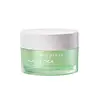
This calming overnight mask is formulated around Centella Asiatica Extract and Panthenol to calm redness and strengthen the skin barrier.
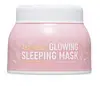
This hydrating overnight mask is formulated around Sodium Hyaluronate and Rosa Damascena Flower Water to hydrate skin and brighten dull-looking skin.


What's inside
What's inside
 Key Ingredients
Benefits
Concerns
Ingredients Side-by-side
Water
Skin ConditioningGlycereth-26
Humectant
Glycerin
Humectant

Dipropylene Glycol
HumectantDipentaerythrityl Pentaisononanoate
EmollientCentella Asiatica Extract
Cleansing



Carbomer
Emulsion StabilisingTrehalose
Humectant
Tromethamine
BufferingButylene Glycol
Humectant
Caprylyl Glycol
Emollient
Ammonium Acryloyldimethyltaurate/Vp Copolymer
Sodium Polyacryloyldimethyl Taurate
Emulsion StabilisingHydroxyacetophenone
Antioxidant
Pentylene Glycol
Skin Conditioning
Hydrogenated Polydecene
Emollient1,2-Hexanediol
Skin Conditioning
Disodium EDTA
ChelatingMelaleuca Alternifolia Leaf Oil
Antioxidant






Sodium Hyaluronate
Humectant
Trideceth-10
CleansingMelia Azadirachta Extract
Skin ConditioningEthylhexylglycerin
Skin ConditioningPanthenol
Skin Conditioning
Melia Azadirachta Flower Extract
Skin ConditioningMadecassoside
Antioxidant
Madecassic Acid
Skin Conditioning
Asiaticoside
Antioxidant
Asiatic Acid
Skin Conditioning
Water, Glycereth-26, Glycerin, Dipropylene Glycol, Dipentaerythrityl Pentaisononanoate, Centella Asiatica Extract, Carbomer, Trehalose, Tromethamine, Butylene Glycol, Caprylyl Glycol, Ammonium Acryloyldimethyltaurate/Vp Copolymer, Sodium Polyacryloyldimethyl Taurate, Hydroxyacetophenone, Pentylene Glycol, Hydrogenated Polydecene, 1,2-Hexanediol, Disodium EDTA, Melaleuca Alternifolia Leaf Oil, Sodium Hyaluronate, Trideceth-10, Melia Azadirachta Extract, Ethylhexylglycerin, Panthenol, Melia Azadirachta Flower Extract, Madecassoside, Madecassic Acid, Asiaticoside, Asiatic Acid
Water
Skin ConditioningGlycerin
Humectant
Butylene Glycol
Humectant
Propanediol
Solvent
1,2-Hexanediol
Skin Conditioning
Glycereth-26
Humectant
Diethoxyethyl Succinate
SolventMelia Azadirachta Flower Extract
Skin ConditioningMelia Azadirachta Leaf Extract
Skin ConditioningSodium Hyaluronate
Humectant
Rosa Damascena Flower Water
Masking
Pyrus Communis Fruit Extract
Skin ConditioningPrunus Persica Fruit Extract
Abrasive
Jasminum Officinale Flower Water
MaskingCoccinia Indica Fruit Extract
Skin Conditioning
Cucumis Melo Fruit Extract
Skin ConditioningHedera Helix Leaf/Stem Extract
AntimicrobialCorallina Officinalis Extract
Skin Conditioning
Salicylic Acid
Masking





Triticum Vulgare Sprout Extract
Skin ConditioningBrassica Oleracea Italica Extract
AstringentBrassica Oleracea Capitata Leaf Extract
Skin ConditioningMedicago Sativa Extract
TonicRaphanus Sativus Seed Extract
Skin ConditioningBrassica Campestris Extract
Skin ConditioningGluconolactone
Chelating
Citric Acid
Buffering
Potassium Hyaluronate
Skin ConditioningHydroxypropyltrimonium Hyaluronate
Hydrolyzed Sodium Hyaluronate
Skin Conditioning
Hydrolyzed Hyaluronic Acid
Humectant
Hyaluronic Acid
Humectant
Pentylene Glycol
Skin Conditioning
Sodium Hyaluronate Crosspolymer
Humectant
Sodium Acetylated Hyaluronate
Humectant
Glyceryl Acrylate/Acrylic Acid Copolymer
HumectantAcrylates/C10-30 Alkyl Acrylate Crosspolymer
Emulsion StabilisingAmmonium Acryloyldimethyltaurate/Vp Copolymer
Betaine
Humectant
C12-14 Alketh-12
EmulsifyingXanthan Gum
EmulsifyingTromethamine
BufferingSodium Polyacrylate
Absorbent
Disodium EDTA
ChelatingWater, Glycerin, Butylene Glycol, Propanediol, 1,2-Hexanediol, Glycereth-26, Diethoxyethyl Succinate, Melia Azadirachta Flower Extract, Melia Azadirachta Leaf Extract, Sodium Hyaluronate, Rosa Damascena Flower Water, Pyrus Communis Fruit Extract, Prunus Persica Fruit Extract, Jasminum Officinale Flower Water, Coccinia Indica Fruit Extract, Cucumis Melo Fruit Extract, Hedera Helix Leaf/Stem Extract, Corallina Officinalis Extract, Salicylic Acid, Triticum Vulgare Sprout Extract, Brassica Oleracea Italica Extract, Brassica Oleracea Capitata Leaf Extract, Medicago Sativa Extract, Raphanus Sativus Seed Extract, Brassica Campestris Extract, Gluconolactone, Citric Acid, Potassium Hyaluronate, Hydroxypropyltrimonium Hyaluronate, Hydrolyzed Sodium Hyaluronate, Hydrolyzed Hyaluronic Acid, Hyaluronic Acid, Pentylene Glycol, Sodium Hyaluronate Crosspolymer, Sodium Acetylated Hyaluronate, Glyceryl Acrylate/Acrylic Acid Copolymer, Acrylates/C10-30 Alkyl Acrylate Crosspolymer, Ammonium Acryloyldimethyltaurate/Vp Copolymer, Betaine, C12-14 Alketh-12, Xanthan Gum, Tromethamine, Sodium Polyacrylate, Disodium EDTA
Ingredients Explained
These ingredients are found in both products.
Ingredients higher up in an ingredient list are typically present in a larger amount.
1,2-Hexanediol is a synthetic liquid and another multi-functional powerhouse.
It is a:
- Humectant, drawing moisture into the skin
- Emollient, helping to soften skin
- Solvent, dispersing and stabilizing formulas
- Preservative booster, enhancing the antimicrobial activity of other preservatives
Ammonium Acryloyldimethyltaurate/Vp Copolymer is a synthetically created polymer. It's used as a film-forming agent and used to thicken the consistency of products.
Think of it as a supportive ingredient that helps your gel-creams feel silky, "cloud cream-like", and spread evenly without being greasy.
The Cosmetic Ingredient Review (CIR) Expert Panel evaluated it (along with 22 other acryloyldimethyltaurate polymers) and concluded it's:
Due to its large molecular size, it sits on the surface of skin rather than penetrating it.
Learn more about Ammonium Acryloyldimethyltaurate/Vp CopolymerButylene Glycol (or BG) is used within cosmetic products for a few different reasons:
Overall, Butylene Glycol is a safe and well-rounded ingredient that works well with other ingredients.
Though this ingredient works well with most skin types, some people with sensitive skin may experience a reaction such as allergic rashes, closed comedones, or itchiness.
Learn more about Butylene GlycolDisodium EDTA is a chelating agent. It grabs onto and deactivates metal ions that sneak into your products from water, packaging, or air.
This ingredient mainly works behind the scenes and helps with:
On top of that, this ingredient can counteract the effects of hard water by binding to the minerals in it.
One thing worth knowing is that Disodium EDTA has been shown to be a mild penetration enhancer. It can help other ingredients absorb into skin more effectively which can be a double-edged sword (great for actives, but can also make the active too strong if you have sensitive skin).
Clinical patch testing showed no significant skin irritation at typical use concentrations and minimal dermal absorption.
You'll most likely see this ingredient near the end of an ingredient list. It's typically found in concentrations less than 1%.
Learn more about Disodium EDTAGlycereth-26 is a synthetic ingredient and polyethylene glycol ether of Glycerin. Glycerin is already naturally found in your skin and helps keep your skin moisturized.
It is a humectant and helps add texture to products. It can make your product thicker.
As a humectant, it helps draw moisture from the air to your skin. This helps your skin stay hydrated.
Learn more about Glycereth-26Glycerin (or glycerol) is a compound naturally found in your skin. It's a powerhouse humectant that pulls water into the stratum corneum.
Topically, glycerin does several things at once:
Your skin makes glycerin on its own (mostly from sebaceous oil breakdown) and shuttles it to your outermost layer of skin, or your epidermis, via aquaporin-3.
Aquaporin-3 is a transporter that is essential for normal skin hydration, elasticity, and repair. Interestingly, mice lacking in AQP3 have dry and less elastic skin that can be fully corrected with glycerin.
This ingredient is non-irritating, plays well with almost every ingredient, and works across all skin types. Typical use is anywhere between 3-10% but can go up to 79% in some leave-on products.
Just know very high concentrations (>40%) can feel tacky in low humidity.
Glycerin is the name for this ingredient in American English. British English uses Glycerol/Glycerine.
Learn more about GlycerinMelia Azadirachta Flower Extract is from the Neem tree. Neem trees originate from India.
Melia Azadirachta Flower Extract contains antioxidants. Antioxidants help fight free-radicals. Free-radicals are molecules that may damage your skin cells, such as pollution.
The flowers of this tree are lilac colored.
Learn more about Melia Azadirachta Flower ExtractPentylene Glycol (1,2-pentanediol) is a multitasking little diol with three main roles in a formula:
Research on alkanediols (the family pentylene glycol belongs to) show they work by disrupting microbial cell membranes. This disruption helps the primary preservative system in a product work more effectively at lower doses.
On the safety side, the Cosmetic Ingredient Review Expert Panel has concluded this ingredient to be safe as used in current cosmetic practices + concentrations.
Typical use levels in a formula run about 1-5%.
Learn more about Pentylene GlycolSodium Hyaluronate is the salt form of hyaluronic acid. It is a long sugar chain that is naturally found in your skin, joints, and connective tissue that maintains hydration and elasticity.
In skincare, it works as a humectant. It pulls water from the environment and deeper layers of skin and binds it to the surface.
Interestingly, the size of the molecule affects its behavior:
Some clinical evidence links low molecular weight versions to improved wrinkle depth, elasticity, anti-inflammatory effects, and barrier repair.
Many serums use a blend of both weights so you can get surface hydration plus longer-lasting and deeper effects.
You'll typically see concentrations between 0.1-2% for this ingredient.
Learn more about Sodium HyaluronateTromethamine (aka THAM) is a synthetic amino acid that shows up in skincare as a helper ingredient.
It functions as a pH adjuster to help neutralize acidic ingredients and set a formula's pH to the right spot.
This matters a lot because a lot of actives (like vitamin C) needs a specific pH to work well and feel comfortable on skin.
Concentration use ranges from 0.1-1.0% depending on the formula.
Learn more about TromethamineWater. It's the most common cosmetic ingredient of all. You'll usually see it at the top of ingredient lists, meaning that it makes up the largest part of the product.
So why is it so popular? Water most often acts as a solvent - this means that it helps dissolve other ingredients into the formulation.
You'll also recognize water as that liquid we all need to stay alive. If you see this, drink a glass of water. Remember to stay hydrated!
Learn more about Water

