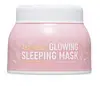
This hydrating overnight mask is formulated around Sodium Hyaluronate and Rosa Damascena Flower Water to hydrate skin and brighten dull-looking skin.
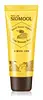
This calming moisturizer is formulated around Honey Extract and Propolis Extract to calm redness and hydrate skin.

What's inside
What's inside
 Key Ingredients
Benefits
Concerns
No concerns
Ingredients Side-by-side
Water
Skin ConditioningGlycerin
Humectant


Butylene Glycol
Humectant
Propanediol
Solvent
1,2-Hexanediol
Skin Conditioning
Glycereth-26
Humectant
Diethoxyethyl Succinate
SolventMelia Azadirachta Flower Extract
Skin ConditioningMelia Azadirachta Leaf Extract
Skin ConditioningSodium Hyaluronate
Humectant


Rosa Damascena Flower Water
Masking
Pyrus Communis Fruit Extract
Skin ConditioningPrunus Persica Fruit Extract
Abrasive
Jasminum Officinale Flower Water
MaskingCoccinia Indica Fruit Extract
Skin Conditioning
Cucumis Melo Fruit Extract
Skin ConditioningHedera Helix Leaf/Stem Extract
AntimicrobialCorallina Officinalis Extract
Skin Conditioning

Salicylic Acid
Masking









Triticum Vulgare Sprout Extract
Skin ConditioningBrassica Oleracea Italica Extract
AstringentBrassica Oleracea Capitata Leaf Extract
Skin ConditioningMedicago Sativa Extract
TonicRaphanus Sativus Seed Extract
Skin ConditioningBrassica Campestris Extract
Skin ConditioningGluconolactone
Chelating
Citric Acid
Buffering
Potassium Hyaluronate
Skin ConditioningHydroxypropyltrimonium Hyaluronate
Hydrolyzed Sodium Hyaluronate
Skin Conditioning
Hydrolyzed Hyaluronic Acid
Humectant
Hyaluronic Acid
Humectant
Pentylene Glycol
Skin Conditioning
Sodium Hyaluronate Crosspolymer
Humectant
Sodium Acetylated Hyaluronate
Humectant
Glyceryl Acrylate/Acrylic Acid Copolymer
HumectantAcrylates/C10-30 Alkyl Acrylate Crosspolymer
Emulsion StabilisingAmmonium Acryloyldimethyltaurate/Vp Copolymer
Betaine
Humectant
C12-14 Alketh-12
EmulsifyingXanthan Gum
EmulsifyingTromethamine
BufferingSodium Polyacrylate
Absorbent
Disodium EDTA
ChelatingWater, Glycerin, Butylene Glycol, Propanediol, 1,2-Hexanediol, Glycereth-26, Diethoxyethyl Succinate, Melia Azadirachta Flower Extract, Melia Azadirachta Leaf Extract, Sodium Hyaluronate, Rosa Damascena Flower Water, Pyrus Communis Fruit Extract, Prunus Persica Fruit Extract, Jasminum Officinale Flower Water, Coccinia Indica Fruit Extract, Cucumis Melo Fruit Extract, Hedera Helix Leaf/Stem Extract, Corallina Officinalis Extract, Salicylic Acid, Triticum Vulgare Sprout Extract, Brassica Oleracea Italica Extract, Brassica Oleracea Capitata Leaf Extract, Medicago Sativa Extract, Raphanus Sativus Seed Extract, Brassica Campestris Extract, Gluconolactone, Citric Acid, Potassium Hyaluronate, Hydroxypropyltrimonium Hyaluronate, Hydrolyzed Sodium Hyaluronate, Hydrolyzed Hyaluronic Acid, Hyaluronic Acid, Pentylene Glycol, Sodium Hyaluronate Crosspolymer, Sodium Acetylated Hyaluronate, Glyceryl Acrylate/Acrylic Acid Copolymer, Acrylates/C10-30 Alkyl Acrylate Crosspolymer, Ammonium Acryloyldimethyltaurate/Vp Copolymer, Betaine, C12-14 Alketh-12, Xanthan Gum, Tromethamine, Sodium Polyacrylate, Disodium EDTA
Honey Extract 40%
Humectant
Water
Skin ConditioningAloe Barbadensis Leaf Juice
Skin Conditioning
Glycerin
Humectant
Glycereth-26
Humectant
Hyaluronic Acid
Humectant
Sorbitol
Humectant
Propolis Extract
Skin Conditioning
Royal Jelly Extract
Skin Conditioning
Sh-Oligopeptide-1
Skin Conditioning
Sh-Polypeptide-11
Oligopeptide-2
Skin Conditioning
Hydrolyzed Collagen
Emollient
Beta-Glucan
Skin Conditioning
Portulaca Oleracea Extract
Skin Conditioning
Origanum Vulgare Leaf Extract
Skin ConditioningCaffeoyl Tripeptide-1
Antioxidant
Chamomilla Recutita Flower Extract
Masking
Glycine Max Seed Extract
Skin ConditioningScutellaria Baicalensis Root Extract
Astringent
Butylene Glycol
Humectant
Sucrose
Humectant
Fructose
Humectant
Glucose
Humectant
Trehalose
Humectant
Panthenol
Skin Conditioning
Dipotassium Glycyrrhizate
Humectant
Allantoin
Skin Conditioning
Glucosylrutin
Antioxidant
Arginine
Masking
Carbomer
Emulsion StabilisingXanthan Gum
Emulsifying1,2-Hexanediol
Skin Conditioning
Honey Extract 40%, Water, Aloe Barbadensis Leaf Juice, Glycerin, Glycereth-26, Hyaluronic Acid, Sorbitol, Propolis Extract, Royal Jelly Extract, Sh-Oligopeptide-1, Sh-Polypeptide-11, Oligopeptide-2, Hydrolyzed Collagen, Beta-Glucan, Portulaca Oleracea Extract, Origanum Vulgare Leaf Extract, Caffeoyl Tripeptide-1, Chamomilla Recutita Flower Extract, Glycine Max Seed Extract, Scutellaria Baicalensis Root Extract, Butylene Glycol, Sucrose, Fructose, Glucose, Trehalose, Panthenol, Dipotassium Glycyrrhizate, Allantoin, Glucosylrutin, Arginine, Carbomer, Xanthan Gum, 1,2-Hexanediol
Reviews
Ingredients Explained
These ingredients are found in both products.
Ingredients higher up in an ingredient list are typically present in a larger amount.
1,2-Hexanediol is a synthetic liquid and another multi-functional powerhouse.
It is a:
- Humectant, drawing moisture into the skin
- Emollient, helping to soften skin
- Solvent, dispersing and stabilizing formulas
- Preservative booster, enhancing the antimicrobial activity of other preservatives
Butylene Glycol (or BG) is used within cosmetic products for a few different reasons:
Overall, Butylene Glycol is a safe and well-rounded ingredient that works well with other ingredients.
Though this ingredient works well with most skin types, some people with sensitive skin may experience a reaction such as allergic rashes, closed comedones, or itchiness.
Learn more about Butylene GlycolGlycereth-26 is a synthetic ingredient and polyethylene glycol ether of Glycerin. Glycerin is already naturally found in your skin and helps keep your skin moisturized.
It is a humectant and helps add texture to products. It can make your product thicker.
As a humectant, it helps draw moisture from the air to your skin. This helps your skin stay hydrated.
Learn more about Glycereth-26Glycerin (or glycerol) is a compound naturally found in your skin. It's a powerhouse humectant that pulls water into the stratum corneum.
Topically, glycerin does several things at once:
Your skin makes glycerin on its own (mostly from sebaceous oil breakdown) and shuttles it to your outermost layer of skin, or your epidermis, via aquaporin-3.
Aquaporin-3 is a transporter that is essential for normal skin hydration, elasticity, and repair. Interestingly, mice lacking in AQP3 have dry and less elastic skin that can be fully corrected with glycerin.
This ingredient is non-irritating, plays well with almost every ingredient, and works across all skin types. Typical use is anywhere between 3-10% but can go up to 79% in some leave-on products.
Just know very high concentrations (>40%) can feel tacky in low humidity.
Glycerin is the name for this ingredient in American English. British English uses Glycerol/Glycerine.
Learn more about GlycerinHyaluronic acid (HA) is a glycosaminoglycan (basically a long sugar chain) that your skin already makes on its own. In your skin, HA lives in the extracellular matrix and acts as the body's moisture reservoir.
Topically, HA is a humectant that binds water and helps skin look more plump, smooth, and hydrated.
The only catch is that HA isn't a single thing; it actually comes in a wide range of molecular weights (~50 - 2,000+ kDA) and size matters.
Some clinical evidence links low molecular weight versions to improved wrinkle depth, elasticity, anti-inflammatory effects, and barrier repair.
This is why the best HA serums blend the two sizes together so you get the best of both worlds.
The majority of cosmetic HA is produced by bacterial fermentation, typically using Streptococcus or Bacillus strains. Typical use levels in skincare sit around 0.1-2%.
A clinical study using a 0.2% low-molecular weight HA gel showed improvement in facial seborrheic dermatitis with excellent tolerance.
These are some other common types of Hyaluronic Acid:
Learn more about Hyaluronic AcidWater. It's the most common cosmetic ingredient of all. You'll usually see it at the top of ingredient lists, meaning that it makes up the largest part of the product.
So why is it so popular? Water most often acts as a solvent - this means that it helps dissolve other ingredients into the formulation.
You'll also recognize water as that liquid we all need to stay alive. If you see this, drink a glass of water. Remember to stay hydrated!
Learn more about WaterXanthan gum is used as a stabilizer and thickener within cosmetic products. It helps give products a sticky, thick feeling - preventing them from being too runny.
On the technical side of things, xanthan gum is a polysaccharide - a combination consisting of multiple sugar molecules bonded together.
Xanthan gum is a pretty common and great ingredient. It is a natural, non-toxic, non-irritating ingredient that is also commonly used in food products.
Learn more about Xanthan Gum

