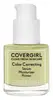
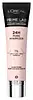
Covergirl Clean Fresh Skincare Color Correcting Serum Moisturizer Primer Versus L'Oreal Prime Lab Up to 24H Pore Minimizer


What's inside
What's inside
 Key Ingredients
Benefits
Concerns
Ingredients Side-by-side
Water
Skin ConditioningDimethicone
Emollient

Dicaprylyl Carbonate
EmollientGlycerin
Humectant

Niacinamide
Smoothing









Propylene Glycol
Humectant

Bis-PEG/PPG-20/5 PEG/PPG-20/5 Dimethicone
Emulsifying
Methoxy PEG/PPG-25/4 Dimethicone
Emulsifying
Hydroxyethyl Acrylate/Sodium Acryloyldimethyl Taurate Copolymer
Emulsion StabilisingCaprylic/Capric Triglyceride
Masking
1,2-Hexanediol
Skin Conditioning
Caprylyl Glycol
Emollient
Hydroxyacetophenone
Antioxidant
Persea Gratissima Oil
Skin Conditioning


Hydrogenated Vegetable Oil
Emollient
Xanthan Gum
EmulsifyingDicaprylyl Ether
Emollient
Bisabolol
Antioxidant
Polysorbate 60
Emulsifying
Sorbitan Isostearate
Emulsifying
Triethoxycaprylylsilane
Trisodium Ethylenediamine Disuccinate
ChelatingTri (Polyglyceryl-3/Lauryl) Hydrogenated Trilinoleate
EmulsifyingCetyl PEG/PPG-10/1 Dimethicone
Emulsifying
Ceramide NP
Skin Conditioning
Sodium Hydroxide
BufferingTocopherol
Antioxidant
Pentaerythrityl Tetra-Di-T-Butyl Hydroxyhydrocinnamate
Antioxidant
Farnesol
Perfuming


CI 77891
Cosmetic ColorantCI 77491
Cosmetic ColorantCI 77492
Cosmetic ColorantCI 77499
Cosmetic ColorantCI 77007
Cosmetic ColorantWater, Dimethicone, Dicaprylyl Carbonate, Glycerin, Niacinamide, Propylene Glycol, Bis-PEG/PPG-20/5 PEG/PPG-20/5 Dimethicone, Methoxy PEG/PPG-25/4 Dimethicone, Hydroxyethyl Acrylate/Sodium Acryloyldimethyl Taurate Copolymer, Caprylic/Capric Triglyceride, 1,2-Hexanediol, Caprylyl Glycol, Hydroxyacetophenone, Persea Gratissima Oil, Hydrogenated Vegetable Oil, Xanthan Gum, Dicaprylyl Ether, Bisabolol, Polysorbate 60, Sorbitan Isostearate, Triethoxycaprylylsilane, Trisodium Ethylenediamine Disuccinate, Tri (Polyglyceryl-3/Lauryl) Hydrogenated Trilinoleate, Cetyl PEG/PPG-10/1 Dimethicone, Ceramide NP, Sodium Hydroxide, Tocopherol, Pentaerythrityl Tetra-Di-T-Butyl Hydroxyhydrocinnamate, Farnesol, CI 77891, CI 77491, CI 77492, CI 77499, CI 77007
Water
Skin ConditioningDimethicone
Emollient
Silica
Abrasive
Alcohol Denat.
Antimicrobial

Dimethicone/Vinyl Dimethicone Crosspolymer
Skin Conditioning
Glycerin
Humectant
Butylene Glycol
Humectant
Bis-PEG-18 Methyl Ether Dimethyl Silane
EmollientPEG/PPG/Polybutylene Glycol-8/5/3 Glycerin
HumectantIsopropyl Lauroyl Sarcosinate
Skin ConditioningHydroxyethylpiperazine Ethane Sulfonic Acid
BufferingPolyglyceryl-3 Disiloxane Dimethicone
Skin Conditioning
Silica Silylate
Emollient
Lactic Acid
Buffering
Ammonium Polyacryloyldimethyl Taurate
Emulsion StabilisingPhenoxyethanol
Preservative
Capryloyl Salicylic Acid
Exfoliating
PPG-6-Decyltetradeceth-30
EmulsifyingSodium Hydroxide
BufferingSalicylic Acid
Masking
PEG-20 Methyl Glucose Sesquistearate
Emulsifying
Sodium Polyacrylate
Absorbent
Xanthan Gum
EmulsifyingTrisodium Ethylenediamine Disuccinate
ChelatingSodium Citrate
BufferingAdenosine
Skin Conditioning
Tocopherol
Antioxidant
Linalool
Perfuming
CI 14700
Cosmetic ColorantCeramide AP
Skin Conditioning
Water, Dimethicone, Silica, Alcohol Denat., Dimethicone/Vinyl Dimethicone Crosspolymer, Glycerin, Butylene Glycol, Bis-PEG-18 Methyl Ether Dimethyl Silane, PEG/PPG/Polybutylene Glycol-8/5/3 Glycerin, Isopropyl Lauroyl Sarcosinate, Hydroxyethylpiperazine Ethane Sulfonic Acid, Polyglyceryl-3 Disiloxane Dimethicone, Silica Silylate, Lactic Acid, Ammonium Polyacryloyldimethyl Taurate, Phenoxyethanol, Capryloyl Salicylic Acid, PPG-6-Decyltetradeceth-30, Sodium Hydroxide, Salicylic Acid, PEG-20 Methyl Glucose Sesquistearate, Sodium Polyacrylate, Xanthan Gum, Trisodium Ethylenediamine Disuccinate, Sodium Citrate, Adenosine, Tocopherol, Linalool, CI 14700, Ceramide AP
Ingredients Explained
These ingredients are found in both products.
Ingredients higher up in an ingredient list are typically present in a larger amount.
Dimethicone is a type of synthetic silicone created from natural materials such as quartz. It is also known as polydimethylsiloxane.
What it does:
Dimethicone comes in different viscosities:
Depending on the viscosity, dimethicone has different properties.
Ingredients lists don't always show which type is used, so we recommend reaching out to the brand if you have questions about the viscosity.
This ingredient is unlikely to cause irritation because it does not get absorbed into skin. However, people with silicone allergies should be careful about using this ingredient.
Note: Dimethicone may contribute to pilling. This is because it is not oil or water soluble, so pilling may occur when layered with products. When mixed with heavy oils in a formula, the outcome is also quite greasy.
Learn more about DimethiconeGlycerin (or glycerol) is a compound naturally found in your skin. It's a powerhouse humectant that pulls water into the stratum corneum.
Topically, glycerin does several things at once:
Your skin makes glycerin on its own (mostly from sebaceous oil breakdown) and shuttles it to your outermost layer of skin, or your epidermis, via aquaporin-3.
Aquaporin-3 is a transporter that is essential for normal skin hydration, elasticity, and repair. Interestingly, mice lacking in AQP3 have dry and less elastic skin that can be fully corrected with glycerin.
This ingredient is non-irritating, plays well with almost every ingredient, and works across all skin types. Typical use is anywhere between 3-10% but can go up to 79% in some leave-on products.
Just know very high concentrations (>40%) can feel tacky in low humidity.
Glycerin is the name for this ingredient in American English. British English uses Glycerol/Glycerine.
Learn more about GlycerinSodium Hydroxide is also known as lye or caustic soda. It is used to adjust the pH of products; many ingredients require a specific pH to be effective.
In small amounts, sodium hydroxide is considered safe to use. However, large amounts may cause chemical burns due to its high alkaline.
Your skin has a natural pH and acid mantle. This acid mantle helps prevent harmful bacteria from breaking through. The acid mantle also helps keep your skin hydrated.
"Alkaline" refers to a high pH level. A low pH level would be considered acidic.
Learn more about Sodium HydroxideTocopherol is a fat-soluble antioxidant known as Vitamin E.
You'll find this ingredient in the vast majority of skincare (for good reason). It works to neutralize free radicals, or unstable molecules generated by UV exposure, pollution, and other environmental stressors, before they can cause oxidative damage to your skin cells.
Topically applied tocopherol has been shown to protect against UV damage by ramping up the skin's own natural defense enzymes.
It also acts as a skin conditioning agent; some studies show that regular topical use can improve the skin's water-binding capacity over 2-4 weeks.
This ingredient is especially loved for being a team player. When combined with Vitamin C, the photoprotective effect of both ingredients roughly doubles and the combo also helps reduce UV-induced DNA damage.
This ingredient has some brightening potential but it's more of a prevention ingredient than spot-fader. Cell studies show it can slow down melanin production but it's worth noting that it's not the most powerful brightener out there.
In formulations, it also serves as a stabilizer that helps protect other oxidation-prone ingredients from degrading.
Concentrations usually range from 0.1-1% in most leave-on products.
Learn more about TocopherolTrisodium Ethylenediamine Disuccinate is used to help stabilize a product.
It is a chelating agent, meaning it helps prevent metal ions from binding to other ingredients. This prevents unwanted reactions in products. Metal ions can come into a product via the water ingredient. They are found in trace amounts and are not known to be harmful.
Water. It's the most common cosmetic ingredient of all. You'll usually see it at the top of ingredient lists, meaning that it makes up the largest part of the product.
So why is it so popular? Water most often acts as a solvent - this means that it helps dissolve other ingredients into the formulation.
You'll also recognize water as that liquid we all need to stay alive. If you see this, drink a glass of water. Remember to stay hydrated!
Learn more about WaterXanthan gum is used as a stabilizer and thickener within cosmetic products. It helps give products a sticky, thick feeling - preventing them from being too runny.
On the technical side of things, xanthan gum is a polysaccharide - a combination consisting of multiple sugar molecules bonded together.
Xanthan gum is a pretty common and great ingredient. It is a natural, non-toxic, non-irritating ingredient that is also commonly used in food products.
Learn more about Xanthan Gum

