

What's inside
What's inside
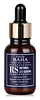 Key Ingredients
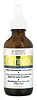
Benefits
Concerns
Ingredients Side-by-side
Aloe Barbadensis Leaf Extract
Emollient


Propanediol
Solvent
Sodium Hyaluronate
Humectant

Niacinamide
Smoothing







1,2-Hexanediol
Skin Conditioning
Polysorbate 20
Emulsifying
Retinol
Skin Conditioning

Tocopheryl Acetate
Antioxidant

Rosa Damascena Extract
MaskingLavandula Angustifolia Flower Extract
Cleansing

Camellia Sinensis Leaf Extract
Antimicrobial
Melissa Officinalis Leaf Extract
Skin ConditioningArtemisia Vulgaris Extract
Skin Conditioning
Disodium EDTA
Aloe Barbadensis Leaf Extract, Propanediol, Sodium Hyaluronate, Niacinamide, 1,2-Hexanediol, Polysorbate 20, Retinol, Tocopheryl Acetate, Rosa Damascena Extract, Lavandula Angustifolia Flower Extract, Camellia Sinensis Leaf Extract, Melissa Officinalis Leaf Extract, Artemisia Vulgaris Extract, Disodium EDTA
Water
Skin ConditioningIsopropyl Myristate
Emollient

Glycerin
Humectant
Pyrus Malus Fruit Extract
Skin Conditioning
Ethylhexyl Olivate
Skin Conditioning
Cetearyl Alcohol
Emollient

Aloe Barbadensis Leaf Juice
Skin Conditioning
Squalane
Emollient
Copernicia Cerifera Cera
Emollient
Retinol
Skin Conditioning
Propanediol
Solvent
Sodium Cocoamphoacetate
CleansingTocopheryl Acetate
Antioxidant
BHT
Antioxidant
BHA
Antioxidant
Xanthan Gum
EmulsifyingOryza Sativa Bran Extract
Skin Conditioning
Rosmarinus Officinalis Leaf Extract
AntimicrobialHelianthus Annuus Extract
Emollient
Tocopherol
Antioxidant
Cyamopsis Tetragonoloba Gum
Emulsion StabilisingAvena Sativa Bran Extract
Abrasive
Citrus Aurantium Dulcis Peel Extract
Emulsion Stabilising
Camellia Sinensis Leaf Extract
Antimicrobial
Tetrasodium Glutamate Diacetate
Ammonium Acryloyldimethyltaurate/Vp Copolymer
Citric Acid
Buffering
Parfum
Masking

Phenoxyethanol
Preservative
Maltodextrin
Absorbent
Caprylyl Glycol
Emollient
Ethylhexylglycerin
Skin ConditioningHexylene Glycol
EmulsifyingButylphenyl Methylpropional
Perfuming
Linalool
Perfuming
Limonene
Perfuming
Citronellol
Perfuming
Water, Isopropyl Myristate, Glycerin, Pyrus Malus Fruit Extract, Ethylhexyl Olivate, Cetearyl Alcohol, Aloe Barbadensis Leaf Juice, Squalane, Copernicia Cerifera Cera, Retinol, Propanediol, Sodium Cocoamphoacetate, Tocopheryl Acetate, BHT, BHA, Xanthan Gum, Oryza Sativa Bran Extract, Rosmarinus Officinalis Leaf Extract, Helianthus Annuus Extract, Tocopherol, Cyamopsis Tetragonoloba Gum, Avena Sativa Bran Extract, Citrus Aurantium Dulcis Peel Extract, Camellia Sinensis Leaf Extract, Tetrasodium Glutamate Diacetate, Ammonium Acryloyldimethyltaurate/Vp Copolymer, Citric Acid, Parfum, Phenoxyethanol, Maltodextrin, Caprylyl Glycol, Ethylhexylglycerin, Hexylene Glycol, Butylphenyl Methylpropional, Linalool, Limonene, Citronellol
Reviews
Ingredients Explained
These ingredients are found in both products.
Ingredients higher up in an ingredient list are typically present in a larger amount.
Camellia Sinensis Leaf Extract (tea extract) is one of the most well-researched plant extracts in skincare with an impressive resume.
Black tea, green tea, and oolong tea are all harvested from the Camellia Sinensis plant.
Studies show green tea extract and its catechins (like epigallocatechin gallate (EGCG)) help your skin cells product energy more efficiently and reducing the number of free-radicals that can damage your skin from the inside.
In lab-grown skin models, this translated to younger, healthier, and stronger skin.
There's also good sun protection data; researchers saw less DNA damage and redness on human skin when green tea was applied before UVB exposure. And the more they applied, the better the protection.
Needless to say, this ingredient shouldn't replace your sunscreen. But it is a great supportive ingredient that you can already find in many sunscreens and antioxidant serums.
A 2009 study found a 2% green tea lotion was effective for mild-to-moderate acne thanks to its anti-inflammatory and mild antimicrobial activity.
The quality of the extract matters a lot here:
Good extracts contain 50-90% catechins while lower quality ones are mostly there for marketing. We recommend reaching out to the brand if you have questions about the quality or source of their ingredients.
Human Repeated Insult Patch Testing showed no irritation or sensitization at use concentrations (0.86% in leave-on products and up to 30% as leaf water).
Learn more about Camellia Sinensis Leaf ExtractPropanediol is an all-star ingredient. It softens, hydrates, and smooths the skin.
It’s often used to:
Propanediol is not likely to cause sensitivity and considered safe to use. It is derived from corn or petroleum with a clear color and no scent.
Learn more about PropanediolRetinol is a gold-standard ingredient for anti-aging. It is a form of Vitamin A and belongs to the class of retinoids that also includes tretinoin.
Why is retinol famous?
It has the most scientific studies backing up its skin benefits out of all the non-prescription ingredients.
Retinol is proven to:
This is why retinol is effective at removing wrinkles, fading dark spots, treating acne, and reducing the appearance of pores.
Studies show retinol is less effective when exposed to UV. Be sure to look for appropriate packaging to keep your retinol potent (similar to Vitamin C).
Using retinol or any retinoids will increase sun-sensitivity in the first few months. Though studies show retinoids increase your skin's natural SPF with continuous use, it is best to always wear sunscreen and sun-protection.
We recommend speaking with a medical professional about using this ingredient during pregnancy.
Retinol may cause irritation in some people, so be sure to patch test. Experts recommend 'ramping up' retinol use: start using this ingredient once a week and work up to using it daily.
Read about Tretinoin
Learn more about RetinolTocopheryl Acetate is AKA Vitamin E. It is an antioxidant and protects your skin from free radicals. Free radicals damage the skin by breaking down collagen.
One study found using Tocopheryl Acetate with Vitamin C decreased the number of sunburned cells.
Tocopheryl Acetate is commonly found in both skincare and dietary supplements.
Learn more about Tocopheryl Acetate
