
What's inside
What's inside
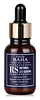 Key Ingredients
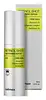
Benefits
Concerns
Ingredients Side-by-side
Aloe Barbadensis Leaf Extract
Emollient


Propanediol
Solvent
Sodium Hyaluronate
Humectant

Niacinamide
Smoothing







1,2-Hexanediol
Skin Conditioning
Polysorbate 20
Emulsifying
Retinol
Skin Conditioning

Tocopheryl Acetate
Antioxidant

Rosa Damascena Extract
MaskingLavandula Angustifolia Flower Extract
Cleansing

Camellia Sinensis Leaf Extract
Antimicrobial
Melissa Officinalis Leaf Extract
Skin ConditioningArtemisia Vulgaris Extract
Skin Conditioning
Disodium EDTA
Aloe Barbadensis Leaf Extract, Propanediol, Sodium Hyaluronate, Niacinamide, 1,2-Hexanediol, Polysorbate 20, Retinol, Tocopheryl Acetate, Rosa Damascena Extract, Lavandula Angustifolia Flower Extract, Camellia Sinensis Leaf Extract, Melissa Officinalis Leaf Extract, Artemisia Vulgaris Extract, Disodium EDTA
Water
Skin ConditioningMethylpropanediol
SolventGlycerin
Humectant
1,2-Hexanediol
Skin Conditioning
Caprylic/Capric Triglyceride
Masking
Panthenol
Skin Conditioning
Polypropylsilsesquioxane

C14-22 Alcohols
Emulsion Stabilising
Glyceryl Stearates
Emollient
Ammonium Acryloyldimethyltaurate/Vp Copolymer
Hydrolyzed Sponge
Skin ConditioningHelianthus Annuus Seed Oil
Emollient
Acrylates/C10-30 Alkyl Acrylate Crosspolymer
Emulsion StabilisingTocopherol
Antioxidant
Retinol 0.1%
Skin Conditioning
Allantoin
Skin Conditioning
Arginine
Masking
Undecane
EmollientXanthan Gum
EmulsifyingEthylhexylglycerin
Skin ConditioningC12-20 Alkyl Glucoside
EmulsifyingLauryl Glucoside
CleansingPolyglyceryl-6 Laurate
Emulsifying
Adenosine
Skin Conditioning
Tridecane
Perfuming
Disodium EDTA
Daucus Carota Sativa Root Extract
Skin Conditioning
Myristyl Glucoside
CleansingGlyceryl Acrylate/Acrylic Acid Copolymer
HumectantPvm/Ma Copolymer
Emulsion StabilisingButylene Glycol
Humectant
Beta-Carotene
Skin ConditioningGlucose
Humectant
Tripeptide-1
Skin Conditioning
Palmitoyl Tripeptide-1
Skin Conditioning
Nonapeptide-1
Skin Conditioning
Hexapeptide-9
Skin Conditioning
Dipeptide-2
Skin Conditioning
Copper Tripeptide-1
Skin Conditioning
Acetyl Tetrapeptide-5
Humectant
Acetyl Hexapeptide-8
Humectant
Palmitoyl Pentapeptide-4
Skin Conditioning
Water, Methylpropanediol, Glycerin, 1,2-Hexanediol, Caprylic/Capric Triglyceride, Panthenol, Polypropylsilsesquioxane, C14-22 Alcohols, Glyceryl Stearates, Ammonium Acryloyldimethyltaurate/Vp Copolymer, Hydrolyzed Sponge, Helianthus Annuus Seed Oil, Acrylates/C10-30 Alkyl Acrylate Crosspolymer, Tocopherol, Retinol 0.1%, Allantoin, Arginine, Undecane, Xanthan Gum, Ethylhexylglycerin, C12-20 Alkyl Glucoside, Lauryl Glucoside, Polyglyceryl-6 Laurate, Adenosine, Tridecane, Disodium EDTA, Daucus Carota Sativa Root Extract, Myristyl Glucoside, Glyceryl Acrylate/Acrylic Acid Copolymer, Pvm/Ma Copolymer, Butylene Glycol, Beta-Carotene, Glucose, Tripeptide-1, Palmitoyl Tripeptide-1, Nonapeptide-1, Hexapeptide-9, Dipeptide-2, Copper Tripeptide-1, Acetyl Tetrapeptide-5, Acetyl Hexapeptide-8, Palmitoyl Pentapeptide-4
Reviews
Ingredients Explained
These ingredients are found in both products.
Ingredients higher up in an ingredient list are typically present in a larger amount.
1,2-Hexanediol is a synthetic liquid and another multi-functional powerhouse.
It is a:
- Humectant, drawing moisture into the skin
- Emollient, helping to soften skin
- Solvent, dispersing and stabilizing formulas
- Preservative booster, enhancing the antimicrobial activity of other preservatives
Disodium EDTA is a chelating agent. It grabs onto and deactivates metal ions that sneak into your products from water, packaging, or air.
This ingredient mainly works behind the scenes and helps with:
On top of that, this ingredient can counteract the effects of hard water by binding to the minerals in it.
One thing worth knowing is that Disodium EDTA has been shown to be a mild penetration enhancer. It can help other ingredients absorb into skin more effectively which can be a double-edged sword (great for actives, but can also make the active too strong if you have sensitive skin).
Clinical patch testing showed no significant skin irritation at typical use concentrations and minimal dermal absorption.
You'll most likely see this ingredient near the end of an ingredient list. It's typically found in concentrations less than 1%.
Learn more about Disodium EDTARetinol is a gold-standard ingredient for anti-aging. It is a form of Vitamin A and belongs to the class of retinoids that also includes tretinoin.
Why is retinol famous?
It has the most scientific studies backing up its skin benefits out of all the non-prescription ingredients.
Retinol is proven to:
This is why retinol is effective at removing wrinkles, fading dark spots, treating acne, and reducing the appearance of pores.
Studies show retinol is less effective when exposed to UV. Be sure to look for appropriate packaging to keep your retinol potent (similar to Vitamin C).
Using retinol or any retinoids will increase sun-sensitivity in the first few months. Though studies show retinoids increase your skin's natural SPF with continuous use, it is best to always wear sunscreen and sun-protection.
We recommend speaking with a medical professional about using this ingredient during pregnancy.
Retinol may cause irritation in some people, so be sure to patch test. Experts recommend 'ramping up' retinol use: start using this ingredient once a week and work up to using it daily.
Read about Tretinoin
Learn more about Retinol
