This calming serum is formulated around Azelaic Acid to calm redness and clear breakouts.
This acne treatment is formulated around Azelaic Acid to clear breakouts and calm redness.


What's inside
What's inside
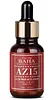 Key Ingredients
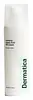
Benefits
Concerns
Ingredients Side-by-side
Water
Skin ConditioningPropylene Glycol
Humectant


Azelaic Acid
Buffering









Sodium Hydroxide
Buffering1,2-Hexanediol
Skin Conditioning
Polysorbate 20
Emulsifying
Dimethyl Sulfone
SolventPropanediol
Solvent
Betaine
Humectant
Panthenol
Skin Conditioning
Dipotassium Glycyrrhizate
Humectant
Allantoin
Skin Conditioning
Ceramide NP
Skin Conditioning

Sodium Hyaluronate
Humectant
Hydrolyzed Hyaluronic Acid
Humectant
Centella Asiatica Extract
Cleansing
Madecassoside
Antioxidant
Hydroxyethylcellulose
Emulsion StabilisingSodium Polyacrylate
Absorbent
Polyglyceryl-10 Laurate
Skin Conditioning
Camellia Sinensis Leaf Extract
Antimicrobial
Sambucus Nigra Flower Extract
RefreshingMomordica Charantia Fruit Extract
Skin ConditioningLeontopodium Alpinum Extract
Skin ConditioningWater, Propylene Glycol, Azelaic Acid, Sodium Hydroxide, 1,2-Hexanediol, Polysorbate 20, Dimethyl Sulfone, Propanediol, Betaine, Panthenol, Dipotassium Glycyrrhizate, Allantoin, Ceramide NP, Sodium Hyaluronate, Hydrolyzed Hyaluronic Acid, Centella Asiatica Extract, Madecassoside, Hydroxyethylcellulose, Sodium Polyacrylate, Polyglyceryl-10 Laurate, Camellia Sinensis Leaf Extract, Sambucus Nigra Flower Extract, Momordica Charantia Fruit Extract, Leontopodium Alpinum Extract
Water
Skin ConditioningAzelaic Acid 15%
Buffering
Propanediol
Solvent
Squalane
Emollient
Dimethicone
Emollient
Glycerin
Humectant
Glyceryl Stearate
Emollient
PEG-75 Stearate
Surfactant
Phenoxyethanol
Preservative
Cetyl Alcohol
Emollient

Tocopheryl Acetate
Antioxidant
Acrylates/C10-30 Alkyl Acrylate Crosspolymer
Emulsion StabilisingSodium Lauroyl Lactylate
EmulsifyingSodium Hydroxide
BufferingCeramide NP
Skin Conditioning
Ceramide AP
Skin Conditioning
Phytosphingosine
Skin Conditioning
Cholesterol
Emollient
Carbomer
Emulsion StabilisingXanthan Gum
EmulsifyingCeramide EOP
Skin Conditioning
Water, Azelaic Acid 15%, Propanediol, Squalane, Dimethicone, Glycerin, Glyceryl Stearate, PEG-75 Stearate, Phenoxyethanol, Cetyl Alcohol, Tocopheryl Acetate, Acrylates/C10-30 Alkyl Acrylate Crosspolymer, Sodium Lauroyl Lactylate, Sodium Hydroxide, Ceramide NP, Ceramide AP, Phytosphingosine, Cholesterol, Carbomer, Xanthan Gum, Ceramide EOP
Reviews
Ingredients Explained
These ingredients are found in both products.
Ingredients higher up in an ingredient list are typically present in a larger amount.
Azelaic acid is a multitasker ingredient that helps treat acne, pigmentation, and irritation. It is a great option for sensitive skin.
What makes it special?
OTC Azelaic acid is usually available in concentrations from 10-15% and anything over requires a prescription.
Here's what each tier does best:
Unlike other acids, azelaic acid will not make your skin more photosensitive/sun sensitive.
Though this ingredient is naturally occurring in grains like wheat, rye, and barley, it is usually synthetically created for cosmetics to ensure stability and effectiveness.
Learn more about Azelaic AcidCeramide NP (formerly known as Ceramide 3) is one of the skin's naturally occurring lipids.
Since ceramides are the major lipid components of the skin, they are crucial for maintaining skin barrier and hydration. Ceramide NP most closely mirrors the dominant kind in human skin amongst ceramide subtypes.
This ceramide works by slotting into gaps within the stratum corneum's lipid matrix to limit trans-epidermal water loss (TEWL) and shield the skin against external irritants.
A study with 312 patients found that using a ceramide-containing routine for 4 weeks reduced the severity of atopic dermatitis by over 61%.
Another clinical study in subjects aged 60 and older found that a ceramide body wash and moisturizer improved skin dryness and itchy skin in 15 days.
Overall, ceramides are considered non-irritating and safety tests have found little to no observable adverse effects from using this ingredient.
Ceramide NP is usually sourced from plants (like soybean or rice bran), or produced synthetically.
Learn more about Ceramide NPPropanediol is an all-star ingredient. It softens, hydrates, and smooths the skin.
It’s often used to:
Propanediol is not likely to cause sensitivity and considered safe to use. It is derived from corn or petroleum with a clear color and no scent.
Learn more about PropanediolSodium Hydroxide is also known as lye or caustic soda. It is used to adjust the pH of products; many ingredients require a specific pH to be effective.
In small amounts, sodium hydroxide is considered safe to use. However, large amounts may cause chemical burns due to its high alkaline.
Your skin has a natural pH and acid mantle. This acid mantle helps prevent harmful bacteria from breaking through. The acid mantle also helps keep your skin hydrated.
"Alkaline" refers to a high pH level. A low pH level would be considered acidic.
Learn more about Sodium HydroxideWater. It's the most common cosmetic ingredient of all. You'll usually see it at the top of ingredient lists, meaning that it makes up the largest part of the product.
So why is it so popular? Water most often acts as a solvent - this means that it helps dissolve other ingredients into the formulation.
You'll also recognize water as that liquid we all need to stay alive. If you see this, drink a glass of water. Remember to stay hydrated!
Learn more about Water

