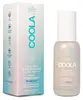
This hybrid sunscreen covers the full UV range and blocks ~97% of UVB at SPF 30.
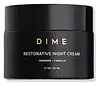
This barrier-repair night moisturizer is formulated around Simmondsia Chinensis Seed Oil and Squalane to strengthen the skin barrier and hydrate skin.

What's inside
What's inside
 Key Ingredients
Benefits
Concerns
Ingredients Side-by-side
Zinc Oxide 14.7%
Cosmetic Colorant


Aloe Barbadensis Leaf Juice
Skin Conditioning


Caprylic/Capric Triglyceride
Masking

Glycerin
Humectant
Glyceryl Stearate Citrate
Emollient

Niacinamide
Smoothing






Butylene Glycol
Humectant
Butyloctyl Salicylate
Skin Conditioning
Ethylhexyl Methoxycrylene
Skin Conditioning
Hydroxyethyl Acrylate/Sodium Acryloyldimethyl Taurate Copolymer
Emulsion StabilisingWater
Skin ConditioningJasminum Sambac Leaf Cell Extract
Masking
Theobroma Cacao Seed Extract
Antioxidant
Centella Asiatica Leaf Extract
Skin Conditioning
Tropolone
Skin ConditioningSchinus Molle Extract
Skin ProtectingIsostearic Acid
Cleansing

Citric Acid
Buffering
Polyhydroxystearic Acid
Emulsifying
Propanediol
Solvent
Capryloyl Glycerin/Sebacic Acid Copolymer
Skin ConditioningIsoamyl Laurate
Emollient
1,2-Hexanediol
Skin Conditioning
Caprylyl Glycol
Emollient
Tocopheryl Acetate
Antioxidant
Sodium Phytate
ChelatingZinc Oxide 14.7%, Aloe Barbadensis Leaf Juice, Caprylic/Capric Triglyceride, Glycerin, Glyceryl Stearate Citrate, Niacinamide, Butylene Glycol, Butyloctyl Salicylate, Ethylhexyl Methoxycrylene, Hydroxyethyl Acrylate/Sodium Acryloyldimethyl Taurate Copolymer, Water, Jasminum Sambac Leaf Cell Extract, Theobroma Cacao Seed Extract, Centella Asiatica Leaf Extract, Tropolone, Schinus Molle Extract, Isostearic Acid, Citric Acid, Polyhydroxystearic Acid, Propanediol, Capryloyl Glycerin/Sebacic Acid Copolymer, Isoamyl Laurate, 1,2-Hexanediol, Caprylyl Glycol, Tocopheryl Acetate, Sodium Phytate
Water
Skin ConditioningGlycerin
Humectant
Cetearyl Alcohol
Emollient
Ethylhexyl Olivate
Skin Conditioning
Isononyl Isononanoate
EmollientGlyceryl Stearate
Emollient
Pentylene Glycol
Skin Conditioning
1,2-Hexanediol
Skin Conditioning
Behenyl Alcohol
Emollient
Simmondsia Chinensis Seed Oil
Emollient
Squalane
Emollient
Sodium Stearoyl Lactylate
EmulsifyingHydroxyacetophenone
Antioxidant
Caprylic/Capric Triglyceride
Masking
Butyrospermum Parkii Butter
Skin Conditioning
Carbomer
Emulsion StabilisingXanthan Gum
EmulsifyingCamellia Oleifera Seed Oil
Skin Conditioning
Olea Europaea Fruit Unsaponifiables
Antioxidant
Stearyl Glycyrrhetinate
Skin ConditioningTetrasodium Glutamate Diacetate
ChelatingLinoleic Acid
Cleansing
Phospholipids
Skin Conditioning
Phytosterols
Skin Conditioning
Ceramide NP
Skin Conditioning
Hydroxypropyl Cyclodextrin
MaskingSodium Hyaluronate
Humectant
Glycolipids
Skin ConditioningGlycine Max Seed Extract
Skin ConditioningAloe Barbadensis Leaf Juice
Skin Conditioning
Hippophae Rhamnoides Fruit Oil
Skin Protecting
Palmitoyl Tripeptide-38
Skin Conditioning
Water, Glycerin, Cetearyl Alcohol, Ethylhexyl Olivate, Isononyl Isononanoate, Glyceryl Stearate, Pentylene Glycol, 1,2-Hexanediol, Behenyl Alcohol, Simmondsia Chinensis Seed Oil, Squalane, Sodium Stearoyl Lactylate, Hydroxyacetophenone, Caprylic/Capric Triglyceride, Butyrospermum Parkii Butter, Carbomer, Xanthan Gum, Camellia Oleifera Seed Oil, Olea Europaea Fruit Unsaponifiables, Stearyl Glycyrrhetinate, Tetrasodium Glutamate Diacetate, Linoleic Acid, Phospholipids, Phytosterols, Ceramide NP, Hydroxypropyl Cyclodextrin, Sodium Hyaluronate, Glycolipids, Glycine Max Seed Extract, Aloe Barbadensis Leaf Juice, Hippophae Rhamnoides Fruit Oil, Palmitoyl Tripeptide-38
Reviews
Ingredients Explained
These ingredients are found in both products.
Ingredients higher up in an ingredient list are typically present in a larger amount.
1,2-Hexanediol is a synthetic liquid and another multi-functional powerhouse.
It is a:
- Humectant, drawing moisture into the skin
- Emollient, helping to soften skin
- Solvent, dispersing and stabilizing formulas
- Preservative booster, enhancing the antimicrobial activity of other preservatives
Aloe Barbadensis Leaf Juice is the filtered, stabilized liquid pressed from the inner gel of the aloe vera leaf.
In cosmetics, it shows up as either soothing active or a water-replacement base. It is roughly 98-99% water and the last 1-2% is an interesting mix of polysaccharides, amino acids, vitamins, minerals, and enzymes.
The polysaccharides do most of the work: they bind water at the skin surface for a light, non-greasy hydration boost. And one of the polysaccharides, glycomannan, is linked to fibroblast stimulation + collagen synthesis. This is also why aloe has such a long track record in wound and burn healing.
This ingredient is also calming with anti-inflammatory and mild antimicrobial activity, making it a great pick for sensitive, irritated, or post-sun skin.
Realistic expectations matter though; the solid evidence is mostly limited to hydration, soothing, and wound support. Deeper claims about anti-aging or sun protection are not well backed, and science reviews note it does not prevent radiation-induced skin injury.
Because it plays well with almost everything, it's commonly used as a base alongside other actives like niacinamide or vitamin C.
Typical usage concentrations range from 0.5% (where hydration benefits already show up) all the way to 90%+ (where it replaces water as the main base).
The safety for this ingredient is well-establish as well. Overall, this is a great supporting ingredient for those who want a boost in hydration.
Learn more about Aloe Barbadensis Leaf JuiceCaprylic/Capric Triglyceride (aka MCT Oil) is a lightweight emollient, solvent, and texture enhancer. It is considered a skin-softener by helping to prevent moisture loss.
Though it behaves like an oil, it is not technically one due to its chemical composition. One perk of this ingredient is that it is very stable, resistant to oxidation, and unlikely to go rancid.
In practice, that translates to a long shelf life and a consistently elegant skin feel.
While there is an assumption Caprylic Triglyceride can clog pores due to it being derived from coconut oil, there is no research supporting this. Just patch test if you have concerns.
Fractionated coconut oil and MCT Oil are both listed as Caprylic/Capric Triglyceride according to INCI. This is because INCI names are based on the ingredient’s final chemical composition and not its marketing name or source.
This ingredient is treated as the gold standard fungal acne safe oil. Even though it is coconut derived, the problematic lauric acid is stripped out.
This leaves just caprylic (C8) and capric (C10) acid. These chain lengths actually trend antifungal; a 2020 study found caprylic acid was enough to disrupt Malassezia furfur cell membrane, with a caprylic acid derivative damaging membrane structures at concentrations as low as 0.2%.
Learn more about Caprylic/Capric TriglycerideGlycerin (or glycerol) is a compound naturally found in your skin. It's a powerhouse humectant that pulls water into the stratum corneum.
Topically, glycerin does several things at once:
Your skin makes glycerin on its own (mostly from sebaceous oil breakdown) and shuttles it to your outermost layer of skin, or your epidermis, via aquaporin-3.
Aquaporin-3 is a transporter that is essential for normal skin hydration, elasticity, and repair. Interestingly, mice lacking in AQP3 have dry and less elastic skin that can be fully corrected with glycerin.
This ingredient is non-irritating, plays well with almost every ingredient, and works across all skin types. Typical use is anywhere between 3-10% but can go up to 79% in some leave-on products.
Just know very high concentrations (>40%) can feel tacky in low humidity.
Glycerin is the name for this ingredient in American English. British English uses Glycerol/Glycerine.
Learn more about GlycerinWater. It's the most common cosmetic ingredient of all. You'll usually see it at the top of ingredient lists, meaning that it makes up the largest part of the product.
So why is it so popular? Water most often acts as a solvent - this means that it helps dissolve other ingredients into the formulation.
You'll also recognize water as that liquid we all need to stay alive. If you see this, drink a glass of water. Remember to stay hydrated!
Learn more about Water

