
What's inside
What's inside
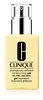 Key Ingredients
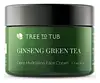
Benefits
Concerns
Ingredients Side-by-side
Water
Skin ConditioningDimethicone
Emollient

Isododecane
EmollientButylene Glycol
Humectant

Bis-PEG-18 Methyl Ether Dimethyl Silane
EmollientGlycerin
Humectant
Laminaria Saccharina Extract
Skin ProtectingPolygonum Cuspidatum Root Extract
Antioxidant
Saccharomyces Lysate Extract
Humectant
Cucumis Sativus Fruit Extract
Emollient

Hordeum Vulgare Extract
EmollientHelianthus Annuus Seedcake
Abrasive
Caffeine
Skin Conditioning
Trehalose
Humectant
Sodium Hyaluronate
Humectant
Tocopheryl Acetate
Antioxidant

Polysilicone-11

Silica
Abrasive
Propylene Glycol Dicaprate
EmollientOleth-10
EmulsifyingLactobacillus Ferment
Skin Conditioning
Laureth-23
Cleansing
Laureth-4
Emulsifying
Ammonium Acryloyldimethyltaurate/Vp Copolymer
Carbomer
Emulsion StabilisingCaprylyl Glycol
Emollient
Hexylene Glycol
EmulsifyingTromethamine
BufferingDisodium EDTA
Phenoxyethanol
Preservative
CI 19140
Cosmetic ColorantCI 14700
Cosmetic ColorantCI 15985
Cosmetic ColorantWater, Dimethicone, Isododecane, Butylene Glycol, Bis-PEG-18 Methyl Ether Dimethyl Silane, Glycerin, Laminaria Saccharina Extract, Polygonum Cuspidatum Root Extract, Saccharomyces Lysate Extract, Cucumis Sativus Fruit Extract, Hordeum Vulgare Extract, Helianthus Annuus Seedcake, Caffeine, Trehalose, Sodium Hyaluronate, Tocopheryl Acetate, Polysilicone-11, Silica, Propylene Glycol Dicaprate, Oleth-10, Lactobacillus Ferment, Laureth-23, Laureth-4, Ammonium Acryloyldimethyltaurate/Vp Copolymer, Carbomer, Caprylyl Glycol, Hexylene Glycol, Tromethamine, Disodium EDTA, Phenoxyethanol, CI 19140, CI 14700, CI 15985
Aloe Barbadensis Leaf Juice
Skin Conditioning
Rosa Damascena Flower Water
Masking
Coco-Caprylate/Caprate
Emollient
Glycerin
Humectant
Cetearyl Olivate
Sorbitan Olivate
Emulsifying
Panthenol
Skin Conditioning
Xylitylglucoside
Humectant
Anhydroxylitol
Humectant
Xylitol
Humectant
Sodium Acrylates Copolymer
Lecithin
Emollient
1,2-Hexanediol
Skin Conditioning
Butyrospermum Parkii Butter
Skin Conditioning
Theobroma Cacao Seed Butter
Emollient
Simmondsia Chinensis Seed Oil
Emollient
Niacinamide
Smoothing



Tocopheryl Acetate
Antioxidant
Hydroxyacetophenone
Antioxidant
Sodium Hyaluronate
Humectant
Xanthan Gum
EmulsifyingAscorbic Acid
Antioxidant
Caprylhydroxamic Acid
Camellia Sinensis Leaf Extract
Antimicrobial
Melaleuca Alternifolia Leaf Extract
Perfuming
Panax Ginseng Root Extract
Emollient
Lavandula Angustifolia Oil
Masking


Aloe Barbadensis Leaf Juice, Rosa Damascena Flower Water, Coco-Caprylate/Caprate, Glycerin, Cetearyl Olivate, Sorbitan Olivate, Panthenol, Xylitylglucoside, Anhydroxylitol, Xylitol, Sodium Acrylates Copolymer, Lecithin, 1,2-Hexanediol, Butyrospermum Parkii Butter, Theobroma Cacao Seed Butter, Simmondsia Chinensis Seed Oil, Niacinamide, Tocopheryl Acetate, Hydroxyacetophenone, Sodium Hyaluronate, Xanthan Gum, Ascorbic Acid, Caprylhydroxamic Acid, Camellia Sinensis Leaf Extract, Melaleuca Alternifolia Leaf Extract, Panax Ginseng Root Extract, Lavandula Angustifolia Oil
Reviews
Ingredients Explained
These ingredients are found in both products.
Ingredients higher up in an ingredient list are typically present in a larger amount.
Glycerin (or glycerol) is a compound naturally found in your skin. It's a powerhouse humectant that pulls water into the stratum corneum.
Topically, glycerin does several things at once:
Your skin makes glycerin on its own (mostly from sebaceous oil breakdown) and shuttles it to your outermost layer of skin, or your epidermis, via aquaporin-3.
Aquaporin-3 is a transporter that is essential for normal skin hydration, elasticity, and repair. Interestingly, mice lacking in AQP3 have dry and less elastic skin that can be fully corrected with glycerin.
This ingredient is non-irritating, plays well with almost every ingredient, and works across all skin types. Typical use is anywhere between 3-10% but can go up to 79% in some leave-on products.
Just know very high concentrations (>40%) can feel tacky in low humidity.
Glycerin is the name for this ingredient in American English. British English uses Glycerol/Glycerine.
Learn more about GlycerinSodium Hyaluronate is the salt form of hyaluronic acid. It is a long sugar chain that is naturally found in your skin, joints, and connective tissue that maintains hydration and elasticity.
In skincare, it works as a humectant. It pulls water from the environment and deeper layers of skin and binds it to the surface.
Interestingly, the size of the molecule affects its behavior:
Some clinical evidence links low molecular weight versions to improved wrinkle depth, elasticity, anti-inflammatory effects, and barrier repair.
Many serums use a blend of both weights so you can get surface hydration plus longer-lasting and deeper effects.
You'll typically see concentrations between 0.1-2% for this ingredient.
Learn more about Sodium HyaluronateTocopheryl Acetate is AKA Vitamin E. It is an antioxidant and protects your skin from free radicals. Free radicals damage the skin by breaking down collagen.
One study found using Tocopheryl Acetate with Vitamin C decreased the number of sunburned cells.
Tocopheryl Acetate is commonly found in both skincare and dietary supplements.
Learn more about Tocopheryl Acetate
