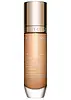
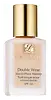
Clarins Skin Illusion Full Coverage Foundation Versus Estée Lauder Double Wear Stay-In-Place Makeup SPF 10


What's inside
What's inside
 Key Ingredients
Benefits
Concerns
Ingredients Side-by-side
Water
Skin ConditioningCI 77891
Cosmetic ColorantMethyl Trimethicone
Skin Conditioning
Dimethicone
Emollient
Alcohol
Antimicrobial




Dicaprylyl Carbonate
EmollientAcrylates/Dimethicone Copolymer
Skin Conditioning
Butylene Glycol
Humectant

PEG-9 Polydimethylsiloxyethyl Dimethicone
Emulsifying
Pentylene Glycol
Skin Conditioning
CI 77492
Cosmetic ColorantDimethicone/PEG-10/15 Crosspolymer
Polyglyceryl-3 Polydimethylsiloxyethyl Dimethicone
Skin Conditioning
Sodium Chloride
MaskingSilica
Abrasive


Parfum
Masking

Stearalkonium Hectorite
Gel FormingAvena Sativa Kernel Extract
Abrasive


Glycerin
Humectant
Aluminum Hydroxide
EmollientHydrolyzed Hyaluronic Acid
Humectant

Triethoxycaprylylsilane
CI 77491
Cosmetic ColorantEthylhexylglycerin
Skin ConditioningTocopheryl Acetate
Antioxidant

Propylene Carbonate
SolventCI 77499
Cosmetic ColorantDisodium EDTA
Mica
Cosmetic ColorantHydroxyethyl Urea
Humectant
Dipropylene Glycol
HumectantSodium Benzoate
Masking
Zinc Gluconate
Skin Conditioning

Tetramethyl Acetyloctahydronaphthalenes
Masking
Marrubium Vulgare Extract
Skin ConditioningPhenoxyethanol
Preservative
Sodium Citrate
BufferingAlgin
Masking
Acacia Senegal Gum
MaskingPhenethyl Alcohol
MaskingLinalyl Acetate
Masking
Tocopherol
Antioxidant
Furcellaria Lumbricalis Extract
Skin ConditioningLapsana Communis Flower/Leaf/Stem Extract
Skin ConditioningMaris Sal
Skin ConditioningWater, CI 77891, Methyl Trimethicone, Dimethicone, Alcohol, Dicaprylyl Carbonate, Acrylates/Dimethicone Copolymer, Butylene Glycol, PEG-9 Polydimethylsiloxyethyl Dimethicone, Pentylene Glycol, CI 77492, Dimethicone/PEG-10/15 Crosspolymer, Polyglyceryl-3 Polydimethylsiloxyethyl Dimethicone, Sodium Chloride, Silica, Parfum, Stearalkonium Hectorite, Avena Sativa Kernel Extract, Glycerin, Aluminum Hydroxide, Hydrolyzed Hyaluronic Acid, Triethoxycaprylylsilane, CI 77491, Ethylhexylglycerin, Tocopheryl Acetate, Propylene Carbonate, CI 77499, Disodium EDTA, Mica, Hydroxyethyl Urea, Dipropylene Glycol, Sodium Benzoate, Zinc Gluconate, Tetramethyl Acetyloctahydronaphthalenes, Marrubium Vulgare Extract, Phenoxyethanol, Sodium Citrate, Algin, Acacia Senegal Gum, Phenethyl Alcohol, Linalyl Acetate, Tocopherol, Furcellaria Lumbricalis Extract, Lapsana Communis Flower/Leaf/Stem Extract, Maris Sal
Water
Skin ConditioningCyclopentasiloxane
Emollient
Trimethylsiloxysilicate
Emollient
Butylene Glycol
Humectant
PEG/PPG-18/18 Dimethicone
Emulsifying
Polyglyceryl-3 Diisostearate
Emulsifying

Magnesium Sulfate
Tribehenin
Emollient
Titanium Dioxide
Cosmetic Colorant

Tocopheryl Acetate
Antioxidant
Methicone
Emollient
Polymethylsilsesquioxane
Laureth-7
EmulsifyingDisteardimonium Hectorite
StabilisingCellulose Gum
Emulsion StabilisingPropylene Carbonate
SolventXanthan Gum
EmulsifyingPentaerythrityl Tetra-Di-T-Butyl Hydroxyhydrocinnamate
Antioxidant
Alumina
Abrasive
Phenoxyethanol
Preservative
Sodium Dehydroacetate
Preservative
CI 77891
Cosmetic ColorantMica
Cosmetic ColorantIron Oxides
CI 77491
Cosmetic ColorantCI 77492
Cosmetic ColorantCI 77499
Cosmetic ColorantWater, Cyclopentasiloxane, Trimethylsiloxysilicate, Butylene Glycol, PEG/PPG-18/18 Dimethicone, Polyglyceryl-3 Diisostearate, Magnesium Sulfate, Tribehenin, Titanium Dioxide, Tocopheryl Acetate, Methicone, Polymethylsilsesquioxane, Laureth-7, Disteardimonium Hectorite, Cellulose Gum, Propylene Carbonate, Xanthan Gum, Pentaerythrityl Tetra-Di-T-Butyl Hydroxyhydrocinnamate, Alumina, Phenoxyethanol, Sodium Dehydroacetate, CI 77891, Mica, Iron Oxides, CI 77491, CI 77492, CI 77499
Ingredients Explained
These ingredients are found in both products.
Ingredients higher up in an ingredient list are typically present in a larger amount.
Butylene Glycol (or BG) is used within cosmetic products for a few different reasons:
Overall, Butylene Glycol is a safe and well-rounded ingredient that works well with other ingredients.
Though this ingredient works well with most skin types, some people with sensitive skin may experience a reaction such as allergic rashes, closed comedones, or itchiness.
Learn more about Butylene GlycolCi 77491 is also hydrated iron III oxide. It's sole purpose is to give a red/pink hue to products.
Iron III oxides are classified as inorganic chemicals for coloring.
Synthetically created Ci 77491 is considered safer than those naturally found. This is because the synthetically created version may contain less impurities. Iron oxides are generally non-toxic and non-allergenic.
Learn more about CI 77491CI 77492 is also hydrated iron III oxide. It's sole purpose is to give a yellow hue to products.
Iron III oxides are classified as inorganic chemicals for coloring.
Synthetically created CI 77492 is considered safer than those naturally found. This is because the synthetically created version may contain less impurities. Iron oxides are generally non-toxic and non-allergenic.
Learn more about CI 77492Ci 77499 is also hydrated iron III oxide. It is created from mixing red and black iron oxides. This helps give shades of darkness to a product.
Iron III oxides are classified as inorganic chemicals for coloring.
Ci 77891 is a white pigment from Titanium dioxide. It is naturally found in minerals such as rutile and ilmenite.
It's main function is to add a white color to cosmetics. It can also be mixed with other colors to create different shades.
Ci 77891 is commonly found in sunscreens due to its ability to block UV rays.
Learn more about CI 77891Mica is a naturally occurring mineral used to add shimmer and color in cosmetics. It can also help improve the texture of a product or give it an opaque, white/silver color.
Serecite is the name for very fine but ragged grains of mica.
This ingredient is often coated with metal oxides like titanium dioxide. Trace amounts of heavy metals may be found in mica, but these metals are not harmful in our personal products.
Mica has been used since prehistoric times throughout the world. Ancient Egyptian, Indian, Greek, Roman, Aztec, and Chinese civilizations have used mica.
Learn more about MicaPhenoxyethanol is a preservative that has germicide, antimicrobial, and aromatic properties. Studies show that phenoxyethanol can prevent microbial growth. By itself, it has a scent that is similar to that of a rose.
It's often used in formulations along with Caprylyl Glycol to preserve the shelf life of products.
This ingredient is a solvent. It helps dissolve active ingredients and alter the texture of products.
Propylene Carbonate is commonly used in makeup and with clay, such as montmorillonite or bentonite.
Studies show this ingredient to be safe for cosmetics. When it is undiluted, it can cause skin irritation. (It is always diluted in skincare and makeup). This ingredient is water-soluble.
Propylene Carbonate is created from propylene glycol and carbonic acid.
Learn more about Propylene CarbonateTocopheryl Acetate is AKA Vitamin E. It is an antioxidant and protects your skin from free radicals. Free radicals damage the skin by breaking down collagen.
One study found using Tocopheryl Acetate with Vitamin C decreased the number of sunburned cells.
Tocopheryl Acetate is commonly found in both skincare and dietary supplements.
Learn more about Tocopheryl AcetateWater. It's the most common cosmetic ingredient of all. You'll usually see it at the top of ingredient lists, meaning that it makes up the largest part of the product.
So why is it so popular? Water most often acts as a solvent - this means that it helps dissolve other ingredients into the formulation.
You'll also recognize water as that liquid we all need to stay alive. If you see this, drink a glass of water. Remember to stay hydrated!
Learn more about Water
