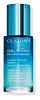
This hydrating serum is formulated around Hydrolyzed Hyaluronic Acid and Sodium Acetylated Hyaluronate to hydrate skin.
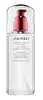
This hydrating toner is formulated around Tremella Fuciformis Polysaccharide and Sodium Acetylated Hyaluronate to hydrate skin.


What's inside
What's inside
 Key Ingredients
Benefits
Concerns
Ingredients Side-by-side
Water
Skin ConditioningDicaprylyl Ether
Emollient
Glycerin
Humectant

Isononyl Isononanoate
EmollientPropanediol
Solvent
Betaine
Humectant
Hydrolyzed Hyaluronic Acid
Humectant

Sodium Chloride
MaskingCaprylic/Capric Triglyceride
Masking
Sodium Benzoate
Masking
Parfum
Masking




Tocopheryl Acetate
Antioxidant


Xanthan Gum
EmulsifyingSodium Acetylated Hyaluronate
Humectant
Citric Acid
Buffering
Disodium EDTA
ChelatingDiethylamino Hydroxybenzoyl Hexyl Benzoate
UV Filter
Caprylyl/Capryl Glucoside
CleansingKalanchoe Pinnata Leaf Extract
MaskingAlcohol
Antimicrobial

Tocopherol
Antioxidant

Tris(Tetramethylhydroxypiperidinol)Citrate
StabilisingArbutus Unedo Fruit Extract
Antioxidant
Potassium Sorbate
Preservative
Crocus Sativus Flower Extract
MaskingCI 42090
Cosmetic ColorantCI 61565
Cosmetic ColorantWater, Dicaprylyl Ether, Glycerin, Isononyl Isononanoate, Propanediol, Betaine, Hydrolyzed Hyaluronic Acid, Sodium Chloride, Caprylic/Capric Triglyceride, Sodium Benzoate, Parfum, Tocopheryl Acetate, Xanthan Gum, Sodium Acetylated Hyaluronate, Citric Acid, Disodium EDTA, Diethylamino Hydroxybenzoyl Hexyl Benzoate, Caprylyl/Capryl Glucoside, Kalanchoe Pinnata Leaf Extract, Alcohol, Tocopherol, Tris(Tetramethylhydroxypiperidinol)Citrate, Arbutus Unedo Fruit Extract, Potassium Sorbate, Crocus Sativus Flower Extract, CI 42090, CI 61565
Water
Skin ConditioningDipropylene Glycol
HumectantGlycerin
Humectant
Diglycerin
Humectant
PEG-6
HumectantButylene Glycol
Humectant
Betaine
Humectant
PEG/PPG-17/4 Dimethyl Ether
Skin ConditioningPEG-60 Hydrogenated Castor Oil
Emulsifying

Phenoxyethanol
Preservative
Polyglyceryl-2 Diisostearate
Emulsifying
Isodecyl Neopentanoate
EmollientMethylparaben
Preservative

Disodium EDTA
ChelatingSodium Citrate
BufferingParfum
Masking
Alcohol
Antimicrobial
Erythritol
Humectant
PEG/PPG-14/7 Dimethyl Ether
Skin ConditioningTremella Fuciformis Polysaccharide
Emulsion Stabilising
Potassium Cocoyl Glutamate
Surfactant
Citric Acid
Buffering
Linalool
Perfuming
Sapindus Mukorossi Peel Extract
Skin ConditioningSodium Metabisulfite
Antioxidant
Citronellol
Perfuming
Geraniol
Perfuming
Magnesium Chloride
Oenothera Biennis Oil
Emollient
Calcium Chloride
AstringentSerine
Masking
Hamamelis Virginiana Leaf Extract
Skin Conditioning
Tocopherol
Antioxidant
Zingiber Aromaticus Extract
Skin ConditioningSodium Acetylated Hyaluronate
Humectant
Citrus Junos Seed Extract
Antioxidant
Water, Dipropylene Glycol, Glycerin, Diglycerin, PEG-6, Butylene Glycol, Betaine, PEG/PPG-17/4 Dimethyl Ether, PEG-60 Hydrogenated Castor Oil, Phenoxyethanol, Polyglyceryl-2 Diisostearate, Isodecyl Neopentanoate, Methylparaben, Disodium EDTA, Sodium Citrate, Parfum, Alcohol, Erythritol, PEG/PPG-14/7 Dimethyl Ether, Tremella Fuciformis Polysaccharide, Potassium Cocoyl Glutamate, Citric Acid, Linalool, Sapindus Mukorossi Peel Extract, Sodium Metabisulfite, Citronellol, Geraniol, Magnesium Chloride, Oenothera Biennis Oil, Calcium Chloride, Serine, Hamamelis Virginiana Leaf Extract, Tocopherol, Zingiber Aromaticus Extract, Sodium Acetylated Hyaluronate, Citrus Junos Seed Extract
Reviews
Ingredients Explained
These ingredients are found in both products.
Ingredients higher up in an ingredient list are typically present in a larger amount.
This ingredient is also called ethanol or ethyl alcohol. It is denatured, meaning made undrinkable for cosmetic use.
In formulas, it:
Is it bad for your skin?
The answer comes down to concentration. Patch and wash studies have found highly concentrated alcohol-based hand rubs (60-100%) cause less barrier disruption than washing with a basic detergent like SLS. The only measurable effect in these studies was a temporary dip in skin hydration.
Concentrations below 12-15% in leave-on cosmetics is generally well-tolerated. Concentrations above start to see increased transepidermal water loss (TEWL) and reduced hydration.
In concentrations about 58%, it creates temporary channels in your skin's lipid layers to become more permeable and allow other ingredients to slip through easily.
This ingredient can be up to 80% of the formula in alcohol-based perfumes.
Overall, this ingredient is probably harmless if found lower down an ingredients list but worth side-eyeing if it's high up (especially if your barrier is already struggling).
Alcohol can worsen dry skin, eczema, and oily skin, especially at higher concentrations. This is because it can increase transepidermal water loss and decrease hydration to disrupt the skin barrier.
According to the National Rosacea Society based in the US, you should be mindful of products with these alcohols in the top half of ingredients.
True allergic contact dermatitis to ethanol is uncommon, but be sure to patch test if you have dry or sensitive skin.
Learn more about AlcoholBetaine is a humectant. Like hyaluronic acid, it helps attract and retain moisture in the skin. It’s known for being gentle and for helping the skin maintain balanced hydration.
Betaine is mainly used to improve hydration and support calmer skin. It helps skin cells regulate water balance because it functions as an osmolyte.
Some studies suggest betaine may support making skin tone more even.
Fun fact: Betaine naturally exists in the skin and the body. In cosmetic products, it can be either plant-derived (most commonly from sugar beets) or synthetically produced for consistency and stability.
Betaine is also known as trimethylglycine.
Learn more about BetaineCitric Acid is an alpha hydroxy acid (AHA) naturally found in citrus fruits like oranges, lemons, and limes.
Like other AHAs, citric acid can exfoliate skin by breaking down the bonds that hold dead skin cells together. This helps reveal smoother and brighter skin underneath.
However, this exfoliating effect only happens at high concentrations (20%) which can be hard to find in cosmetic products.
Due to this, citric acid is usually included in small amounts as a pH adjuster. This helps keep products slightly more acidic and compatible with skin's natural pH.
In skincare formulas, citric acid can:
While it can provide some skin benefits, research shows lactic acid and glycolic acid are generally more effective and less irritating exfoliants.
Most citric acid used in skincare today is made by fermenting sugars (usually from molasses). This synthetic version is identical to the natural citrus form but easier to stabilize and use in formulations.
Rosacea skin has a lower threshold for acids generally, with 62.5% of rosacea subjects in one study reacting to lactic acid in a sting test. This is why we mark citric acid as a potential rosacea trigger.
However, this ingredient shows up as a pH adjuster or chelator at roughly 0.1-1% in many products. These low levels are unlikely to be an issue for rosacea skin and becomes a potential trigger at exfoliating concentrations (20%). Because everybody's skin is unique, we recommend a patch test if you are unsure.
Learn more about Citric AcidDisodium EDTA is a chelating agent. It grabs onto and deactivates metal ions that sneak into your products from water, packaging, or air.
This ingredient mainly works behind the scenes and helps with:
On top of that, this ingredient can counteract the effects of hard water by binding to the minerals in it.
One thing worth knowing is that Disodium EDTA has been shown to be a mild penetration enhancer. It can help other ingredients absorb into skin more effectively which can be a double-edged sword (great for actives, but can also make the active too strong if you have sensitive skin).
Clinical patch testing showed no significant skin irritation at typical use concentrations and minimal dermal absorption.
You'll most likely see this ingredient near the end of an ingredient list. It's typically found in concentrations less than 1%.
Learn more about Disodium EDTAGlycerin (or glycerol) is a compound naturally found in your skin. It's a powerhouse humectant that pulls water into the stratum corneum.
Topically, glycerin does several things at once:
Your skin makes glycerin on its own (mostly from sebaceous oil breakdown) and shuttles it to your outermost layer of skin, or your epidermis, via aquaporin-3.
Aquaporin-3 is a transporter that is essential for normal skin hydration, elasticity, and repair. Interestingly, mice lacking in AQP3 have dry and less elastic skin that can be fully corrected with glycerin.
This ingredient is non-irritating, plays well with almost every ingredient, and works across all skin types. Typical use is anywhere between 3-10% but can go up to 79% in some leave-on products.
Just know very high concentrations (>40%) can feel tacky in low humidity.
Glycerin is the name for this ingredient in American English. British English uses Glycerol/Glycerine.
Learn more about GlycerinParfum is a catch-all term for an ingredient or more that is used to give a scent to products.
Also called "fragrance", this ingredient can be a blend of hundreds of chemicals or plant oils. This means every product with "fragrance" or "parfum" in the ingredients list is a different mixture.
For instance, Habanolide is a proprietary trade name for a specific aroma chemical. When used as a fragrance ingredient in cosmetics, most aroma chemicals fall under the broad labeling category of “FRAGRANCE” or “PARFUM” according to EU and US regulations.
The term 'parfum' or 'fragrance' is not regulated in many countries. In many cases, it is up to the brand to define this term.
For instance, many brands choose to label themselves as "fragrance-free" because they are not using synthetic fragrances. However, their products may still contain ingredients such as essential oils that are considered a fragrance by INCI standards.
One example is Calendula flower extract. Calendula is an essential oil that still imparts a scent or 'fragrance'.
Depending on the blend, the ingredients in the mixture can cause allergies and sensitivities on the skin. Some ingredients that are known EU allergens include linalool and citronellol.
Parfum can also be used to mask or cover an unpleasant scent.
The bottom line is: not all fragrances/parfum/ingredients are created equally. If you are worried about fragrances, we recommend taking a closer look at an ingredient. And of course, we always recommend speaking with a professional.
Learn more about ParfumSodium Acetylated Hyaluronate is a type of Hyaluronic Acid.
Hyaluronic Acids help moisturize, soothe, and protect the skin.
Read about common types of Hyaluronic Acid here:
Learn more about Sodium Acetylated HyaluronateTocopherol is a fat-soluble antioxidant known as Vitamin E.
You'll find this ingredient in the vast majority of skincare (for good reason). It works to neutralize free radicals, or unstable molecules generated by UV exposure, pollution, and other environmental stressors, before they can cause oxidative damage to your skin cells.
Topically applied tocopherol has been shown to protect against UV damage by ramping up the skin's own natural defense enzymes.
It also acts as a skin conditioning agent; some studies show that regular topical use can improve the skin's water-binding capacity over 2-4 weeks.
This ingredient is especially loved for being a team player. When combined with Vitamin C, the photoprotective effect of both ingredients roughly doubles and the combo also helps reduce UV-induced DNA damage.
This ingredient has some brightening potential but it's more of a prevention ingredient than spot-fader. Cell studies show it can slow down melanin production but it's worth noting that it's not the most powerful brightener out there.
In formulations, it also serves as a stabilizer that helps protect other oxidation-prone ingredients from degrading.
Concentrations usually range from 0.1-1% in most leave-on products.
Learn more about TocopherolWater. It's the most common cosmetic ingredient of all. You'll usually see it at the top of ingredient lists, meaning that it makes up the largest part of the product.
So why is it so popular? Water most often acts as a solvent - this means that it helps dissolve other ingredients into the formulation.
You'll also recognize water as that liquid we all need to stay alive. If you see this, drink a glass of water. Remember to stay hydrated!
Learn more about Water

